Are you struggling to find the right balance between your work and personal life while striving to be productive in both areas? It can be a daunting challenge, but it is certainly achievable with the right strategies in place. Maintaining a healthy work-life balance is crucial for your overall well-being and success, and finding ways to remain productive in both aspects of your life is essential. In this blog post, we will discuss some practical tips and techniques to help you maintain a healthy work-life balance while still being productive.
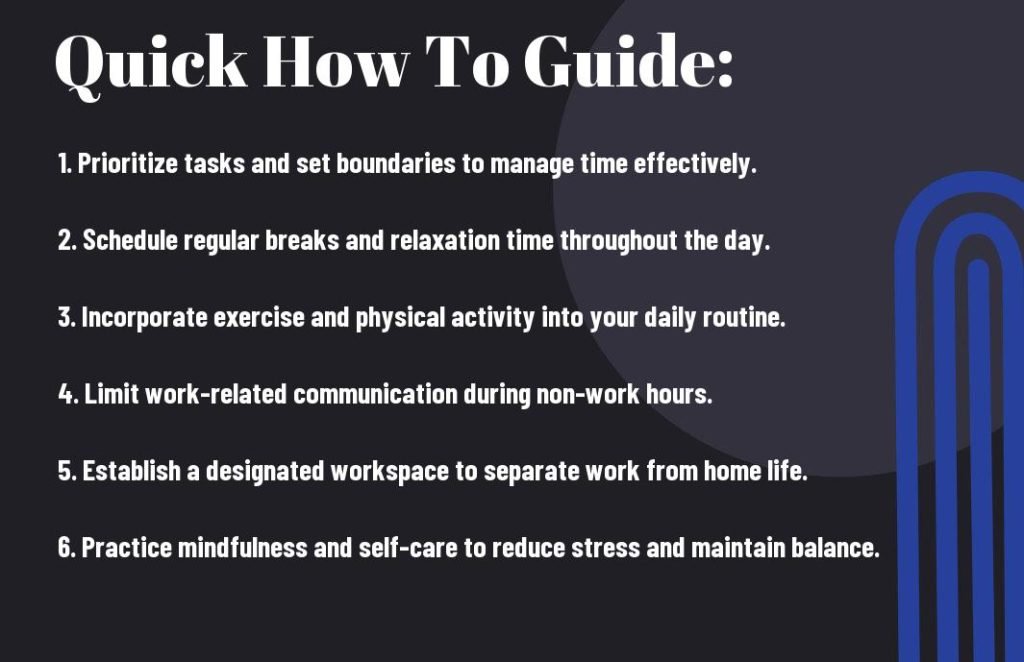
First and foremost, it’s important to prioritize your tasks and manage your time effectively. Time management is key to finding that balance between your professional and personal life, and it can significantly impact your productivity in the long run. Additionally, setting boundaries and learning to say no when necessary is crucial for maintaining a healthy work-life balance. We will explore these strategies and more in the following sections, so stay tuned for valuable insights on achieving a harmonious equilibrium between work and life.
Key Takeaways:
- Prioritize time management: Set boundaries for work and personal time, prioritize tasks, and limit distractions to optimize productivity.
- Establish a routine: Create a daily schedule that includes designated work hours, breaks, and time for personal activities to achieve balance and maintain overall well-being.
- Communicate openly: Clearly communicate with your employer, colleagues, and loved ones about your work-life balance needs, and be adaptable and open to negotiating solutions that work for everyone involved.
Assessing Your Current Situation
Some of the key factors in maintaining a healthy work-life balance include evaluating your current situation to understand the demands on your time. By assessing your workload and personal commitments, you can gain a clearer picture of what adjustments may be necessary to achieve a balance that allows you to be productive in both your professional and personal life.
Evaluating Your Workload
When it comes to evaluating your workload, it’s important to consider the volume and complexity of the tasks you are responsible for. Take note of any deadlines, upcoming projects, and the level of effort required for each task. Be mindful of any overcommitment and the potential for burnout due to an excessive workload. It may be helpful to prioritize tasks and delegate when possible to manage your workload efficiently and reduce the risk of becoming overwhelmed.
Analyzing Your Personal Commitments
When analyzing your personal commitments, consider the time and energy required for activities outside of work. This may include family responsibilities, social engagements, hobbies, or personal development pursuits. Take note of any time-consuming obligations and consider how they impact your overall well-being. It’s essential to evaluate the balance between your professional and personal commitments to prioritize your time effectively and avoid neglecting important aspects of your life.
Factors Influencing Work-Life Balance
Keep workplace culture and expectations, personal priorities and values, and physical and mental health in mind as you navigate your work-life balance. Understanding these factors will help you make the necessary adjustments to achieve an ideal balance in your life. Perceiving how these factors affect you individually will guide you in making the right decisions for yourself.
Workplace Culture and Expectations
The culture of your workplace and the expectations set by your employer can significantly impact your work-life balance. If the company culture promotes long working hours and constant availability, it may be challenging to maintain a healthy balance between work and personal life. Additionally, if your employer has unrealistic expectations or a lack of understanding of personal boundaries, it can create added stress and make it difficult for you to switch off from work.
Personal Priorities and Values
Your personal priorities and values play a crucial role in determining your work-life balance. It’s important to understand what matters most to you and align your work and personal life accordingly. If family, health, or hobbies are top priorities for you, it’s essential to set boundaries and create a schedule that allows you to prioritize these aspects of your life. Understanding what brings you fulfillment and happiness will help you make decisions that support your overall well-being.
Physical and Mental Health
Your physical and mental health are paramount when it comes to maintaining a healthy work-life balance. Neglecting your well-being can have detrimental effects on both your personal and professional life. Chronic stress, fatigue, and burnout can result from an imbalance, leading to decreased productivity and overall satisfaction. It’s crucial to prioritize self-care, including regular exercise, adequate sleep, and relaxation, to ensure that you can perform at your best in all areas of your life.
How-To Establish Boundaries
For many people, establishing boundaries in the workplace can be a challenging task. However, it’s essential for maintaining a healthy work-life balance. Setting boundaries means being clear about what you can and cannot do, and what you will and will not accept. It’s about creating a clear line between your work life and personal life, and sticking to it.
Tips for Communicating with Colleagues and Superiors
When it comes to communicating with your colleagues and superiors, it’s important to be clear and assertive about your boundaries. Be direct and polite when communicating your limits and be firm in sticking to them. If you find yourself in a situation where your boundaries are being challenged, take a deep breath and calmly restate your limits. Remember to use positive language and focus on finding solutions that work for both parties. Sometimes, it may be necessary to involve a third party, such as a manager or HR, to help mediate the situation.
- Be clear and assertive about your boundaries
- Use positive language when communicating
- Involve a third party, such as a manager or HR, when necessary
Knowing when to stand your ground and when to be flexible is key to maintaining your boundaries and ensuring a healthy work-life balance. Remember, it’s perfectly acceptable to prioritize your well-being and happiness.
Setting Realistic Goals and Expectations
Setting realistic goals and expectations for yourself is crucial for maintaining a healthy work-life balance. It’s important to prioritize your tasks and set boundaries around your work hours. Be realistic about what you can accomplish in a day and learn to say no when necessary. By setting realistic goals, you can prevent burnout and maintain a healthy balance between work and personal life.
Remember, it’s okay to take a break and ask for support when needed. By setting realistic expectations for yourself and others, you can reduce stress and increase overall productivity.
Time Management Strategies for Better Productivity
Your ability to manage your time effectively is crucial to maintaining a healthy work-life balance while still being productive. Time management strategies can help you stay organized, focused, and on track to meet your goals.
Prioritizing Your Tasks
One of the most important time management strategies for productivity is prioritizing your tasks. Evaluate your to-do list and identify the most critical tasks. Focus on completing those tasks first before moving on to less urgent or important ones. This approach will help ensure that you allocate your time to the most pressing matters, making you more productive and preventing last-minute rushes to meet deadlines.
The Pomodoro Technique and Other Productivity Methods
Another effective time management strategy is to use the Pomodoro Technique or other similar productivity methods. The Pomodoro Technique involves working for a set period, typically 25 minutes, and then taking a short break. This method can help you maintain focus and avoid burnout. Other productivity methods, such as time blocking or task batching, can also help you manage your time more efficiently and improve your productivity.
Leveraging Technology for Efficiency
Technology can be a powerful tool for improving productivity and time management. Use calendar and scheduling apps to keep track of appointments and deadlines, and set reminders to stay on top of your responsibilities. Project management software can help you organize tasks, collaborate with team members, and track progress on projects. Consider using time-tracking tools to analyze how you spend your time, identify areas for improvement, and make adjustments to your schedule for better efficiency.
Self-Care Practices and Their Role in Productivity
Unlike what many people believe, prioritizing self-care practices is not a luxury, but a necessity for maintaining a healthy work-life balance while still being productive. Taking care of your physical, mental, and emotional well-being is crucial for managing stress, increasing energy levels, and enhancing your overall productivity.
The Benefits of Regular Exercise
Regular exercise plays a vital role in maintaining a healthy work-life balance and optimizing productivity. When you incorporate physical activity into your routine, you not only improve your physical health but also enhance your mental well-being. Physical exercise helps reduce stress and anxiety, boost your mood, and increase your energy levels. By making time for regular exercise, you can improve your focus, concentration, and overall productivity. It’s recommended to engage in at least 30 minutes of moderate-intensity exercise most days of the week to experience the full benefits.
Mindfulness and Stress Reduction Techniques
Practicing mindfulness and stress reduction techniques can significantly impact your ability to maintain a healthy work-life balance. By incorporating practices such as meditation, deep breathing, or yoga into your daily routine, you can reduce stress, improve mental clarity, and enhance your overall well-being. Managing stress effectively is key to being productive and maintaining balance in your personal and professional life. Taking just a few minutes each day to practice mindfulness can make a significant difference in how you approach work and handle daily challenges.
Nurturing Social and Family Relationships
Investing in your social and family relationships is an essential part of maintaining a healthy work-life balance and sustaining productivity. Spending quality time with loved ones and engaging in social activities not only provides emotional support but also helps you recharge and rejuvenate. Strong social connections can contribute to your overall happiness and reduce feelings of stress and anxiety. Making time for these relationships can help you feel more fulfilled and better equipped to handle the demands of your professional life.
Regular Review and Adjustment
Now that you have established your work-life balance strategy, it’s important to regularly review and make adjustments as needed. Your work and personal life are constantly evolving, so it’s crucial to evaluate whether your current balance is still working for you. Set aside time at regular intervals to reflect on how well you are managing your time and energy, and make any necessary changes to ensure that you are maintaining a healthy balance.
How-To Stay on Track with Your Goals
One way to ensure that you are maintaining a healthy work-life balance is to stay on track with your goals. Set specific, achievable goals for both your work and personal life, and regularly assess your progress. This will help you stay focused and motivated, and prevent you from overcommitting and burning out. By regularly checking in on your goals, you can make sure that you are allocating your time and energy in alignment with your priorities.
When to Make Changes to Your Work-Life Balance Strategy
It’s important to be mindful of when it may be time to make changes to your work-life balance strategy. If you find yourself feeling constantly overwhelmed, stressed, or exhausted, it may be a sign that your current approach is not working for you. Additionally, if there are significant changes in your personal or professional life, such as a new job, a new baby, or a relocation, it may be necessary to reevaluate and adjust your balance to accommodate these changes. Be attentive to your physical and mental well-being, and be proactive in making adjustments as needed to maintain a healthy work-life balance.
Regularly reviewing and making adjustments to your work-life balance strategy is vital for staying productive and maintaining your overall well-being. By staying on track with your goals and recognizing when it’s time to make changes, you can ensure that your work and personal life are in harmony, allowing you to thrive in both areas.
Conclusion
On the whole, maintaining a healthy work-life balance while still being productive requires intentional planning and discipline. It is important to prioritize your time and delegate tasks when necessary to avoid becoming overwhelmed with work. Additionally, setting boundaries and sticking to a regular schedule can help prevent burnout and ensure that you have time for both work and personal activities. Finding ways to relax and recharge outside of work, such as through hobbies or exercise, can also contribute to your overall well-being and productivity.
Remember that it is okay to say no to additional work or commitments if they will infringe upon your personal time. By creating a balance between your professional and personal life, you can improve your overall happiness and job satisfaction while still achieving your goals at work. Ultimately, finding a healthy work-life balance is an ongoing process that requires flexibility and self-awareness, but it is essential for maintaining your overall well-being and productivity in the long run.
FAQ about Work-life Balance and Productivity
How can I maintain a healthy work-life balance while still being productive?

A: The key to maintaining a healthy work-life balance while being productive is to prioritize your tasks, set boundaries, and practice self-care.
What are some tips for prioritizing tasks to maintain a healthy work-life balance?

Prioritize your tasks by identifying your most important and urgent responsibilities, delegating tasks when possible, and learning to say no to non-essential commitments. This will help you focus on what truly matters and avoid feeling overwhelmed.
How can I practice self-care to support a healthy work-life balance?

Self-care is essential for maintaining a healthy work-life balance. Schedule regular breaks, exercise, eat healthily, get enough sleep, and make time for hobbies and activities you enjoy. Taking care of your physical and mental well-being will help you stay focused and energized.