
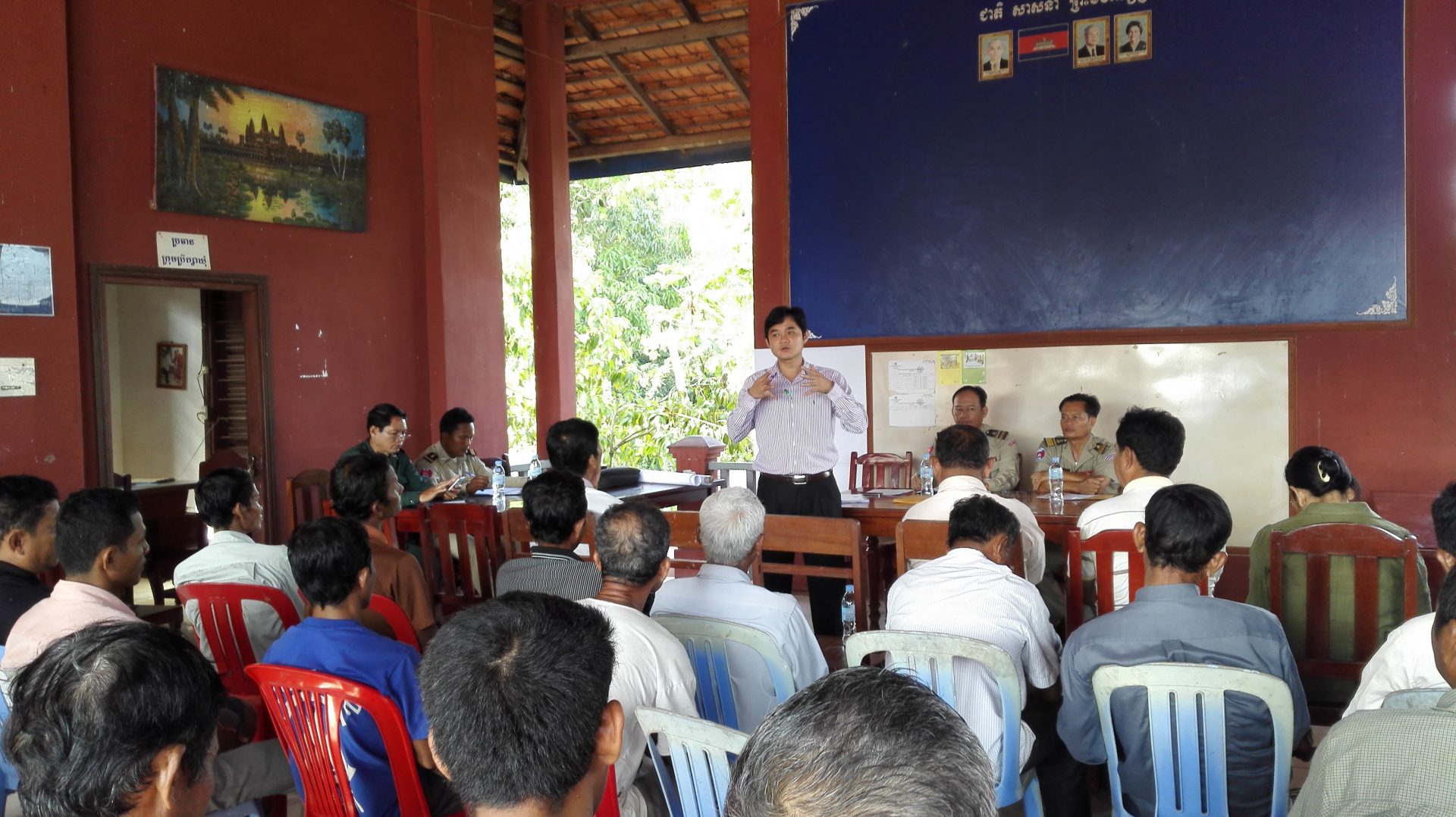
Snapshot
- Role: Thematic Adviser, AECOM
- Program: CCJAP (Cambodia Community Justice Assistance Partnership/Project)
- Stakeholders: Ministry of Justice, courts, prosecutors, police, and local authorities
- Focus areas: alternative sentencing implementation enablement, community policing capacity building, cross-agency coordination
- Deliverables: stakeholder workshops and facilitation, practical guidance materials, coordination support, field-informed recommendations
Best for
- Best for: Digital Adoption and Enablement
Organization disclosure
Organization and program name included. Specific project artifacts and internal stakeholder details are summarized at a high level. Deeper documentation available on request.
Context
CCJAP Phase IV targeted three major outcomes: reducing prison overcrowding, improving community safety, and improving data management. It sought to reduce prison populations through increased use of non-custodial and alternative sentencing, and improve safety through a community policing methodology, working across justice sector agencies including courts and police.
The problem
Policy reform alone does not produce implementation. In practice, adoption stalled when:
- justice actors needed shared understanding of what alternative sentencing meant operationally
- courts and police needed coordination mechanisms to apply alternatives consistently
- communities and local actors needed awareness to reduce misunderstanding of non-custodial measures
- frontline policing needed practical capacity building to apply community policing effectively
Goals
- Support justice-sector stakeholders to operationalize alternative sentencing in real workflows
- Strengthen coordination across justice agencies for implementation (court, police, related actors)
- Build community policing capacity and support community safety implementation approaches
What I did
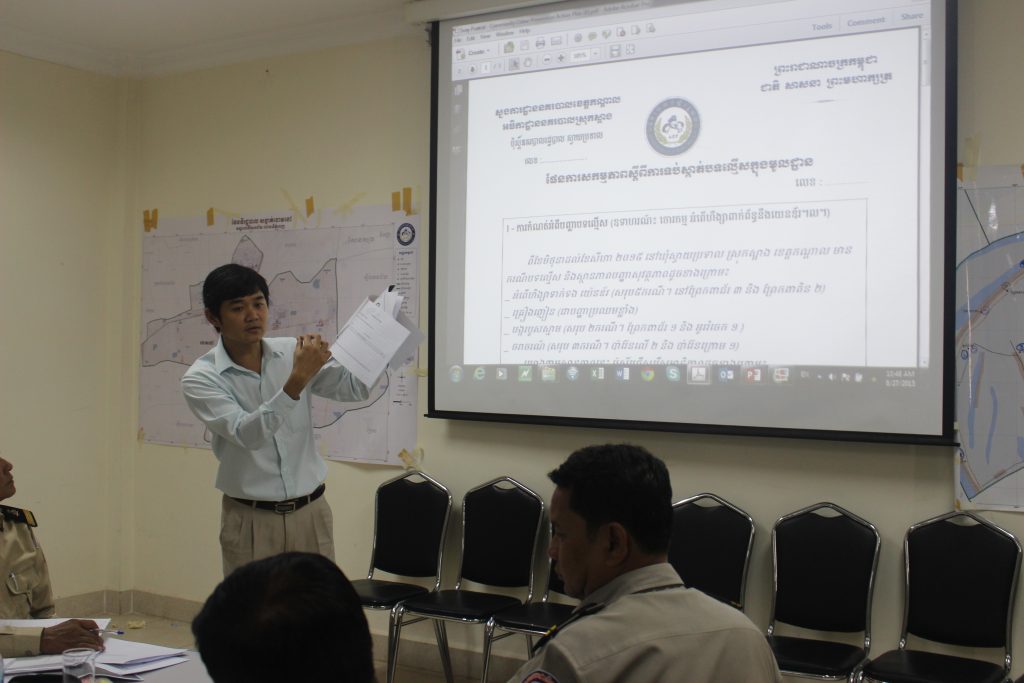
1) Enabled alternative sentencing implementation with justice and police stakeholders
- Worked with court and police stakeholders to surface practical roadblocks to implementing non-custodial measures
- Supported enablement activities to improve shared understanding and readiness across agencies
2) Facilitated cross-agency alignment
- Helped bridge perspectives and coordination needs across justice actors involved in implementation
- Supported workshops and structured sessions designed to improve clarity and execution readiness
3) Supported capacity building for community policing
- Contributed to stakeholder enablement and capacity building aligned to CCJAP’s community policing approach to improving community safety
4) Reinforced through communications and practical materials
- Supported dissemination and reinforcement efforts so stakeholders could apply guidance beyond a single event (information and education materials, workshop reinforcement)
Results (program-level, high level)
- CCJAP supported justice-sector enablement around alternative sentencing, including workshops instructing judges and prosecutors on application of alternative sentencing circulars (program-level activity, not solely attributable to one person).
- The program design explicitly linked reduced prison overcrowding to implementation of non-custodial and alternative sentencing, and linked improved community safety to a community policing methodology.
Proof (public)
- CCJAP completion report describing alternative sentencing roadblock survey involving court officials and police, plus dissemination workshops and IEC materials.
- CCJAP Phase IV independent evaluation describing objectives: alternative sentencing and community policing methodology.
- CCJAP progress report describing justice behavior-change intent and court/police piloting focus.
- CCJAP stakeholder coordination and communications strategy describing police and courts capacity components and the need for regular, consistent multi-channel communication.
Skills demonstrated
Stakeholder enablement, justice sector training and facilitation, cross-agency coordination, implementation support, communications reinforcement, capacity building, continuous improvement mindset.