
Asbestos, once lauded for its fire-resistant properties, has become a notorious hazard due to its severe health risks. Found in countless older buildings, this material can pose significant dangers if disturbed, leading to diseases such as asbestosis, lung cancer, and mesothelioma. Effective asbestos abatement is crucial to ensuring the safety of occupants and workers alike. Whether you are a property owner, a construction professional, or someone concerned about potential asbestos exposure, understanding the essential steps of asbestos abatement can help you navigate this complex process with confidence and diligence. Here are seven critical steps for effective asbestos abatement:
1. Hire a Reputable and Licensed Abatement Contractor
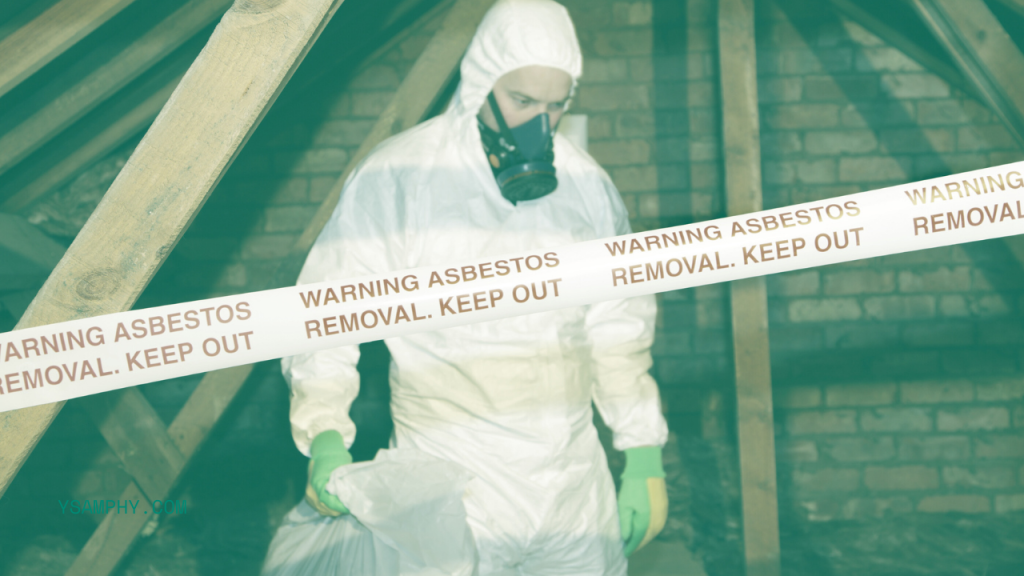
Asbestos removal is a highly specialized task that requires professional expertise and adherence to strict regulations. Choosing a contractor with a proven track record and the necessary certifications ensures that the job will be done correctly and safely. An experienced contractor will have the technical know-how to assess the scope of contamination, implement the appropriate abatement methods, and comply with federal, state, and local regulations.
A licensed contractor follows industry best practices to minimize asbestos exposure risk to occupants and workers. Using specialized equipment and containment procedures, they safely remove and dispose of asbestos-containing materials. Choosing the right contractor is crucial, as mishandling asbestos poses severe health risks. You can engage Asbestos Abatement Services Florida to ensure efficient and safe asbestos removal from your property. A certified contractor will provide a detailed plan for the project, including cost estimates and timelines.

2. Conduct a Thorough Inspection
Before any abatement work can commence, it is essential to conduct a comprehensive inspection of the property to identify all potential asbestos-containing materials (ACMs). This step involves a detailed survey conducted by a certified asbestos inspector who will collect samples from suspect materials. These samples are then analyzed in a laboratory to confirm the presence of asbestos. A meticulous inspection ensures that all areas harboring asbestos are identified, preventing accidental exposure during the abatement process.
The inspection report should outline the location, condition, and type of asbestos present in the building. This information is critical for developing an effective abatement plan tailored to the property’s specific needs. A thorough inspection not only aids in the precise removal of asbestos but also helps document compliance with regulatory requirements, providing peace of mind to property owners and occupants.
3. Develop an Abatement Plan
Developing a comprehensive abatement plan is essential for the effective and safe removal of asbestos-containing materials (ACMs). This plan should be meticulously crafted, taking into account the unique requirements of the property and the extent of asbestos contamination identified during the inspection phase. Here are some vital elements to consider when developing an abatement plan:
- Establishing containment measures to prevent the spread of asbestos fibers during removal
- Detailing the methods and equipment to be used during abatement
- Outlining procedures for proper disposal of ACMs according to local regulations
- Identifying areas where occupants may need to vacate during abatement work
A well-designed plan ensures that asbestos is safely removed without causing any unnecessary disturbance or exposing anyone to potential harm. Before beginning any abatement project, scheduling professional Asbestos Testing NJ ensures accurate identification and assessment of asbestos-containing materials for safe removal.
4. Implement Containment Measures
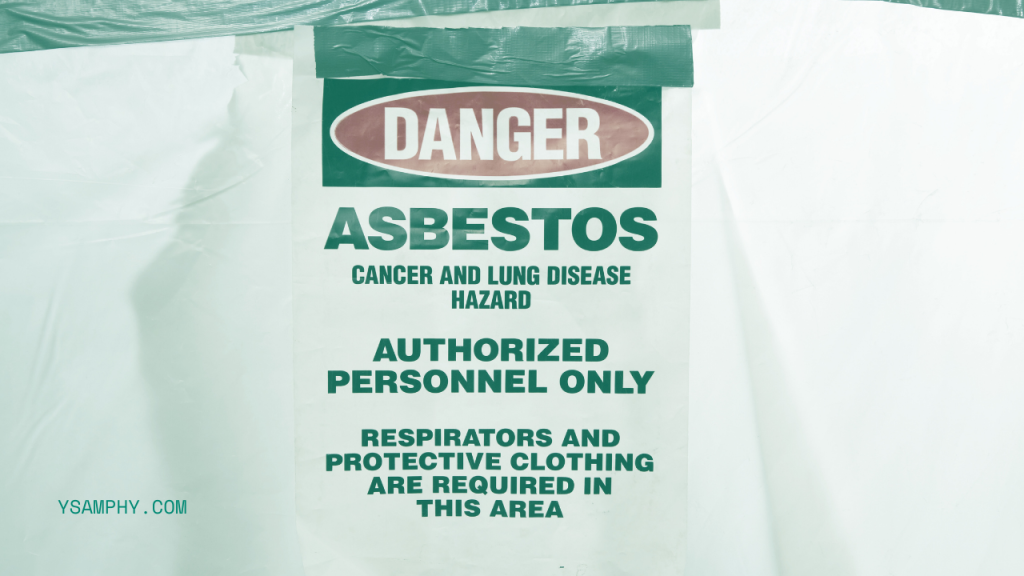
Containment involves isolating the asbestos removal area from the rest of the property using barriers such as plastic sheeting and negative air pressure systems. These methods ensure that airborne asbestos fibers do not migrate to uncontaminated zones, significantly reducing the risk of exposure to occupants and workers. Entry and exit points should be carefully controlled, with decontamination units in place to remove any potential traces of asbestos from personnel and equipment before leaving the containment area.
Proper containment also includes sealing off HVAC systems to prevent asbestos fibers from spreading through air ducts. Regular monitoring of air quality within the containment zone is essential to ensure that asbestos levels remain within safe limits. By rigorously implementing these containment measures, the abatement team can focus on removing and disposing of asbestos-containing materials without compromising the safety of anyone in or around the property.
5. Properly Remove and Dispose of ACMs
Properly removing and disposing of asbestos-containing materials (ACMs) is a critical step in the abatement process, requiring meticulous attention to detail and adherence to safety protocols. Here are the essential procedures for this step:
- Wetting down ACMs to reduce the release of asbestos fibers into the air
- Using specialized tools and techniques for removing large areas of ACMs without causing excessive disturbance
- Double bagging all materials containing asbestos before transporting them to approved disposal sites
- Following specific guidelines for packaging, labeling, and transporting asbestos waste
Following these steps ensures that ACMs are removed and disposed of safely, protecting both the environment and human health. Proper removal and disposal reduce the risk of asbestos exposure and contribute to maintaining a safe and healthy property.
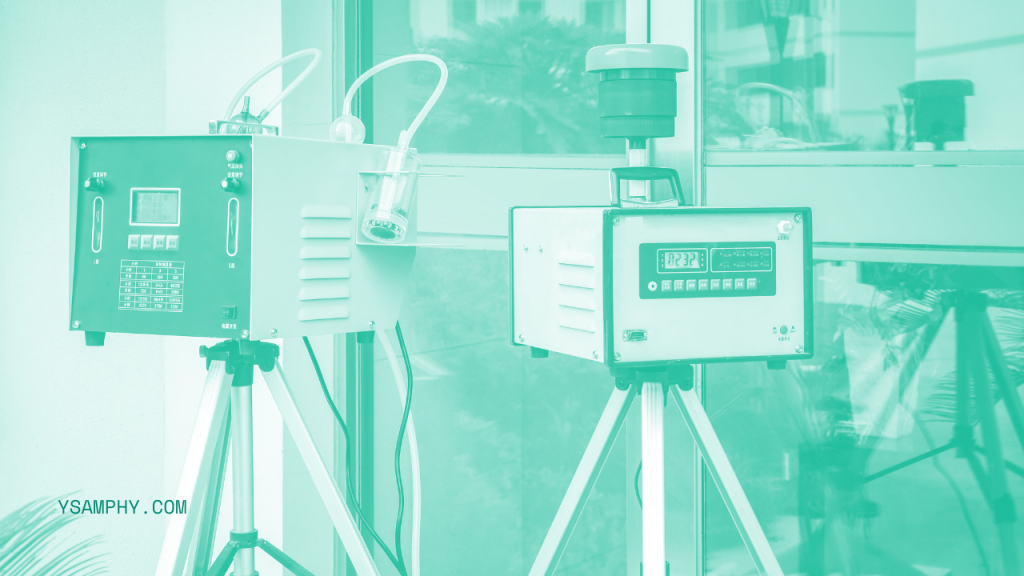
6. Conduct Air Monitoring and Clearance Testing
After the abatement process is complete, air monitoring and clearance testing should be conducted to ensure that all asbestos fibers have been safely removed. Air monitoring involves taking samples of the air both inside and outside the containment area to check for any remaining asbestos particles. If the levels are below the safe limits, then clearance testing can proceed.
Clearance testing involves a thorough visual inspection of the containment area to ensure that all ACMs have been removed, followed by sampling surfaces for any residual asbestos fibers. Once these tests come back clear, a final report can be issued, certifying that the property is now free from asbestos and safe for reoccupation.

7. Document and Keep Records
Documenting the entire asbestos abatement process, including inspection reports, abatement plans, and clearance testing results, is critical for demonstrating compliance with regulations and ensuring the safety of everyone involved. These records should be kept in a secure location and made available to relevant parties upon request.
Regular inspections are crucial to promptly identify and address any newly discovered ACMs before they become hazardous. Maintaining accurate records enables property owners to stay vigilant about potential asbestos risks and take necessary precautions to ensure a safe environment.
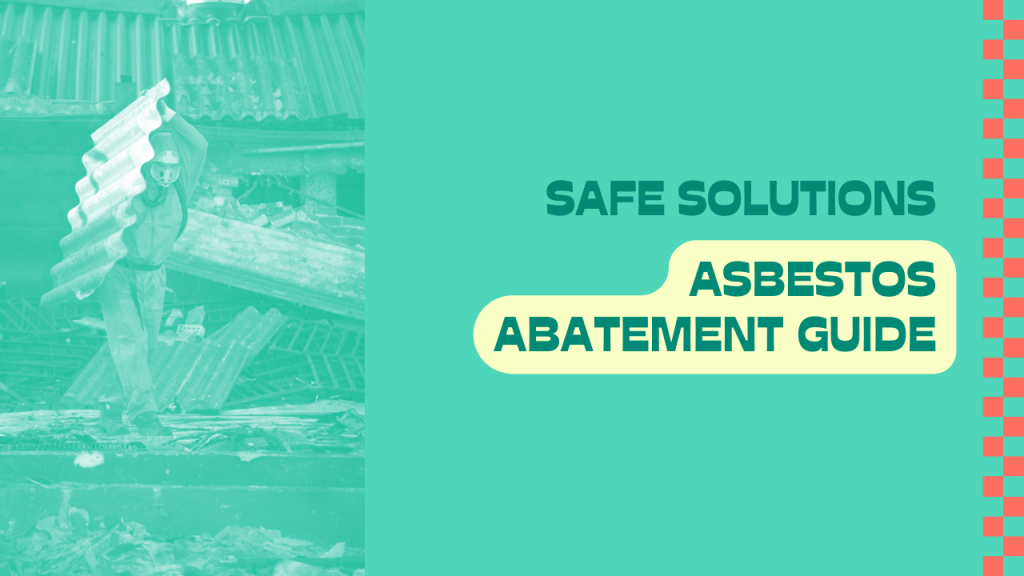
Effective asbestos abatement is a highly technical, regulated process that requires professional expertise, specialized equipment, and strict safety protocols. By following the steps in this guide, you can safely remove asbestos from your property and ensure a healthy environment for all occupants and workers. Remember, it’s always better to be cautious with asbestos abatement. Engage certified professionals experienced in handling asbestos-containing materials for efficient, effective results.



