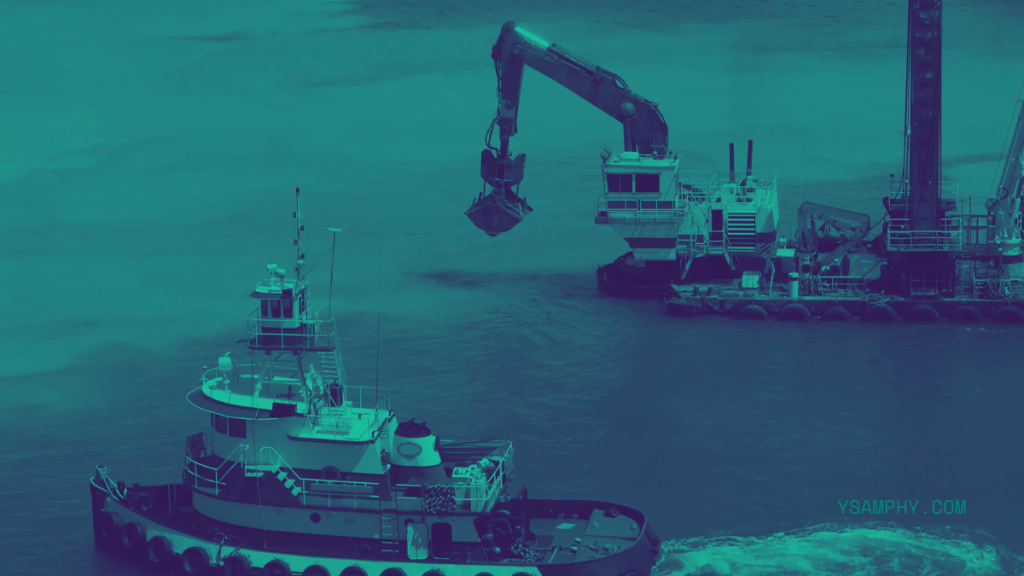
Dredging systems are pivotal for various industries, from mining and construction to environmental management. As these operations often demand reliability, power, and precision, selecting a high-performance dredging system becomes key to success. Top-tier systems offer features that enhance productivity, reduce downtime, and ensure efficient sediment handling. This article explores the standout features of premium dredging systems, illustrating what sets them apart in the competitive market of dredging technology.
1. Advanced Pump Design and Durability
High-performance dredging systems use advanced pump designs that handle abrasive materials and challenging environments. A superior dredging system, like those from EDDYPump.com or similar providers, incorporates pumps specifically crafted to resist wear and tear over extended use. Durability and efficiency in a pump reduce the need for constant replacements, allowing operations to run continuously without costly downtime. When pumps are designed to handle dense slurries, rocks, and heavy sediment, they maximize efficiency and longevity, allowing for more effective dredging operations.
2. High-Volume Material Handling Capacity
Top-tier dredging systems are designed to handle large volumes of material, making them ideal for extensive projects. High-volume capacity allows operators to move more sediment in a shorter period, resulting in greater efficiency on-site. With a larger handling capacity, these systems are suitable for large-scale projects like coastal restoration, harbor maintenance, and deep-sea mining. Systems that balance high capacity with efficient operation enable projects to stay within timelines and budgets, avoiding the need for excessive manpower or multiple units.
3. Precision in Depth and Area Control
Precision control is a key feature in advanced dredging systems, allowing operators to achieve accurate dredging in depth and coverage area. With precise control mechanisms, operators can avoid over-dredging or under-dredging, minimizing environmental impact and enhancing project accuracy. High-performance systems often come with GPS and sonar technology, which provide real-time data on dredging depth and location, allowing operators to make informed adjustments. This level of precision is invaluable for projects with strict regulatory standards and areas sensitive to disturbance.
4. Ease of Maintenance and Repair
A system’s design simplicity can make a significant difference in its operational uptime. Top-tier dredging systems are built to facilitate easy maintenance and quick repairs. Components are strategically placed for easy access, reducing the time required for maintenance tasks. Many of these systems offer modular parts that can be replaced independently, which eliminates the need for extensive dismantling. This ease of maintenance translates into more efficient operations, as crews can swiftly address wear and tear without lengthy interruptions.
5. High Pumping Efficiency and Power Consumption Optimization
Power efficiency is a key consideration for any high-performance dredging system. The best systems feature pumps optimized to deliver maximum efficiency with minimum energy consumption, which reduces operational costs significantly. By balancing pumping power with energy-saving technology, these systems maintain a high rate of material transfer, while keeping fuel or power usage low. Efficient power consumption is especially valuable for projects in remote locations where refueling or recharging is challenging. It also contributes to more environmentally sustainable dredging, as less energy is expended per volume of sediment moved.
6. Versatile Application Capabilities
Top-tier dredging systems are versatile and can be adapted to various applications and environments. They can function in deep-sea operations, river dredging, and swamp dredging with minimal adjustments. This versatility means that operators can use a single system across multiple projects, saving on equipment costs and streamlining logistics. Premium systems are equipped to handle a range of materials, from soft sediments to hard rock, and can be adapted to different dredging methods, such as cutter suction, hopper, and auger dredging. Such adaptability makes these systems invaluable for contractors handling diverse projects with unique material and environmental demands.
7. Enhanced Safety Features and Operator Controls
Safety is integral to any large-scale dredging operation. High-performance dredging systems prioritize safety with advanced operator control features that minimize risk and enhance usability. Many of these systems come with remote-control capabilities, allowing operators to manage the dredging process from a safe distance. Enhanced monitoring systems alert operators to issues such as overheating, high-pressure buildup, or mechanical stress, allowing for immediate adjustments to avoid accidents. By incorporating clear and responsive controls, along with emergency shutoff options, top-tier dredging systems provide a safer work environment and reduce the likelihood of operational hazards.
Selecting a high-performance dredging system involves considering a range of features that contribute to operational efficiency, durability, and safety. Systems that offer robust pump designs, high-volume capacity, precision control, ease of maintenance, optimized power efficiency, versatility, and advanced safety measures ensure that projects can proceed with minimal interruption and maximum output. For industries reliant on dredging, investing in a top-tier system provides long-term benefits, from operational cost savings to enhanced productivity.