Introduction The integration of advanced healthcare IT systems has revolutionized the way healthcare providers manage patient care. From electronic health records (EHRs) to predictive analytics, these systems enable more accurate diagnosis, improved treatment coordination, and better overall patient outcomes. Here is an explanation of how these technologies work, their benefits, and the challenges healthcare facilities face when implementing them.
How Healthcare IT Systems Improve Patient Outcomes
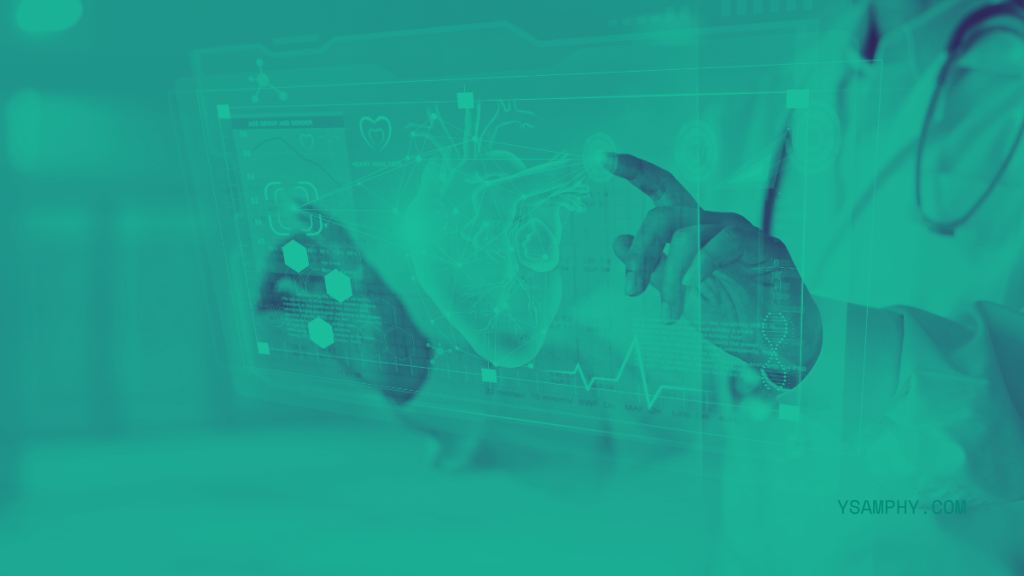
Healthcare IT systems enhance patient outcomes by improving accuracy, efficiency, and coordination in clinical settings. For patient outcomes, HL7 interface integration can streamline the exchange of health information between different systems, ensuring that patient data is consistent, accurate, and readily available to healthcare providers. EHRs also ensure that patient information is readily available across different departments, enabling seamless transitions of care between providers.
- Reduction in Errors: Advanced IT systems minimize the risk of human error, which is especially important in clinical settings. For example, EHRs can check for potential drug interactions when a new medication is prescribed, preventing adverse reactions. Moreover, automating data entry helps ensure accuracy, reducing the chances of misdiagnosis.
- Enhanced Efficiency and Coordination: Effective healthcare delivery relies on seamless coordination among various healthcare providers. IT systems improve communication between different departments and facilities, making it easier to access patient records, lab results, and treatment plans. This is especially valuable in emergencies where timely access to information can be life-saving.
- Improved Patient Engagement: With tools like patient portals and mobile apps, patients have greater access to their health information, including test results, medical history, and appointment schedules. This increased accessibility allows patients to take a more active role in managing their health, which has been shown to lead to better health outcomes.
What Are Healthcare IT Systems and Why Are They Essential?
Healthcare IT systems encompass a range of digital tools designed to streamline healthcare processes. Common examples include EHRs, clinical decision support systems (CDSS), telehealth platforms, and data analytics solutions. By consolidating patient information, automating administrative tasks, and supporting clinical decision-making, these systems allow healthcare providers to offer more efficient and accurate care.
Key Features of Advanced Healthcare IT Systems
- Electronic Health Records (EHRs): EHRs are digital versions of patient paper charts. They store a comprehensive record of a patient’s medical history, medications, test results, and treatment plans. EHRs make it easier for healthcare providers to track patient data over time, identify patients who are due for preventive screenings, and monitor key health indicators.
- Clinical Decision Support Systems (CDSS): CDSS are tools that provide healthcare professionals with knowledge and patient-specific information to enhance decision-making. These systems can alert clinicians to potential drug interactions, suggest treatment alternatives, and provide guidelines based on the latest medical research. CDSS helps in delivering consistent, evidence-based care, reducing the variability in treatment outcomes.
- Telehealth and Remote Monitoring: Telehealth platforms facilitate remote consultations, making healthcare more accessible, especially for patients in rural areas. Remote monitoring devices, meanwhile, allow healthcare providers to track vital signs and other health indicators from a distance, enabling early intervention if issues arise. This technology is particularly beneficial for managing chronic conditions like diabetes or hypertension.
Real-World Examples of Successful Implementation
- Epic and Cerner in Large Hospitals: Many large healthcare organizations use Epic and Cerner systems to manage patient information. These platforms integrate various data points – from lab results to clinical notes – into a single, easily accessible record. Hospitals using these systems have reported reduced readmission rates, improved care coordination, and higher patient satisfaction.
- Telehealth During the COVID-19 Pandemic: The pandemic underscored the importance of telehealth, which became a critical tool for providing care while minimizing the risk of virus transmission. Many healthcare systems expanded their telehealth capabilities, allowing patients to consult with healthcare providers from the safety of their homes. This not only helped maintain continuity of care but also improved patient engagement.
Challenges in Implementing Healthcare IT Systems
While the benefits are clear, integrating healthcare IT systems into existing processes can be challenging. Here are some common issues:
- High Initial Costs: The implementation of advanced IT systems requires significant investment. This includes the cost of the software, hardware, training, and ongoing maintenance. For smaller healthcare facilities, these costs can be prohibitive. However, the long-term benefits, such as reduced readmission rates and improved patient outcomes, often justify the initial expenditure.
- Resistance to Change: Healthcare professionals are often resistant to adopting new technologies, especially if they perceive these tools as adding to their workload. Successful implementation requires proper training and a change management strategy that demonstrates how the new systems will improve daily workflows and patient care.
- Data Privacy and Security: With the increasing digitization of health data, protecting patient information from breaches is a major concern. Healthcare IT systems must comply with strict regulatory standards, such as the Health Insurance Portability and Accountability Act (HIPAA) in the United States, to ensure the privacy and security of patient data.
How to Choose the Right IT System for a Healthcare Facility
Selecting the appropriate IT system for a healthcare facility involves evaluating several factors:
- Scalability: Choose a system that can grow with your healthcare facility. As patient volumes increase, the IT infrastructure should be able to handle the additional load without compromising performance.
- Interoperability: The ability of different systems to communicate and exchange data is crucial. Ensure that the IT system you select can integrate with existing systems, such as laboratory information systems or billing software, to streamline operations.
- User-Friendliness: The best IT systems are those that are intuitive and easy for staff to use. Complicated systems can lead to frustration and errors, undermining the potential benefits of digital transformation. Engaging healthcare professionals in the selection process can help ensure the system meets their needs.
Future Trends in Healthcare IT
- Artificial Intelligence (AI) and Machine Learning (ML): AI and ML are set to play an increasingly significant role in healthcare IT. These technologies can analyze large datasets to predict disease outbreaks, improve diagnostic accuracy, and personalize treatment plans. For example, AI-powered diagnostic tools can quickly identify anomalies in medical imaging, aiding in faster diagnosis and treatment. The best AI medical scribes are also emerging as a transformative tool, automatically generating clinical documentation from patient-provider conversations, thereby reducing administrative burden and allowing clinicians to focus more on patient care.
- Blockchain for Data Security: Blockchain technology has the potential to enhance data security in healthcare IT by creating a decentralized, immutable record of patient data. This could make it easier for healthcare providers to share information securely and accurately across different systems.
- Internet of Medical Things (IoMT): The IoMT involves the use of smart devices to collect real-time health data, which can then be analyzed to monitor patient health continuously. These devices can help detect early signs of health issues, enabling proactive treatment and reducing hospital visits.

Advanced healthcare IT systems are indispensable in the modern medical landscape. They improve patient outcomes by reducing errors, enhancing coordination, and empowering patients to take control of their health. Although challenges such as cost and data security must be addressed, the benefits of these systems far outweigh the drawbacks. By carefully selecting and implementing the right healthcare IT solutions, healthcare facilities can ensure better patient care and improved clinical outcomes.