A potential homebuyer’s first impression of a property can be influenced by a wide variety of factors. A welcoming landscape, freshly painted walls, and modern fixtures often play key roles in enticing interest. However, one of the most important features that may be overlooked is the condition of the roof. A roof that is in disrepair can affect more than just aesthetics – it can influence a buyer’s decision to move forward with a purchase. Whether buyers are aware of it or not, the quality of the roof is a significant indicator of the overall health and longevity of a home. This article will explore how roof quality, particularly the condition of the shingles, impacts a buyer’s decision-making process.

The Importance of Shingles in Roof Condition
When it comes to roof quality, the condition of the shingles plays a critical role. Shingles are the first line of defense against weather, and their integrity can signal the overall quality of a roof. Buyers will often focus on visible signs of damage or wear, as it’s the most accessible indicator of the roof’s health. A roof that is well-maintained with evenly aligned shingles will instill confidence in potential buyers, whereas damage like curling, missing, or cracked shingles may suggest the need for costly repairs or replacement. Even subtle issues, like shingles curling, can be a red flag for home buyers. Not only does this indicate potential water infiltration, but it also signals the age of the roof and the likelihood of future repairs.
The Role of Roof Age and Maintenance in Buyer Decisions
A key consideration for many homebuyers is the age of the roof. Roofs typically have a lifespan of 20 to 30 years, depending on materials and maintenance. Older roofs are often a cause for concern, especially if the roof has not been adequately maintained. Homebuyers may be wary of purchasing a property with a roof approaching the end of its lifespan, as it could mean they will soon face the financial burden of replacement. A well-maintained roof can ease this concern, signaling to buyers that the home has been cared for and that there may be fewer immediate expenses to worry about. Regular maintenance, including the timely replacement of worn shingles and repairs to small leaks, is an investment that increases the roof’s longevity and buyer appeal.
Energy Efficiency and Roof Quality
The condition of a roof doesn’t just impact the immediate protection of a home—it can also influence its energy efficiency. A well-constructed and properly maintained roof can help regulate the interior temperature of a house by preventing drafts and heat loss. This is particularly relevant for buyers who are focused on reducing long-term energy costs. Roofs that feature advanced materials like reflective shingles or proper insulation can help reduce cooling and heating costs. As buyers become more eco-conscious, they may prioritize energy-efficient homes with well-maintained roofs. A roof in poor condition may cause air leaks, resulting in inefficient energy use, which could deter potential buyers or lead to lower offers.
The Aesthetic Appeal of Roof Quality
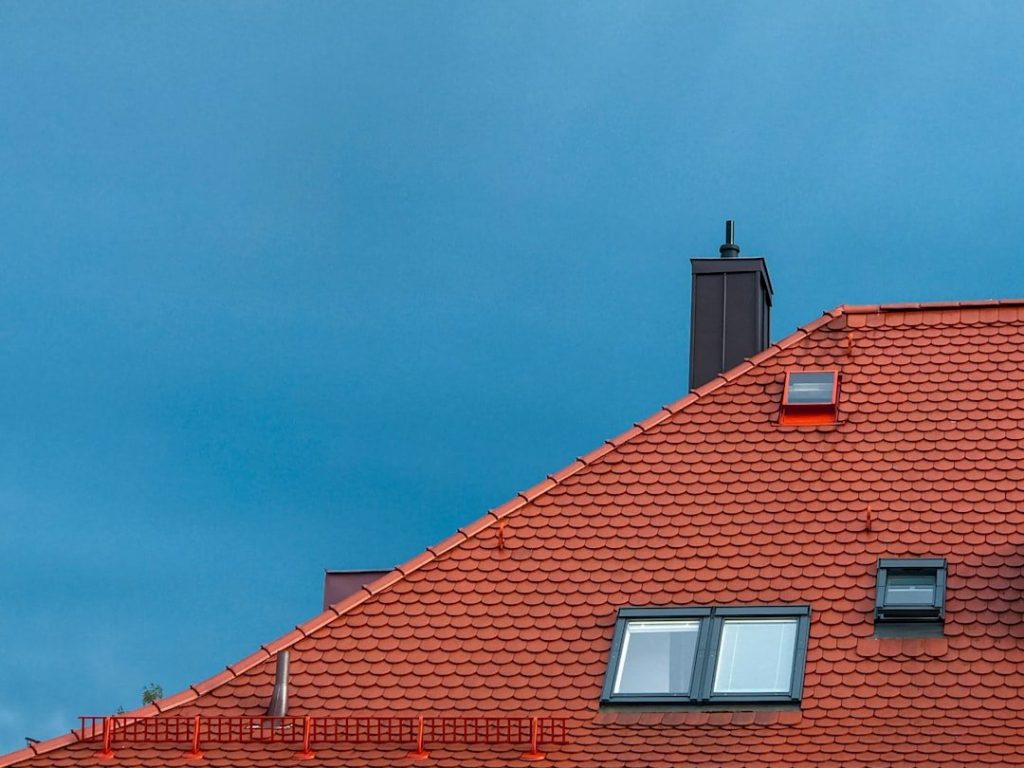
A roof’s visual impact is undeniable in the home-buying process. Just as a fresh coat of paint can make a house look more inviting, a well-maintained roof enhances the overall curb appeal. The roof is a central feature that can set the tone for the entire property. Buyers may be drawn to a home with a newer, stylish roof that complements the architecture, whereas a roof in disrepair can make a home look neglected. Missing or broken shingles, stains, and discoloration are signs of a roof that has not been properly cared for, potentially giving the impression that the house may have other hidden maintenance issues. A good roof is, therefore, a reflection of the home’s overall condition and appeal, which can directly influence buyer interest.
Inspection and Roof Quality: The Dealbreaker
Notwithstanding that a roof appears to be in good condition, homebuyers will often insist on a professional inspection before committing to a purchase. Roofs that show signs of deterioration, such as damaged or curling shingles, will likely be flagged by inspectors as areas of concern. An inspection report that highlights significant roof issues could lead to price negotiations or, in some cases, cause a buyer to walk away altogether. Roof replacement can be a significant investment, often costing thousands of dollars, and many buyers may be unwilling to take on that burden. The perceived cost and hassle of roof repairs can make or break a deal, making roof quality one of the most important aspects to address when selling a home.
Financial Implications of Roof Quality for Buyers
The state of the roof can also impact the financial negotiations in a real estate transaction. Homebuyers are often looking to make the most of their budget, and any unexpected costs—like a roof replacement—can disrupt their financial plans. If a roof is in disrepair or shows signs of age, buyers may request that the seller reduce the price of the home to account for the potential cost of repairs. In some cases, buyers may ask the seller to handle roof repairs before completing the sale. In either scenario, the condition of the roof directly impacts the buyer’s financial outlook. Buyers may be more inclined to invest in a property with a newer or well-maintained roof because it reduces the risk of unexpected expenses.
The quality of a home’s roof can have a profound effect on its appeal to potential buyers. While factors like curb appeal, landscaping, and interior design are important, the roof is often the deciding factor in whether or not a buyer proceeds with the purchase. Buyers recognize the importance of a strong, well-maintained roof to protect the home and provide peace of mind regarding future expenses. Roof quality can influence a buyer’s decision from both a practical and financial perspective. Homes with roofs that are in good condition are more likely to attract interest and secure a sale at a favorable price, while homes with neglected or aging roofs may face obstacles in the market. Sellers who invest in roof maintenance and repair can expect to see a greater return on investment, creating long-term benefits when it comes to the home-selling process.