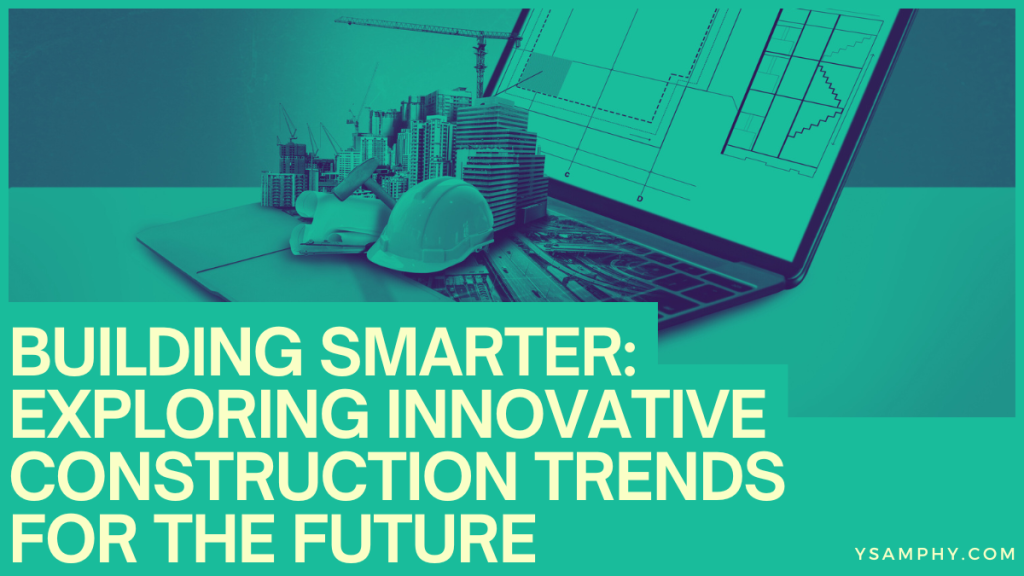
Exploring the cutting edge of construction trends can seem overwhelming, but you’re about to discover how the industry is evolving. Innovative construction technologies are reshaping the future, making buildings more efficient, sustainable, and smarter than ever before.
From 3D printing to modular construction, these advancements not only respond to modern challenges but also revolutionize how you think about the spaces you inhabit.
Sustainability is at the heart of many new construction trends, allowing for structures that reduce environmental impact and promote green living. By embracing smart materials and energy-efficient designs, you’re investing in a future that balances technological progress with ecological responsibility.
Incorporating digital tools and methodologies, such as Building Information Modeling (BIM) and IoT technology, are setting new benchmarks in efficiency and precision. As these advances become mainstream, you will see changes not just in how buildings are constructed, but how they operate and serve their occupants.

Revolutionizing Materials and Methods
In recent years, construction has been transformed by new materials and methods that enhance sustainability, efficiency, and cost-effectiveness. These innovations are reshaping the future of building.
Developing Sustainable Building Materials
You’re probably aware of the environmental impact of traditional construction materials. New sustainable materials are designed to reduce this impact significantly. Bamboo and hempcrete are gaining attention for their strength, light weight, and rapid renewability.
Recycled materials, like plastic and glass, are being repurposed in new construction projects. Companies like The Bonnot Company are leading the charge in producing advanced machinery for recycling and repurposing these materials, contributing to both environmental sustainability and cost-efficiency in construction.
Prefabrication and Modular Construction
The demand for efficiency and cost savings has pushed prefabrication and modular construction to the forefront. You’re benefiting from off-site construction processes that assemble components in controlled factory environments, which often results in reduced waste and faster build times.
Modular buildings are highly customizable and can be disassembled and relocated, offering flexibility that traditional construction can’t match. This approach minimizes the disruption of construction sites and often leads to substantial financial savings, making it a popular choice in urban development. This is a popular approach to Commercial construction for daycare centers because it allows facilities to expand or adapt quickly as enrolment grows or needs change. The speed of modular construction also means centres can open their doors sooner, generating revenue faster.
3D Printing in Construction
3D printing is revolutionizing how you think about construction. It allows for the rapid production of components using minimal materials, which leads to lower costs and reduced waste. Complex designs that were once considered impossible can now be easily achieved.
Concrete and other materials can be printed in layers to create structures that require fewer resources. The technology is not just limited to small projects; entire houses have been 3D printed, showcasing its potential for tackling housing shortages with impressive speed and efficiency.
Smart Technology Integration
In today’s construction industry, smart technology has become a key player in enhancing efficiency and precision. From the Internet of Things (IoT) to advanced modeling systems and cutting-edge automation, technology is reshaping how projects are designed and executed. These innovations are setting new standards in the field.
The Rise of IoT in Construction
IoT’s influence in construction is transforming traditional methods. It allows various devices, tools, and machinery to connect and communicate over a network. This connectivity enhances data collection and processing.
For example, sensors on equipment can provide real-time updates about machinery health, helping you prevent costly breakdowns. Furthermore, IoT aids in monitoring the environment of a construction site, ensuring safety protocols are met efficiently and consistently.
IoT-enabled wearables offer additional safety by tracking workers’ locations and conditions. This data-driven approach can significantly improve site productivity. Embracing IoT in your projects can lead to more informed decision-making and optimized resource management.
Building Information Modeling (BIM)
Building Information Modeling, or BIM, is a cornerstone in modern construction methods. It involves the creation of detailed 3D models that capture every aspect of a project. These models are instrumental in visualizing complex architectural designs.
BIM allows for seamless collaboration among architects, engineers, and contractors. This collaboration minimizes errors and reduces costs by identifying potential conflicts early in the design phase. Enhanced collaboration can truly benefit your AEC projects.
Platforms like Autodesk Construction Cloud provide integrated solutions to manage these BIM models effectively. BIM’s impact extends to the entire lifecycle of a building, helping optimize maintenance and future renovations.
Automated and Robotic Equipment
Automation in construction is becoming more prevalent, offering increased efficiency and precision. Robotic equipment, such as automated bricklaying machines, metal lathes, and 3D concrete printers, is revolutionizing traditional building techniques.
You might notice improvements in the speed of project completion and accuracy of construction when automation is leveraged. Drones, another example, are used for site surveying and inspection, drastically reducing time and labor costs.
This advanced equipment reduces human error and increases safety on construction sites. Robots can complete repetitive tasks, allowing your workforce to focus on more critical responsibilities. Automation and robotics are essential in pushing the boundaries of what’s possible in construction.
Sustainability and Eco-Friendly Practices
You’re about to explore how the construction industry is transforming with sustainable solutions. Energy efficiency, water conservation, and waste reduction are at the forefront of these eco-friendly advancements.
Energy Efficiency Strategies
Energy efficiency is changing the way buildings are designed and operated. Smart glass, which adjusts its tint based on sunlight, can significantly reduce heating and cooling costs. Another strategy is the use of high-performance insulation materials, such as aerogels, that enhance thermal retention in buildings.
Integrating renewable energy sources like solar panels or wind turbines on-site can supply sustainable power, decreasing reliance on fossil fuels. LED lighting systems throughout structures provide better efficiency and longevity compared to traditional solutions.
You may also consider investing in smart energy management systems that optimize energy use, reducing waste and lowering bills.
Water Conservation Techniques
Water scarcity makes conservation practices more crucial than ever. Implementing rainwater harvesting systems allows you to collect and reuse water for non-potable applications like irrigation and toilet flushing. Low-flow fixtures in bathrooms and kitchens help minimize water use without sacrificing performance.
Greywater recycling systems can treat and reuse water from sinks and showers for landscaping, cutting down fresh water consumption. For larger projects, using xeriscaping techniques — landscaping that reduces or eliminates the need for irrigation — conserves water and requires less maintenance.
Waste Reduction Initiatives
Construction waste makes up a large part of landfill deposits. To counter this, integrating design strategies like modular construction can greatly decrease waste by using prefabricated modules, optimizing material usage. Implementing a robust on-site recycling program ensures materials such as concrete, wood, and metal don’t end up in landfills.
Adopting a circular economy approach involves choosing materials that are renewable, easily recyclable, or have a long lifespan. Encouraging the reuse of materials in new projects lessens the need for extracting new resources. Training workers on efficient waste management practices further ensures that waste is minimized throughout the construction process.
Conclusion
The construction industry is undergoing a transformative shift driven by innovative trends that prioritize sustainability, efficiency, and smart technology integration. From 3D printing and modular construction to the rise of IoT and Building Information Modeling (BIM), these advancements are reshaping how buildings are designed, constructed, and operated.
By embracing new materials, automation, and eco-friendly practices, the industry is creating smarter, more sustainable structures that meet modern demands while reducing environmental impact. As these trends continue to evolve, they not only enhance building efficiency but also redefine the future of construction.