Nowadays, branding has become more than creating a logo and color scheme; it’s a strategic approach underpinning a company’s mission, personality, and values. If well-conceptualized, a brand can move beyond awareness to create a tight bond with its audience based on meaningful connections and, thus, of course, loyalty. Effective branding differentiates businesses from their competition and makes them memorable by building trust.
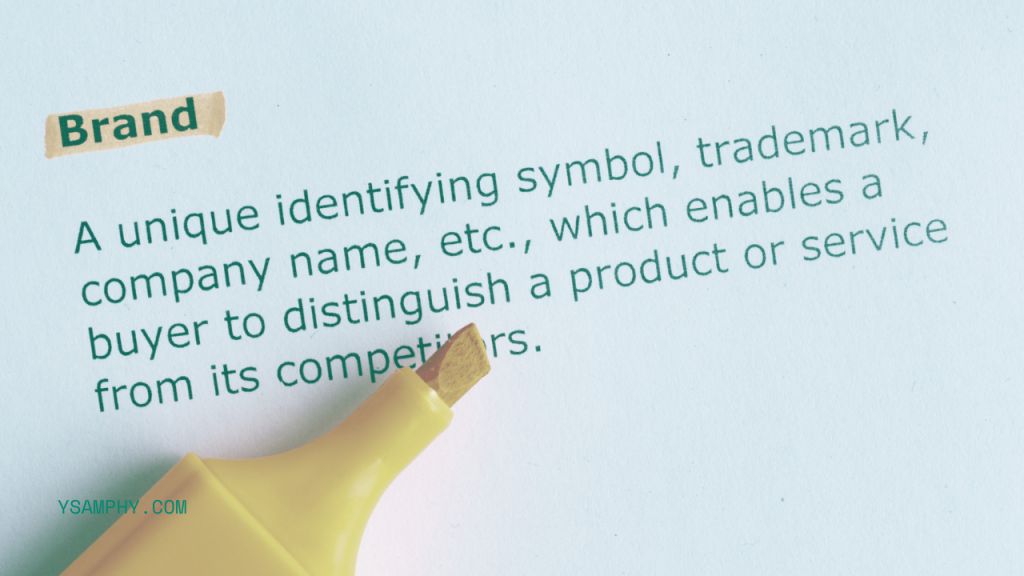
What constitutes a Brand?
Building a resonating brand based on one unique and cohesive identity is representative of the corporation’s purpose. But how precisely does a brand become different from the competition? Some key elements include:
- Authenticity: The modern consumer requires authenticity. They would more likely be affectionate for brands that practice genuine and transparent messaging. This involves the branding message and its consistencies in operation and promise delivery.
- Consistency: Branding requires consistency. The continuity of visuals, messaging, and experiences keeps a brand memorable on all platforms. Every customer touchpoint, whether online or offline, should reinforce the brand’s image.
- Memorability: A really memorable brand has a distinctive identity with an emotional bond with its consumers. Unique visual elements, clear messaging, and memorable experiences are strategic in helping to engrave the brand in customers’ minds.
- Relevance: An effective brand would always adapt to the changing needs and wants of its target segment. In other words, this means listening to feedback, keeping up with market dynamics, and working toward incessant innovation.
Elements of Effective Branding
Effective branding is a lot more than colors and logos; it’s something holistic. The breakdown of important components in branding follows:
- Visual Identity: This will be about logos, typography, color palettes, and design elements that are visually recognizable by the brand.
- Voice and Tone: Voice and tone mean consistent tone, be it formal, playful, or informative; this develops a brand’s personality to which others can relate.
- Storytelling: With a reason, telling is a surefire way to have an edge among brands. A brand that can show a story- whether it is for the reason behind its founding, values, or unique practices- is more personable.
- Customer Experience: A brand is not only what it says about itself but also what customers say about it. Quality, promises delivered, and customer service- these are the things that build reputation.
Why Customization is Key in Branding
Customization allows a brand to establish its presence even in the minute details. Branded packaging, promotional items, or custom signage may serve as long-remembered merchandise that consistently reinforces brand visibility.
For example, food and beverage businesses find custom branded plastic cups a godsend. Besides serving a practical purpose, these cups are moving billboards that can create brand presence wherever they go. Branded cups can be of specific value at events- a physical, stylish way to promote a company while reinforcing its visual identity.
Creating Emotional Bonds Through Branding
Consumers are looking for emotionally connected brands. When a brand and consumers share values or lifestyles, an emotional connection is formed; this is how customers become brand ambassadors. Here is how branding can create such bonds:
- Shared Values: Brands and customers with similar values relate to each other more significantly. Environmentally friendly brands attract customers of similar persuasions.
- Engaging Stories: A good story evokes empathy. Brands that speak of a journey, struggle, or community involvement make it easier for consumers to relate to the reason behind their brand.
- Personalized Experiences: Matching products with individual preferences builds brand loyalty. When customers find their tastes reflected in a brand, the sense of belonging is high, which means so is trust.
Brand Touchpoints: How to Maximize Impact
Brand touchpoints are defined as every instant where customers come in contact with a brand. Each touchpoint is an opportunity to reiterate the brand’s identity and values. Following are some important touchpoints that enable a brand to get itself noticed and be influential:
- Website and Social Media: These very often represent the first point of contact. A good, attention-grabbing, easy-to-navigate website will provide a great foundation. Social media provides an outlet to connect with, entertain, and educate customers, which could build a loyal customer base over time.
- Packaging and Merchandise: The branding of everyday items, like plastic cups or tote bags, is a gentle reminder of the brand. Where physical products are sold, good packaging can add to a quality feel and assure customers that they are satisfied. In more product-specific cases like custom candle boxes, packaging plays an even greater role in reinforcing brand identity and creating a lasting impression.
- Customer Service: Good service can speak volumes about a brand’s values. Responsible and responsive customer service will help establish the brand image and convert one-time buyers into loyal customers.
- In-Store Experience: For brands with a physical presence, this in-store experience should be merely an extension of their digital presence, a real-world manifestation of values and aesthetics specific to the brand through layout, lighting, and decor.
- Community Involvement: Event hosting, participation in social causes, or offering resources within the community are ways for a brand to prove its commitment beyond profit and engender goodwill within a community.
Measuring Brand Success
Monitoring Branding Efforts: The success or failure of branding efforts requires regular evaluation for improvement. Key indicators would include:
- Brand Awareness: This can be done by conducting surveys of the brand in its target market, using social media metrics, and conducting website analytics to understand how well the brand is recognized in its target market.
- Customer Retention and Loyalty: Strong retention rates prove that branding efforts are paying off in the form of loyalty. Customer feedback and reviews add to this.
- Social Media Engagement: The level of interaction in terms of likes, shares, and comments will surely establish how well the brand fits into its audience’s perspective.
- Sales and Conversion Rates: Although branding cannot be credited with all the sales, it might go a long way in ensuring buying decisions, especially for its loyal customers.
Amplifying Your Brand’s Authority By Partnerships and Customization
The icing on the cake for such brands is partnerships that work toward a common purpose. Collaborations between complementary brands or with influencers in the field help increase a brand’s reach by exposing it to new audiences that may not have been tapped before.
It is also a form of branding that enables customization, such as with branded merchandise or custom product designs, which allow brands to create more personal and long-lasting impressions. Take branded items such as custom plastic cups or even some form of apparel- these things are subtle reminders about the existence of certain brands. Such things tend to get integrated into daily lives in which the consumers enhance brand visibility and recognition.

Wrapping Up
In a world of options, branding is the chief differentiator that keeps businesses ahead. It has to create a distinctive brand identity, work on its consistency, and build an emotional quotient. Only then can a brand raise a loyal army of customers who contribute to its long-term success. Customization of digital touchpoints down to branded merchandise, such as plastic cups, accentuates a brand’s reach and creates a complete and long-lasting customer experience. In the future, as branding continues to evolve, those companies willing to invest in a transparent, honest, and memorable brand identity will find themselves at the head of the pack.