In the bustling world of automotive repair, where every tick of the clock counts and every customer’s concern demands attention, the heartbeat of a successful car workshop resonates through the quality of its tools. It’s not just about turning wrenches or scanning computer codes; it’s about possessing a meticulously curated arsenal of instruments that transform mechanical conundrums into solutions, swiftly and effectively. From the seasoned veteran to the fresh-faced apprentice, every mechanic knows that their craft is only as good as the tools they wield.
Operating a successful car workshop demands more than just skilled hands and technical know-how; it requires an unwavering commitment to excellence and an array of tools that are not just reliable but also innovative. It’s a dance between tradition and technology, where the timeless reliability of hand tools meets the cutting-edge precision of diagnostic equipment. It’s a symphony of power tools humming in unison, breathing life into engines and coaxing metal into submission.

Basic Hand Tools
A solid foundation for any car workshop begins with a collection of basic hand tools. Wrenches, sockets, screwdrivers, and pliers are indispensable for tackling a wide range of tasks, from loosening bolts to removing interior panels. Quality is paramount when it comes to hand tools, as they endure heavy use and must withstand high torque without compromising performance. Brands like Beta Tools are renowned for their durability and precision, making them a popular choice among mechanics worldwide. These high-quality hand tools offer reliability and longevity, ensuring that they remain steadfast companions in the workshop for years to come.
Power Tools
While hand tools are essential for precision work, power tools provide the muscle needed to tackle tougher jobs efficiently. Electric drills, impact wrenches, and pneumatic tools streamline tasks such as tire changes, brake repairs, and engine maintenance. Investing in cordless power tools offers the flexibility to work in tight spaces without being tethered to a power outlet. Additionally, cordless technology has advanced significantly in recent years, providing ample power and runtime for prolonged use. Incorporating reliable power tools into the workshop’s arsenal enhances productivity and allows mechanics to work with greater speed and accuracy.
Diagnostic Equipment
In today’s automotive landscape, effective diagnosis is key to identifying and addressing vehicle issues promptly. Diagnostic equipment such as OBD scanners, multimeters, and oscilloscopes enable mechanics to pinpoint problems with precision. These tools interface with the vehicle’s onboard computer systems to retrieve fault codes, monitor sensor readings, and conduct comprehensive electrical tests. Investing in diagnostic software and hardware ensures that the workshop can diagnose modern vehicles accurately and efficiently, saving time and reducing guesswork. Regular updates and training on diagnostic equipment are essential to stay abreast of advancing automotive technology and maintain diagnostic proficiency.
Specialty Tools
While basic hand tools form the backbone of any workshop, certain tasks require specialized tools tailored to specific components or systems. These specialty tools are designed with precision and functionality in mind, allowing mechanics to perform tasks with utmost efficiency and accuracy. From specialized wrenches and pullers to bearing presses and cylinder leak testers, these tools enable mechanics to tackle intricate repairs with confidence. While some specialty tools may have limited use, they are indispensable for certain tasks and can save valuable time and effort when the need arises.
Workshop Equipment
Beyond hand tools and diagnostic gear, a well-equipped car workshop requires a range of equipment to facilitate various operations. Lifts, fluid evacuation systems, and air compressors are among the essential equipment needed to streamline maintenance and repair procedures. Additionally, storage solutions such as tool chests, cabinets, and pegboards help keep the workshop organized and efficient, ensuring that tools are readily accessible when needed. Investing in quality workshop equipment not only enhances productivity but also creates a safe and comfortable working environment for mechanics.
Safety Gear
Last but certainly not least, safety gear is paramount in any car workshop to protect mechanics from potential hazards and ensure a secure working environment. Personal protective equipment (PPE) such as gloves, safety glasses, and hearing protection shield mechanics from injuries and reduce the risk of accidents. Fire extinguishers, first aid kits, and emergency eyewash stations should also be readily available to address unforeseen emergencies. Regular safety training and adherence to best practices further reinforce a culture of safety in the workshop, prioritizing the well-being of mechanics and staff.
Vital Fluids and Components for Automotive Maintenance
Beyond the tangible tools that adorn the walls of the workshop, there lies a realm of consumables and lubricants that are equally essential for maintaining peak performance. From motor oil and brake fluid to grease and coolant, these fluids keep the gears turning smoothly and the engines purring contently. Filters, belts, and hoses also fall into this category, serving as the unsung heroes that ensure vital systems operate flawlessly. Stocking a comprehensive inventory of consumables and lubricants ensures that the workshop is always prepared to tackle routine maintenance tasks and unforeseen repairs with ease, enhancing efficiency and minimizing downtime. For high-performance cleaning solutions tailored specifically for professional workshops, consider exploring Jenny Chem, a trusted provider of automotive cleaning products.
Training and Education
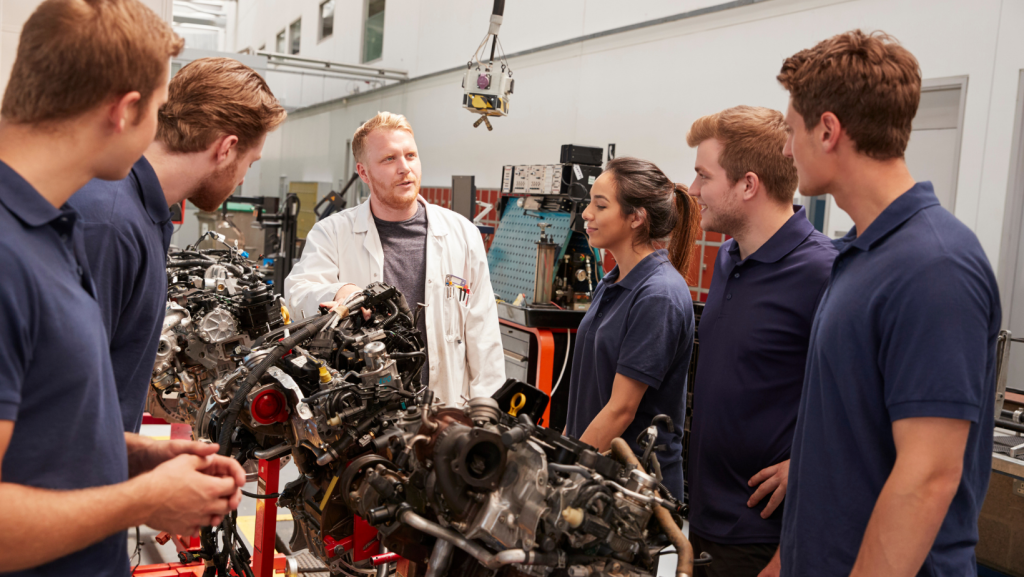
While tools are undeniably vital to the success of a car workshop, they are only as effective as the hands that wield them. That’s where training and education come into play, equipping mechanics with the knowledge and skills needed to harness the full potential of their tools. Ongoing training programs, workshops, and certifications keep mechanics abreast of the latest industry trends, technologies, and best practices. By investing in the professional development of their staff, car workshops can ensure that their team remains at the forefront of automotive repair, delivering top-notch service and staying ahead of the competition.
In conclusion, the tools and equipment outlined in this guide are indispensable for the smooth operation of any car workshop. From basic hand tools to advanced diagnostic equipment and specialty tools, each item plays a vital role in maintaining vehicles and ensuring customer satisfaction. By investing in quality tools, staying abreast of technological advancements, and prioritizing safety, car workshops can enhance productivity, efficiency, and overall service quality. With the right tools at their disposal, mechanics can tackle any automotive challenge with confidence and precision, keeping vehicles running smoothly and safely on the road.