A well-designed material handling system plays a critical role in the efficiency and scalability of any business. Whether in manufacturing, warehousing, or distribution, the way materials move through operations affects productivity, costs, and overall business growth. Developing a system that supports expansion requires strategic planning, investment in the right technology, and a continuous improvement mindset. A business that prioritizes efficiency in its material handling processes will be better positioned to scale seamlessly, reduce operational costs, and enhance overall competitiveness. By considering both current needs and future growth, organizations can create a system that remains effective even as demand increases.

Understanding Your Business Needs and Goals
The foundation of an effective material handling system begins with a thorough understanding of current and future business requirements. Analyzing the volume of materials, types of products, and operational workflow helps identify areas that need optimization. Growth projections should also be factored in to ensure that the system can accommodate increased demand without causing bottlenecks. A comprehensive assessment of existing processes, potential expansion plans, and overall business goals allows decision-makers to craft a material handling strategy that aligns with long-term objectives. This step is critical in preventing inefficiencies that could arise from a system that lacks scalability or adaptability.
Scalability is a key consideration. A system that functions well at present but lacks the capacity to handle growth can hinder long-term success. Flexibility in design allows businesses to adapt to evolving requirements, whether that means increasing storage capacity, integrating automation, or enhancing material flow efficiency. Businesses that anticipate growth must ensure their material handling infrastructure is designed to evolve without requiring a complete overhaul. Incorporating adaptable solutions from the outset prevents the need for disruptive modifications in the future.
Optimizing Facility Layout for Efficient Workflow
The physical arrangement of a facility significantly impacts material handling efficiency. A layout that minimizes unnecessary movement reduces time waste, lowers labor costs, and enhances overall productivity. Analyzing the most frequently used routes and optimizing pathways can streamline operations and reduce the risk of delays. Well-structured facilities enable materials to move seamlessly through different stages of production or distribution, ensuring a more efficient operation.
Storage solutions should also be aligned with material flow. Strategic placement of high-demand items closer to processing areas minimizes retrieval times, while designated pathways prevent congestion. Modular designs provide the flexibility to scale operations without requiring major facility overhauls. Businesses that prioritize facility layout improvements benefit from a streamlined workflow, improved employee productivity, and a reduction in handling errors that could lead to costly delays.
Investing in the Right Equipment and Technology
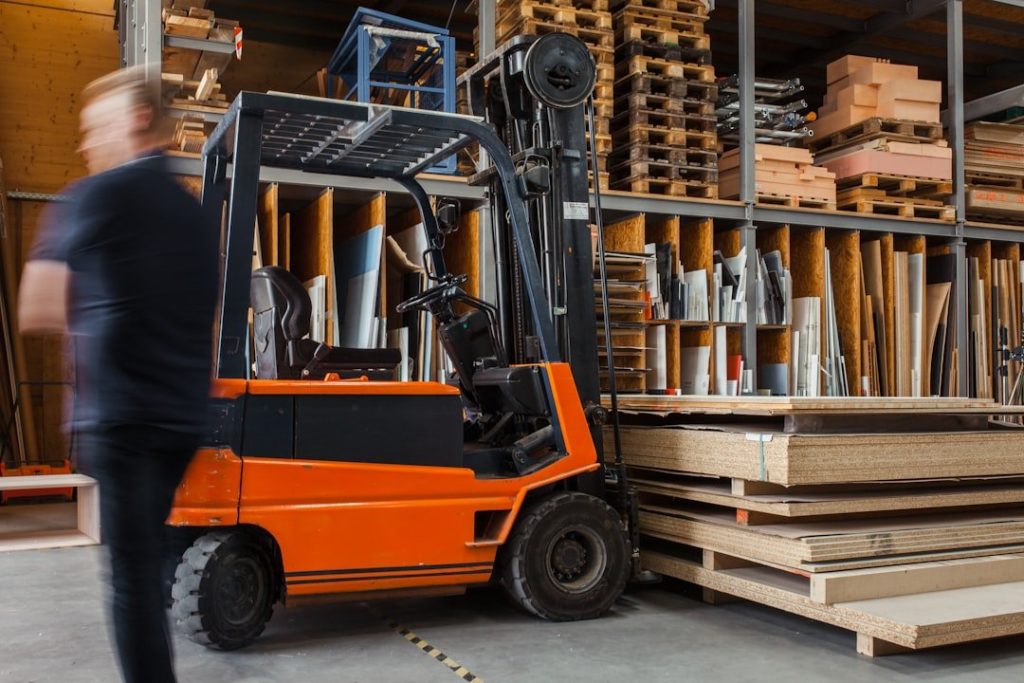
Selecting appropriate material handling equipment ensures that business operations remain efficient and adaptable. Conveyor systems, forklifts, automated guided vehicles (AGVs), and robotic solutions enhance productivity while reducing manual labor dependency. The choice of equipment depends on operational scale, product type, and specific handling requirements. Investing in modern handling technologies enhances workflow efficiency and ensures that businesses can meet increasing demand without compromising quality or speed.
Automation plays a crucial role in improving efficiency. Integrating smart conveyors, automated storage and retrieval systems (AS/RS), and robotic arms accelerates processing times and reduces human error. Emerging technologies such as artificial intelligence and machine learning also contribute to predictive maintenance, ensuring equipment operates at peak efficiency. Businesses that leverage automation not only improve their material handling processes but also gain a competitive advantage by reducing reliance on manual labor and minimizing operational costs over time.
Enhancing Storage and Inventory Management
Efficient storage solutions prevent space constraints from limiting business growth. Vertical storage systems maximize warehouse capacity, while automated inventory management solutions track stock levels in real time. Implementing barcode scanning or RFID technology improves accuracy and minimizes the risk of misplacement. A well-organized inventory system ensures that materials are readily available when needed, reducing the risk of production slowdowns or order fulfillment delays.
Just-in-time inventory strategies reduce excess stock, freeing up space for new product lines and reducing holding costs. A balance between inventory availability and storage efficiency ensures a streamlined supply chain without unnecessary delays. Businesses that integrate advanced inventory tracking technologies benefit from better forecasting capabilities, reducing instances of overstocking or understocking that can negatively impact operations.
Improving Material Handling Processes for Productivity
The efficiency of material movement directly affects operational output. Reducing unnecessary handling steps eliminates inefficiencies and accelerates workflow. Standardized operating procedures, employee training, and ergonomic solutions contribute to a smoother process. A structured approach to material handling ensures that all components of the system function cohesively, eliminating redundancies and optimizing productivity.
Optimized workflow layouts further enhance productivity. Placing assembly and packing stations strategically within the facility ensures that materials move seamlessly through different processing stages. Well-coordinated handoffs between handling systems minimize disruptions and improve overall throughput. A system that prioritizes seamless material flow enhances overall output, reduces operational friction, and allows businesses to meet growing demands more effectively.
Implementing Safety Measures and Compliance Standards
A safe material handling system not only protects employees but also prevents operational disruptions. Clear safety protocols, proper equipment maintenance, and employee training reduce workplace incidents. Compliance with industry regulations ensures that handling procedures meet legal standards and avoid costly penalties. Establishing a culture of safety within an organization enhances workforce morale and productivity, leading to a more secure and efficient work environment.
Automation contributes to workplace safety by minimizing manual lifting and reducing exposure to hazardous conditions. Ergonomically designed workstations, adjustable equipment, and load-balancing solutions further enhance worker well-being while maintaining efficiency. Businesses that prioritize safety measures and regulatory compliance benefit from reduced workplace injuries, lower insurance costs, and a more resilient workforce that can maintain high productivity levels.
Leveraging Data for Continuous Improvement
A data-driven approach enables businesses to refine material handling strategies continuously. Performance metrics such as cycle times, throughput rates, and equipment utilization provide insights into operational efficiency. Regular audits and assessments help identify bottlenecks and areas for improvement. Companies that harness real-time data analytics can proactively adjust their handling processes to eliminate inefficiencies and enhance overall performance.
Predictive analytics anticipate potential disruptions, allowing for proactive solutions. Investing in monitoring systems that collect and analyze data enables businesses to make informed decisions, adjust workflows, and implement improvements that support ongoing growth. Organizations that adopt a data-centric approach to material handling can maintain operational agility, respond to market shifts effectively, and optimize their resource utilization for sustained business growth.
Developing a material handling system that supports business growth requires a combination of strategic planning, technology integration, and process optimization. A flexible, scalable approach ensures that operations can expand without encountering limitations. Investing in automation, refining workflows, and continuously monitoring performance contribute to long-term efficiency and sustainability. By focusing on these key elements, businesses can create a system that not only meets current needs but also lays the foundation for future expansion.