Grading coins can seem tricky, but it’s a crucial skill for online selling. Accurate grading helps set fair prices and build trust with buyers. The key to grading coins is comparing them to professional standards and photos of coins at different grade levels. This is especially important when you’re looking to sell coins online, as potential buyers rely heavily on your descriptions and assessments. By mastering the art of coin grading, you’ll be better equipped to navigate the digital marketplace.
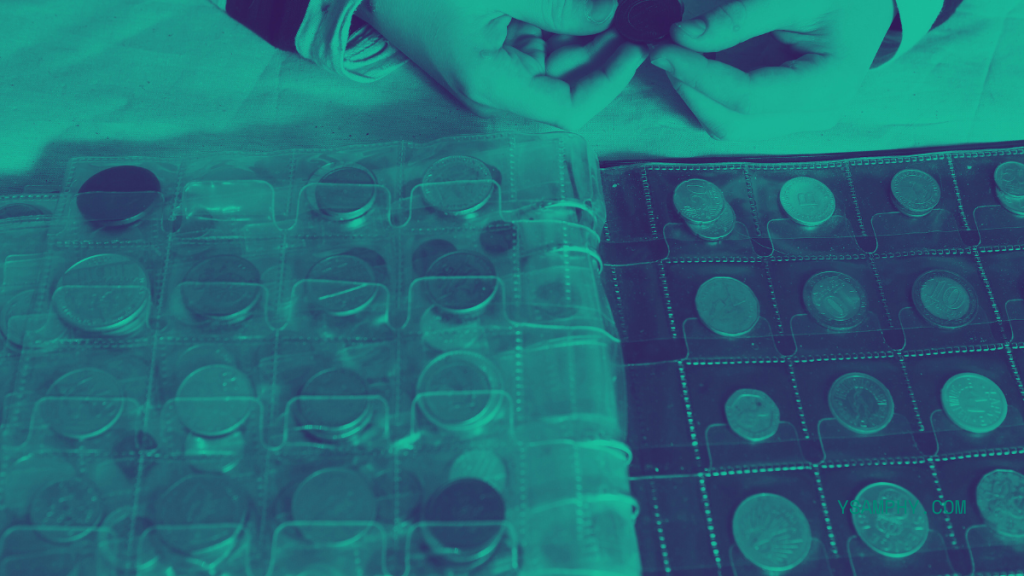
Tools make this process easier. I can match my coin to similar images and get a good idea of its grade. This helps me price my coins correctly when I list them for sale.
For valuable or rare coins, I often use professional grading services. These experts examine coins closely and provide official grades. While it costs money, it can increase a coin’s value and make it easier to sell online.
Key Takeaways
- Accurate grading is essential for setting fair prices and building trust with buyers
- Using online tools and photo comparisons can help determine a coin’s grade
- Professional grading services can increase a coin’s value and sellability
Understanding Coin Grading Fundamentals
Coin grading is key for selling coins online. It helps set fair prices and builds trust with buyers. Let’s explore the basics and the important Sheldon Scale.
The Basics of Coin Grading
Coin grading looks at how well a coin has kept its original look. I check for wear, marks, and overall appeal. The best coins are “uncirculated” – they look brand new.
Grades range from poor to perfect. I use terms like VG-8 for “Very Good” or MS-70 for a flawless coin. Lower grades (F-12, VG-8) show clear wear. Higher grades (AU-50, MS-60) have little to no wear.
Grading takes practice. I look closely at details like the coin’s shine, any scratches, and how clear the design is. Even tiny marks can change a grade.
The Sheldon Scale and Its Significance
The Sheldon Scale is the standard for grading U.S. coins. It uses numbers from 1 to 70. I find it very helpful for describing a coin’s condition clearly.
On this scale, 1 is the worst and 70 is perfect. Here’s a quick breakdown:
- 1-59: Circulated coins (showed signs of use)
- 60-70: Uncirculated coins (no wear from use)
MS-65 is a high grade for an uncirculated coin. It looks great but may have tiny flaws. MS-70 is perfect – no marks at all, even under magnification.
The Sheldon Scale helps me and buyers agree on a coin’s value. It’s widely used and trusted in coin collecting.
Selecting the Appropriate Coin Grading Service

Choosing the right coin grading service is crucial for selling coins online. I’ll cover the top services and explain how to use the PCGS grading scale.
Comparing PCGS and Other Services
PCGS (Professional Coin Grading Service) is a top choice for grading coins. It’s known for strict standards and reliable authentication.
NGC (Numismatic Guaranty Corporation) is another respected option. They offer similar services to PCGS.
ANACS (American Numismatic Association Certification Service) is the oldest grading service. They’re a good budget-friendly choice.
ICG (Independent Coin Graders) is another option to consider. They’re known for quick turnaround times.
I recommend PCGS or NGC for valuable coins. ANACS or ICG can work well for less rare pieces.
Understanding the PCGS Grading Scale
The PCGS grading scale goes from 1 to 70. Higher numbers mean better condition.
Here’s a quick breakdown:
- 1-10: Poor to Good
- 11-59: Fine to About Uncirculated
- 60-70: Mint State (uncirculated)
PCGS uses half-point grades for more precise ratings. For example, MS-65+ is better than MS-65 but not quite MS-66.
Key factors in grading include:
- Wear and tear
- Luster
- Strike quality
- Surface marks
I suggest studying PCGS’s online resources to learn more about their grading criteria.
Maximizing Value with Properly Graded Coins
Grading coins accurately can significantly boost their value when selling online. I’ll share some key tips for preparing coins and marketing them effectively to potential buyers.
Preparing Coins for Grading and Sale
Before grading, I always clean my coins gently with a soft cloth. Harsh cleaning can damage the surface and lower the grade. I examine each coin under good lighting, using a magnifying glass to spot subtle details.
For online selling, I take clear, high-resolution photos of both sides of the coin. Good images help buyers see the condition and grade for themselves. I also weigh each coin and note any unique features or mint marks.
If I have rare or valuable coins, I consider getting them professionally graded by PCGS or NGC. This can increase buyer confidence and potentially raise the selling price.
Marketing Graded Coins to Potential Buyers
When listing coins on eBay or other platforms, I use accurate grades in the title and description. I mention if they’re PCGS-graded coins, as this carries weight with collectors.
I provide detailed information about each coin’s condition, including any flaws or special attributes. For rare coins or numismatic treasures, I highlight their historical significance or scarcity.
I set fair prices based on recent sales of similar coins. Being transparent about grades and condition helps build trust with potential buyers. I’m always ready to answer questions about my coin collection or grading methods.
FAQ: Your Questions Answered
Q1: What tools do I need to grade coins accurately?
A1: To grade coins effectively, you’ll need a few essential tools. A good-quality magnifying glass or loupe (preferably 5x to 10x magnification) is crucial for examining details. Most appraisers use a magnifier that makes each coin between 6x and 8x larger. You’ll also need proper lighting, preferably a desk lamp with adjustable brightness. A soft, lint-free cloth and cotton gloves are important for handling coins without damaging them.
Q2: What is the Sheldon Scale, and why is it important?
A2: The Sheldon Scale is the standard grading system used for coins. It’s based on a scale of 1 to 70, with 70 being a perfect, uncirculated coin. Understanding this scale is crucial because it provides a universal language for describing a coin’s condition, which is essential for online selling where buyers can’t physically examine the coin.
Q3: How do I determine the grade of a coin?
A3: To grade a coin, examine it under good lighting with your magnifier. Look for signs of wear, scratches, or other imperfections. Pay attention to the coin’s luster, strike quality, and any marks or blemishes. Compare your observations to standard grading guides and examples to assign an appropriate grade.
Q4: Should I get my coins professionally graded before selling online?
A4: For valuable or rare coins, professional grading can be beneficial. It provides an unbiased assessment and can increase buyer confidence. However, for common or lower-value coins, self-grading may be sufficient. Consider the potential increase in value versus the cost of professional grading.
Q5: How can I accurately describe a coin’s condition in my online listing?
A5: Be honest and detailed in your description. Mention the numerical grade you’ve assigned based on the Sheldon Scale. Describe any notable features, flaws, or characteristics. Include clear, high-resolution photos from multiple angles to support your grading claims.
Remember, accurate grading is crucial for building trust with buyers and establishing a positive reputation as an online coin seller.