Choosing the right educational path is one of the most significant decisions you will make. Whether you’re considering college, trade school, online learning, or specialized training, the choices you make can impact your career, finances, and personal growth. Here’s how to ensure you’re making informed decisions about your education.

Research Your Options Thoroughly
Don’t settle on the first program or institution you find. Explore all available options, including traditional universities, community colleges, online courses, and trade schools. Look more at https://berry.edu/ and explore the wide range of academic programs and campus opportunities they offer. Look into the curriculum, faculty, facilities, and resources to determine if they align with your needs and expectations.
Define Your Goals
Start by identifying your personal and professional goals. Ask yourself what you want to achieve in the short and long term. Are you aiming for a specific career, developing a skill, or broadening your knowledge? Knowing your goals helps you filter options that align with your aspirations.
Identify Your Career Aspirations
Consider where you see yourself in the next 5, 10, or 20 years. Do you want a specific job, such as becoming a doctor, teacher, or entrepreneur? Understanding the career path you desire allows you to choose an educational route that directly supports those ambitions, whether it’s a specialized degree or vocational training.
Understand Your Learning Preferences
Some people thrive in a structured classroom environment, while others prefer hands-on experience or self-paced learning. Reflect on your preferred learning style and how it aligns with different educational options. For instance, if you’re someone who learns best through practical application, a trade school or apprenticeship might be the right choice.
Evaluate Personal Development Goals
Education isn’t just about career outcomes. Think about the personal growth you want to achieve, such as gaining confidence, developing critical thinking skills, or enhancing your creativity. These soft skills can be just as important as technical knowledge and should be factored into your decision-making process.
Set Realistic Milestones
Break down your larger educational goals into smaller, achievable steps. For example, if your long-term goal is to become a software engineer, set milestones like completing relevant certifications or internships. By setting clear, manageable goals, you ensure steady progress and stay motivated throughout your educational journey.
Consider Accreditation and Reputation
Accreditation ensures that an institution meets established standards of quality. Research the accreditation status of any school or program you’re considering. Additionally, investigate the institution’s reputation, as this can affect the value of your education in the job market.
Analyze Costs and Financial Aid
Education is an investment, so it’s crucial to evaluate the costs. Compare tuition fees, material costs, and living expenses. Look into scholarships, grants, and student loans to ease the financial burden. Understanding the total cost upfront prevents surprises down the road.
Compare Tuition and Fees
Tuition can vary greatly depending on the type of institution, location, and program. Research both public and private schools to find the most affordable options that still meet your educational goals. Consider other fees such as registration, student services, and lab costs. This will help you understand the total financial commitment needed.
Look for Scholarships and Grants
Many organizations offer scholarships based on merit, financial need, or specific fields of study. Investigating opportunities at the local, state, and national levels can provide substantial financial support. Unlike loans, scholarships and grants don’t need to be repaid, making them one of the best ways to reduce your education expenses.
Understand Student Loan Options
If you need to take out loans, research federal and private loan options thoroughly. Federal loans typically offer lower interest rates and more flexible repayment plans. Be sure to understand the terms, interest rates, and repayment schedules to avoid taking on excessive debt.
Budget for Additional Costs
Beyond tuition, there are many other costs to consider. This includes textbooks, supplies, transportation, and housing. Creating a realistic budget that includes all your expenses helps you manage your money better during your education.
Assess Flexibility and Accessibility
Your schedule, location, and learning style matter. If you’re working or have other commitments, online or hybrid programs might be a better fit. Ensure the program you choose offers the flexibility and resources you need to succeed.
Speak to Alumni and Professionals
Reach out to people who have completed the program you’re considering. They can provide insight into the program’s quality, workload, and career outcomes. Talking to experts in your field can help you see if the program will really prepare you for the job market.
- Alumni can provide invaluable insight into the real-world application of your education. By speaking with former students, you can learn how well the program prepared them for their careers.
- Connecting with both alumni and professionals allows you to build your network. Building relationships with people who have had similar educational experiences can provide you with support as you move forward.
- Alumni and professionals can help you make better decisions about your path. Talking to others who have walked the path you’re considering can help you avoid common mistakes or missteps.
Evaluate Long-term Benefits
Look beyond immediate outcomes and consider the long-term benefits of your chosen path. Will it lead to job stability, career advancement, or personal fulfillment? Weigh the potential return on investment to ensure your efforts are worth it.
Career Opportunities and Growth
Consider how the education you choose will open doors in your desired industry. Will it give you access to a wider range of job opportunities, or will it narrow your focus too much? Consider if the qualifications you earn will be needed in the future. Also, think about if the industry will change or grow. This can give you chances to advance as you gain experience.
Job Security and Stability
Certain careers, especially those in healthcare, technology, and education, tend to offer more stability and long-term job security. Research the industries related to your field of study and understand the trends that could affect employment. Think about whether your chosen path will give you a stable career. It should be less affected by economic downturns or automation.
Plan for Continuous Learning
Education doesn’t end with graduation. Choose a path that fosters continuous growth and learning opportunities. Make sure your program gives you access to alumni networks, extra certifications, and ongoing resources. This will help you succeed for life.
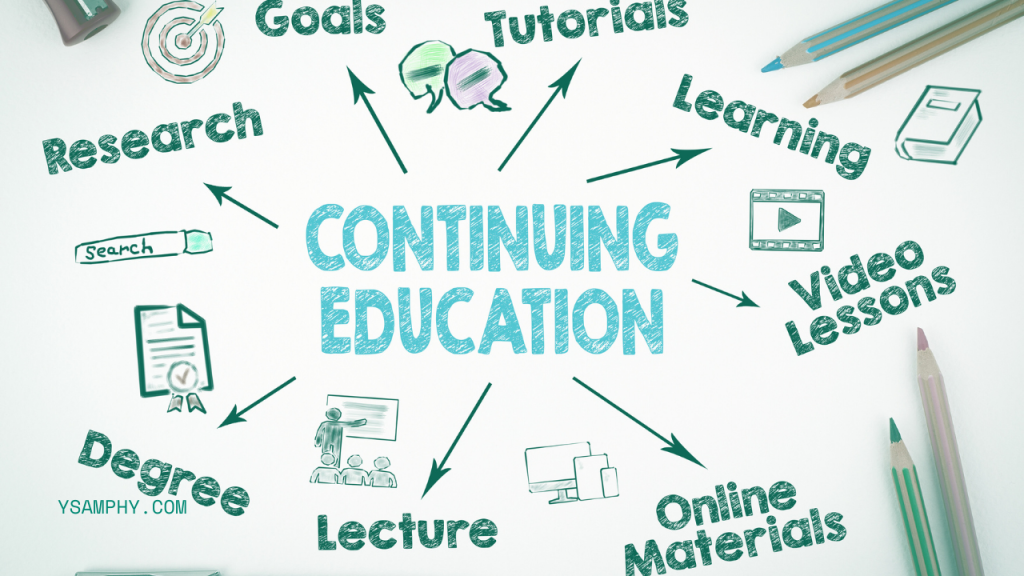
Making informed decisions about your education requires careful planning and research. By clarifying your goals and looking at your options, you can make a better choice. Think about both short-term and long-term benefits. This way, you can pick a path that matches your dreams. Take the time to invest in your future wisely – it’s a decision that will shape your life.