
Reducing your carbon footprint starts at home, and one of the most impactful changes you can make is upgrading to eco-friendly heating solutions. Heating accounts for a significant portion of energy use in most households, making it a key area to target for sustainability. Exploring smarter options for energy procurement can further enhance efficiency and ensure that your heating system is both cost-effective and environmentally friendly.
Here’s how you can make your heating system more efficient and environmentally friendly.
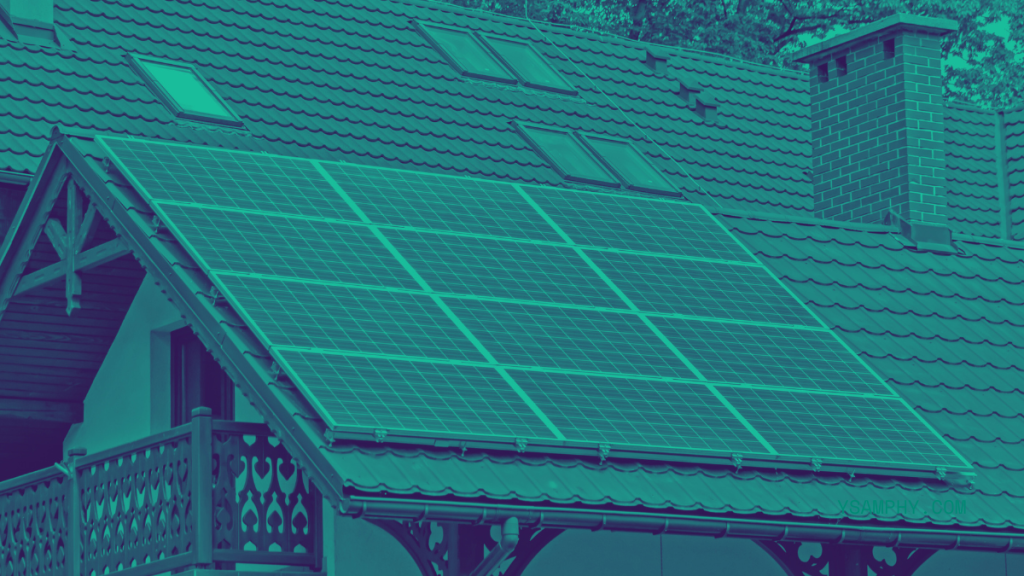
Solar Heating Systems: Harness the Power of the Sun
If you live in a sunny area, solar heating is an excellent eco-friendly option. Solar thermal systems, about which you can learn more at https://innasol.com, use panels to capture the sun’s energy and heat water or air in your home. While the upfront costs can be high, many governments offer tax incentives and rebates to offset the expense.
Over time, these systems pay for themselves through reduced energy bills and minimal maintenance. Installing a solar heating system significantly reduces reliance on non-renewable energy sources, making it a strong contender for those aiming to minimize their carbon footprint.
Advantages of Solar Heating
Solar heating systems are renewable, low-maintenance, and cost-effective over time. They’re especially beneficial in sunny climates where energy capture is maximized.
Proper placement of solar panels and understanding your home’s energy needs are key to successfully implementing solar heating solutions.
Heat Pumps: A Smart, All-Year Solution
Heat pumps are one of the most efficient heating options available today. They work by transferring heat from the air, ground, or water into your home. Air-source heat pumps are the most common and affordable, while ground-source models offer higher efficiency but require more installation effort.
Not only do heat pumps reduce energy consumption, but they also double as cooling systems during warmer months. By switching to a heat pump, you could cut your energy use by up to 50%, which translates to lower carbon emissions and utility bills.
Heat pumps come in various types, including air-source, ground-source, and water-source systems. Understanding these differences helps you choose the most effective option for your home.
Installing a heat pump requires expertise and planning. Ensure you work with qualified professionals to maximize efficiency and avoid potential issues.
Biomass Boilers: A Renewable Heating Option
Biomass boilers use organic materials like wood pellets, chips, or logs to produce heat. Unlike fossil fuels, biomass is renewable and has a much lower carbon footprint. Modern biomass boilers are highly efficient, and some models qualify for renewable energy incentives.
However, you’ll need to ensure a consistent supply of biomass fuel and adequate storage space. If you’re looking for a sustainable way to heat your home while supporting local fuel sources, biomass boilers are worth considering.
Fuel Sourcing and Storage
Sourcing sustainable biomass fuel and having adequate storage is crucial for maintaining an efficient biomass boiler system.
Using biomass not only reduces carbon emissions but also supports local economies and sustainable forestry practices.
Insulation: The Unsung Hero of Efficiency
Even the most eco-friendly heating system won’t perform efficiently if your home isn’t properly insulated. Poor insulation allows heat to escape, forcing your system to work harder and consume more energy.
Upgrading your insulation, whether in your walls, attic, or floors, ensures that the heat stays inside your home where it belongs. Materials like recycled cellulose, sheep’s wool, or spray foam are sustainable insulation options that pair well with green heating systems.
Key Areas to Insulate
Focus on insulating your attic, walls, floors, and windows to minimize heat loss and maximize energy efficiency.
Choose sustainable materials like recycled cellulose or sheep’s wool for an environmentally friendly insulation upgrade.
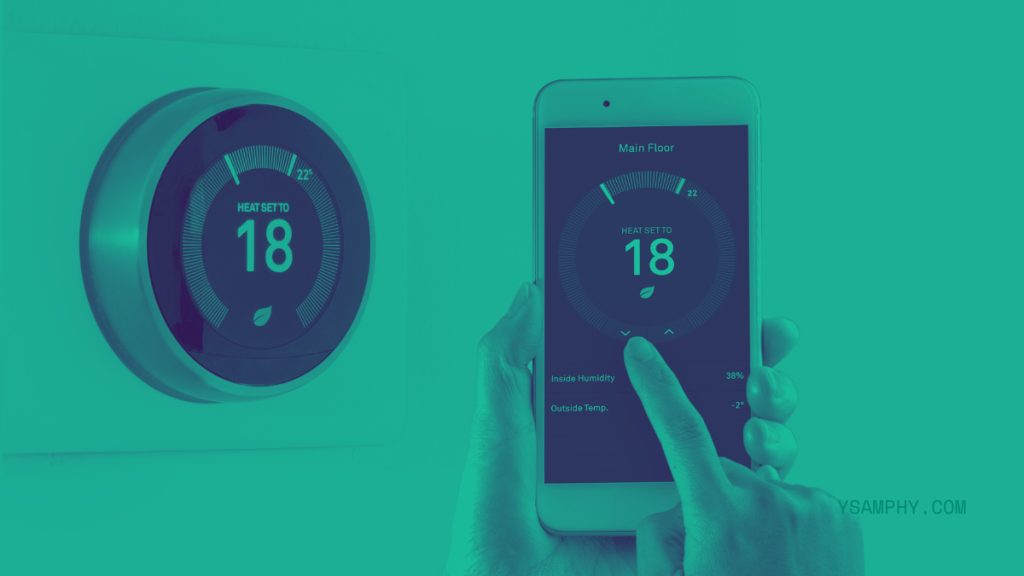
Smart Thermostats: Precision for Energy Savings
A smart thermostat optimizes your heating system’s efficiency by learning your habits and adjusting the temperature accordingly. Unlike traditional thermostats, smart versions can be controlled remotely and provide detailed energy usage reports.
By reducing unnecessary heating, you can cut your energy consumption significantly. Integrating a smart thermostat with an eco-friendly heating system ensures you’re not wasting any of the sustainable energy you’ve invested in.
Features to Look For in Smart Thermostats
Consider features like remote control, learning capabilities, and energy usage tracking when selecting a smart thermostat. Smart thermostats complement eco-friendly heating systems, ensuring maximum efficiency and cost savings.
Regular Maintenance: Keep Your System Efficient
Even the most advanced heating system requires regular maintenance to operate efficiently. Dirty filters, clogged ducts, or malfunctioning components can cause your system to use more energy than necessary. Schedule annual inspections to keep everything running smoothly. A well-maintained system lasts longer and maintains its efficiency, reducing both energy use and replacement costs.
- Replacing filters, cleaning ducts, and checking for leaks are essential maintenance tasks for any heating system.
- Hire experienced technicians to perform regular maintenance and address potential issues before they escalate.
Government Incentives and Financing Options
Many countries offer financial incentives to encourage homeowners to adopt eco-friendly heating systems. These can include tax credits, grants, or low-interest loans. Research the programs available in your area to take full advantage of these opportunities. By leveraging these incentives, you can make the switch to sustainable heating solutions more affordable and reap long-term energy savings.
- Understand the eligibility requirements and application processes for government programs to maximize your benefits.
- Explore financing options like green loans or energy efficiency mortgages to fund your eco-friendly heating upgrades.
Understanding Your Heating Options
Before committing to a new heating solution, you must understand the options available. Traditional heating systems often rely on fossil fuels like natural gas or oil, contributing heavily to greenhouse gas emissions. Eco-friendly alternatives include heat pumps, solar heating systems, and biomass boilers.
Each of the explained systems has unique benefits, and your choice will depend on your home’s location, size, and energy needs. Switching to these systems significantly lowers your environmental impact and, in many cases, your energy costs.
The Environmental Impact of Traditional Heating Systems
Fossil fuel-based heating systems are one of the largest contributors to household carbon emissions. Understanding this impact helps you see the importance of switching to sustainable alternatives.
Factors such as your home’s location, insulation, and budget will influence which eco-friendly heating system is best for you. Conduct a thorough assessment before making your choice.

Reducing your carbon footprint doesn’t have to be overwhelming. By upgrading to eco-friendly heating solutions, insulating your home, and maintaining your system properly, you can make a significant difference. Whether you choose a heat pump, solar heating, or biomass boiler, the benefits extend beyond the environment to include lower energy bills and a more comfortable home. Take action today to create a sustainable future for yourself and the planet.



