Your trade show booth needs to grab visitor focus.
Trade shows resume full operations now with more companies competing for visitors’ attention. With trade shows returning strong you need to design an exhibit that grabs attention and delivers desired outcomes.
Here’s the truth…
Trade show participants with subpar booth designs throw away their show spending because they cannot draw qualified attendees. The correct design choices allow you to build an exhibit that will naturally attract attendees and transform them into potential customers.

Navigate Your Success Path
- Understanding Core Design Fundamentals
- Creating Immersive Brand Experiences
- Maximizing Space and Technology
- Measuring ROI and Performance
- Future-Proofing Your Design
Core Design Fundamentals That Drive Traffic
Your trade show success begins by applying basic booth design principles effectively. A professional exhibition booth designer helps you use space and branding elements correctly to reach your booth objectives.
Research shows trade show and conference planning businesses will generate $22.7 billion in revenue by 2024 thanks to greater investment in creative exhibits. To capture your share of this growing opportunity, focus on these core design elements:
Strategic Layout Planning
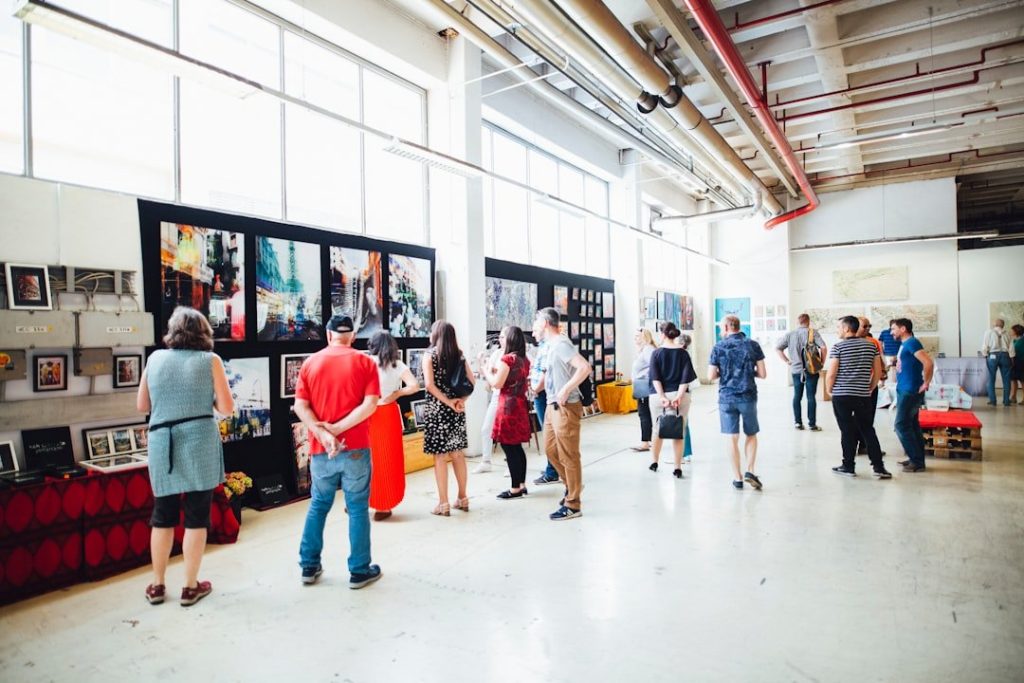
Your booth needs a smart floor plan that shows people the right path to follow. The most effective layouts:
- Create clear traffic patterns that prevent congestion
- Place your main advertising and product displays in areas where people naturally pause their movement.
- Include dedicated spaces for meaningful conversations
- Staff members find it simple to interact with multiple attendees as they move through the space.
Examine how visitors will naturally follow their path through the space. Your path should be easy to follow and lead visitors to important product and message points.
Impactful Visual Hierarchy
Exhibits at trade shows succeed when they arrange elements in a logical order that grabs visitors’ attention and delivers core messages quickly. This includes:
- Bold header signage visible from a distance
- Eye-catching graphics that reinforce your brand
- Strategic product positioning
- Balanced use of color and white space
Your trade show display needs to grab people’s attention right away because they see many other exhibits. Your visual design elements must combine to convey your brand identity and show why visitors should visit you.
Creating an Immersive Brand Experience
The U.S. B2B exhibition sector shows strong recovery in business with the CEIR Index hitting 88.8 in Q3 2024. To stand out in this growing market, focus on creating an immersive brand experience through:
Cohesive Design Language
Your exhibit should be an extension of your brand identity, incorporating:
- Brand colors used strategically throughout the space
- Consistent typography across all signage and materials
- Brand imagery that reinforces your message
Choose building materials that match your brand personality.
Input:
Your space should display materials that show your brand’s unique character. Utilize high-quality materials and finishes to showcase your brand’s commitment to excellence. Additionally, invest in comfortable furnishings and lighting to create an inviting environment for visitors to relax and explore.
Space Optimization and Flow
Maximizing the available space is key to a successful exhibit. Consider the following strategies:
- Strategic placement of exhibition stalls and booths to optimize flow and avoid congestion
- Utilization of space-saving design elements such as modular systems and multi-functional displays
- Careful consideration of the traffic flow within the space to ensure easy navigation and engagement
Materials and Finishes that Reflect Your Brand Personality
Your space should display materials that show your brand’s unique character. Choose finishes and textures that align with your brand identity, whether it’s luxurious and elegant or modern and sleek. Additionally, pay attention to the overall aesthetic of the space to ensure a cohesive and visually appealing experience.
Lighting and Ambience
Lighting plays a crucial role in creating the right ambience
Response:
Your brand identity comes to life through the materials you select.
Interactive Elements
Engage visitors through thoughtfully designed interactive elements:
- Digital displays with touchscreen capabilities
- Product demonstration areas
- Interactive technology integrations
- Hands-on experience zones
Maximizing Space and Technology
Given the limited trade show space you must make every available space effective for your money. Space optimization needs to become a top priority.
Vertical Design Elements
Don’t just think in terms of floor space – use height to your advantage:
- Signage placed high on the walls to attract visitors even from across the hall
- Multi-level displays that maximize limited floor space
- Suspended elements that create visual interest
- Wall-mounted screens and product displays
Smart Display Solutions
Leverage digital technology strategically:
- Interactive touchscreen product catalogs
- Live social media feeds and engagement walls
- Real-time product demonstrations
- Digital wayfinding systems
Data-Driven Design
Use technology to measure and optimize your exhibit’s performance:
- Foot traffic analysis systems
- Heat mapping of visitor movements
- Lead capture and qualification tools
- Real-time engagement metrics
You can use this information to make better booth choices and marketing tactics while showing your team and investors how their money is doing well.
Sustainability in Exhibition Design
The need to reduce environmental impact now drives the design of sustainable trade show booths. Smart choices that benefit the environment can save money and attract people who care about the planet.
Eco-Friendly Materials
Choose materials that minimize environmental impact:
- Recyclable and reusable components
- LED lighting systems
- Low-VOC finishes and materials
- Sustainable fabric graphics
Energy Efficiency
Implement energy-saving design elements:
- Motion-sensor lighting
- Energy-efficient display technology
- Natural light integration where possible
- Smart power management systems
Expert Tips for Success
To maximize your trade show presence, keep these proven best practices in mind:
Pre-Show Planning
Start your design process early:
- Define clear objectives and success metrics
- Research your target audience preferences
Study how people move through your selected venue space. - Plan for multiple configuration options
Staff Integration
Design your booth with your team in mind:
- Create dedicated staff areas
- Include storage solutions
- Plan for comfortable meeting spaces
- Ensure easy access to demonstration areas
Measuring Success
Track these key metrics to evaluate your exhibit’s performance:
- Visitor engagement time
- Lead quality scores
- Social media mentions and engagement
- Post-show conversion rates
- Return on investment calculations
Your success metrics need to reflect what you want to achieve. One exhibit type generates leads but another promotes brand and shows products.
Long-Term ROI Optimization
A properly designed trade show exhibit creates benefits that continue long after the event ends. To maximize long-term returns:
- Document visitor feedback and behavioral patterns
- Analyze post-show engagement metrics over time
- Monitor how customers progress from their first contact to becoming paying customers.
- Calculate cost per lead across multiple shows
- Compare performance metrics between different configurations
- Use your findings to improve your design strategy step by step.
Bringing It All Together
You need to combine design skills with logical methods to create effective trade show exhibits. With the CEIR Index’s Q3 2024 reading of 88.8 showing industry growth businesses need quality booth designs now more than ever. The right design approach will help you:
- Create memorable brand experiences that drive engagement
- Maximize your investment in valuable floor space
- Generate higher quality leads and better ROI
- Stand out in an increasingly competitive landscape
- Build lasting relationships with prospects and customers
Your exhibit becomes customers’ first physical experience with your brand so design it well. Your exhibit design will effectively grab attention when you use essential design principles alongside expert guidance.
Real business growth depends on ongoing refinement of your practices. Studying trade show performance data helps you build a long-term market advantage in this industry. Your exhibit design journey requires constant measurement and updates to find fresh ways to improve your display.
Your trade show results will grow over time through small improvements to your exhibit and visitor engagement methods. Put these tested methods into action now to see your trade show performance improve.