The industrial and business spheres today have a crucial need: deionized water, which has to be crucial for success in various sectors. This article dives deep, exploring the definition, importance, diverse applications across industries, and vital benefits to businesses. It covers crucial procurement, maintenance, and environmental considerations. Here, deionized water takes the center stage, debunking common myths and guiding companies in choosing the best deionization system.
What is Deionized Water?
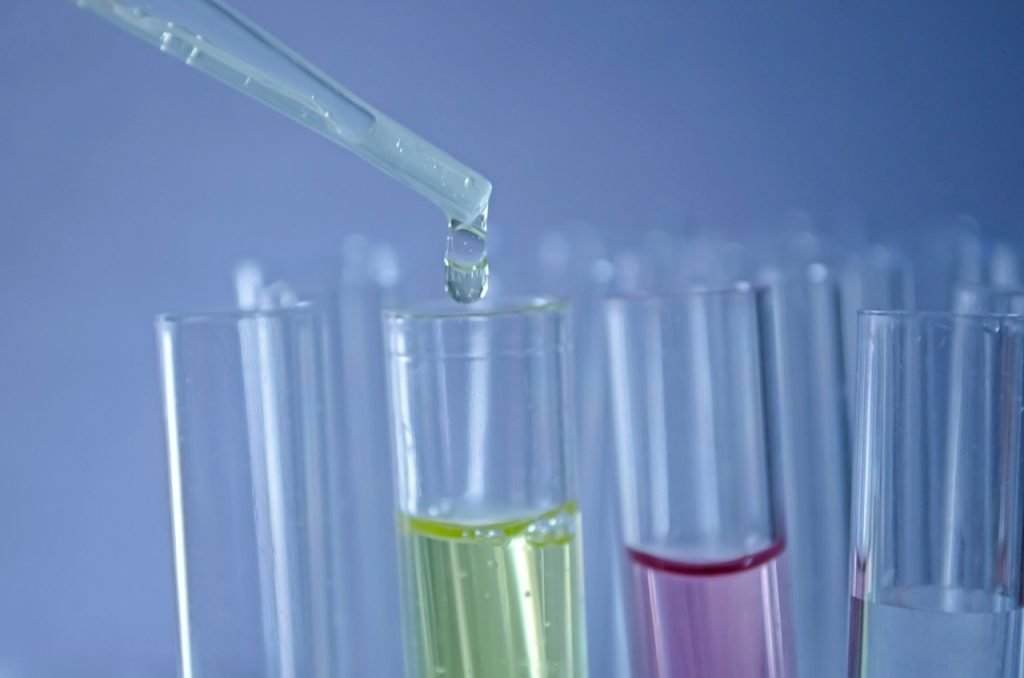
Deionized water undergoes stricter processing than regular tap or distilled sources. Deionization systematically removes ions and impurities, making the water purer than other types. This ensures an uncontaminated, sterile environment for pharmaceutical manufacturing, electronics, and laboratory research. Furthermore, deionized water is a powerful tool, allowing trustworthy, accurate results in critical processes. Without ions and impurities like normal distilled water, it guarantees no contamination that could spoil results or damage product integrity.
Choosing the Right Deionized Water System
Selecting the most appropriate deionized water system must be carried out carefully and thoroughly in every case according to needs, requirements, and standards of your company. Essential factors include required water volume for use, quality standards to maintain, and budgetary limits. You can now check with ve anlage to get system selections designed according to your business’s specific needs, ensuring the chosen system aligns seamlessly with operational demands. Companies can evaluate the pros and cons of varied water purification technologies. For instance, while ion exchange is effective, it requires frequent resin replacement. Reverse osmosis, on the other hand, is efficient, but it is too costly. Mixed bed systems offer high purity but are complex. Understanding this helps businesses make informed choices.
Uses of Deionized Water
Deionized water serves core industrial segments where absolute purity is non-negotiable: pharmaceuticals, electronics, and laboratory work. In such industries, purity, and accuracy are key, and that’s what deionized water offers. When purity can’t be risked, only deionized water will do. Manufacturing medicines needs deionized water to ensure each part meets high standards. It also cleans electronics bits during manufacture – even tiny impurities can mess things up. In labs, the tiniest mistake can ruin everything, so deionized water acts as a pure solvent key for accurate tests and experiments. In these fields, deionized water’s purity is vital for cleaning or critical component testing to protect product integrity and research accuracy.
Benefits of Deionized Water
Companies using deionized water reap numerous advantages. It enhances product quality by ensuring impurities don’t contaminate manufacturing processes or compromise integrity. Additionally, cleaning with deionized water prolongs equipment lifespan preventing mineral deposits and corrosion that often shorten operational periods, eliminating maintenance expenses. For researchers, operational efficiency improves with smoother processes like precise testing, rinsing, and saving time and resources. In its very nature of purity, deionized water guarantees conformity to regulated standards that strictly follow stringent prerequisites constantly, thus fostering a good name for the reliability and consistency of products.
Purchase of Deionized Water
Companies can get deionized water by installing in-house deionization equipment or getting it from outsourced suppliers. But deciding isn’t simple, needing close study of many things like water amounts needed, feasibility of having equipment, maintenance requirements, and cost. The firms also have to balance the advantages in control and customization of the in-house systems against the conveniences and reliabilities provided by the outside vendors. Such considerations are essential for the acceptance of the most appropriate method for purchasing deionized water in support of business needs and to enable the set of financial objectives.
Deionized Water Quality Maintenance
Monitoring deionized water quality requires consistent checks. Frequent tests measure purity levels, thus detecting variance impacting quality. Proper analytical methods, on the other hand, ensure the deionization process meets standards. Moreover, routine inspections, calibrations, and systematic replacements maintain effective performance and longevity. This water requires proper storage and handling protocols to avoid contamination. Having proper containers, procedures, and conditions ensures minimal impurity risks. Companies also need to balance benefits of control and customization with in-house systems against convenience and reliability offered by outside vendors. Such thoughts are vital for embracing the most suitable method to buy deionized water, supporting business requirements, and enabling financial objectives.
Common Misconceptions about Deionized Water
Addressing misconceptions about deionized water nature creates proper understanding. One misconception is that deionized water is sterile, but deionization removes ions and impurities, not microorganisms requiring sterilization for use. Another myth is that it has few uses, but it’s vital for industries like pharmaceuticals, electronics, and laboratories requiring pure, contaminant-free water.
Eco-Impact of Deionized Water
Among critical things is the environmental impact of deionized water. Though purity is essential in many industrial processes, efforts can channel towards reducing the ecological footprint. For example, it aims to decrease water usage through efficient practices and technologies, conserving this valuable resource. Furthermore, with accurate results on the first testing and thorough cleaning when it comes to machinery and equipment, it would suggest using less water, thus minimal overall water use. Optimizing waste disposal methods ensures responsible management of by-products or residuals from deionization processes, causing minimal environmental effects.
Importance of Ongoing Education and Training

Having the right deionized water system is essential, but companies must also emphasize ongoing employee education and training. These programs should cover the importance of pure water, operating and maintaining deionization equipment, and quality control best practices. By teaching employees about deionized water’s critical role in processes and the risks of contamination, companies empower staff to handle water resources carefully and responsibly. Ongoing training keeps employees updated on water treatment technology advances and regulatory requirements, ensuring they adapt to evolving industry standards. Education and training foster a culture of awareness and accountability, ultimately enhancing the organization’s effective and efficient deionized water usage.
Most factories need pure water without ions or impurities to guarantee the best results and effectiveness in their operations. The uses of deionized water matter a lot in important industries. Without deionized water, many factories could not work properly. It is this reassurance that the highest standards of operation can be maintained with ease and that exacting regulatory requirements can be met through the purity and reliability of the supply. This enables companies to process effectively, retain product quality, and navigate regulatory complexity. Deionized water is vital for diverse industries to ensure diversity, consistency, and reliability, supporting its business value.