A slip and fall accident can happen in an instant, yet its impact can linger far beyond the initial moment. Whether it’s a tumble on a wet floor or a misstep on uneven pavement, the physical and emotional toll can disrupt your daily routine and long-term plans. These incidents often require swift and informed action to protect your health, well-being, and legal rights. Taking a thoughtful and strategic approach can minimize setbacks and help you focus on recovery.
First Steps After a Slip and Fall
In the moments following a slip and fall, prioritize your safety and health:
- Assess for Injuries: Check yourself for immediate injuries. Even if you feel fine initially, seek medical attention. Some injuries, like sprains or concussions, may not show symptoms immediately. Prompt medical evaluation not only protects your health but also creates an essential record of your injuries.
- Document the Scene: Take photos of the location and any hazards that contributed to the fall, such as wet floors, broken steps, or poor lighting. Capture multiple angles for clarity. If there are witnesses, collect their contact information for potential support.
- Notify the Property Owner: Report the incident to the property manager or supervisor. Provide a concise, factual account of what happened and request a copy of any incident report they create.
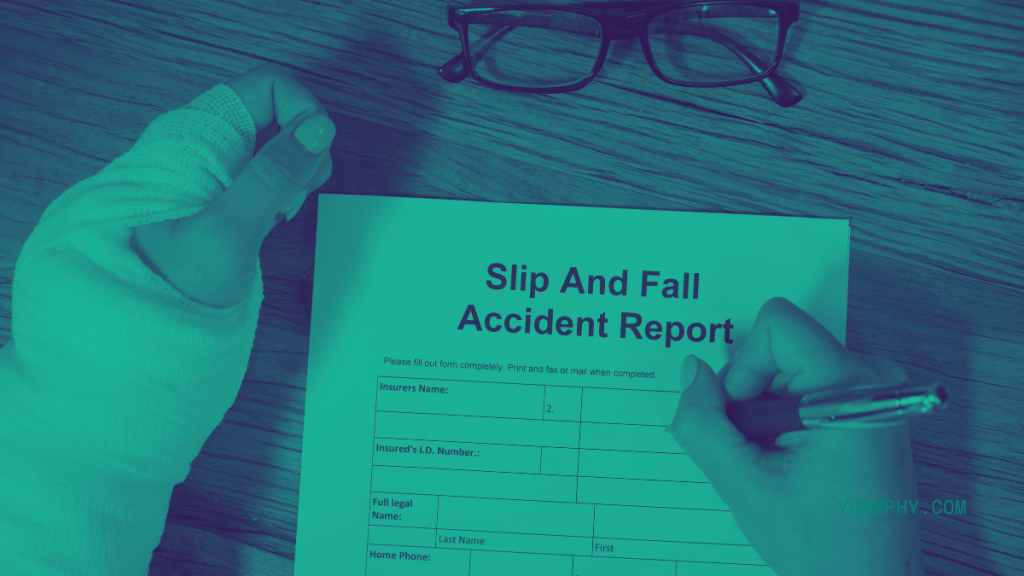
Keeping detailed records is important. It helps you get ready for any legal steps to take after an accident. It also assists with insurance issues that may arise.

Protecting Your Legal Rights
It is critical to safeguard your legal rights after a slip and fall. Avoid making statements about fault or liability at the scene, as these can be misinterpreted later. Instead, focus on preserving evidence and gathering the necessary information.
If negligence played a role in your accident, consulting an experienced slip and fall lawyer can provide clarity and direction:
- Evaluate Your Case: A knowledgeable attorney will assess your situation and guide you on the next steps.
- Negotiate on Your Behalf: They handle negotiations with insurance companies or other involved parties to ensure fair treatment and compensation.
It’s also important to act quickly. Most jurisdictions have a statute of limitations for personal injury cases, which limits the time you have to file a claim. Taking prompt action protects your ability to seek compensation for medical expenses, lost income, and other damages.
Balancing Recovery and Daily Responsibilities
Recovering from a slip and fall injury often requires a delicate balance between healing and maintaining daily responsibilities. Here are practical strategies to manage both:
- Delegate and Adjust: Ask for help from family, friends, or colleagues to share responsibilities. You might also consider temporary changes to reduce stress, such as working remotely or adjusting your schedule.
- Stay Organized: Use digital tools such as task managers or calendar apps to track medical appointments, therapy sessions, and legal deadlines. Keeping a detailed record of symptoms and recovery progress can also be beneficial for both health monitoring and legal documentation.
Balancing recovery and responsibilities doesn’t mean doing everything yourself. Leaning on your support network and available resources ensures you can focus on healing while maintaining stability in your routine.
The Role of Legal Support in Simplifying the Process
Navigating the aftermath of a slip and fall accident can be overwhelming, involving medical bills, insurance claims, and potential legal disputes. A qualified legal professional can simplify this process, enabling you to concentrate on recovery.
- Expert Negotiation: An experienced attorney will handle negotiations with insurance companies, ensuring your claim is fairly evaluated.
- Comprehensive Damage Assessment: Legal professionals can identify all costs, including hidden expenses like future medical care or lost earnings.
According to the American Bar Association, personal injury lawyers play a vital role in helping individuals understand their rights and pursue fair compensation. Trusting the legal complexities to a professional not only saves time but also improves your chances of a favorable outcome.
Preventative Measures for the Future
Reducing the risk of future accidents starts with proactive habits:
- Stay Alert: Be mindful of potential hazards like wet floors, uneven surfaces, or poor lighting, particularly in unfamiliar areas.
- Wear Proper Footwear: Shoes with non-slip soles provide better stability, especially in slippery conditions.
- Enhance Safety at Home or Work: Regularly inspect and maintain floors, stairs, and lighting. Address hazards like loose tiles or cluttered walkways promptly.
Tools such as cleats or grips can improve traction in outdoor environments, especially during icy or wet conditions. Taking these steps protects your well-being and the safety of others.
Conclusion: Empowering Yourself Through Preparedness
Taking proactive steps after a slip and fall incident is crucial for safeguarding your health and legal rights. Promptly seeking medical attention, documenting the scene, consulting legal professionals, and implementing preventative measures can help you navigate the aftermath effectively and reduce the risk of future accidents. Understanding how to safeguard your employee rights is another valuable step toward ensuring you’re prepared to handle unexpected challenges.
Preparedness not only aids in recovery but also empowers you to face unforeseen situations with confidence.