Companies are continually seeking solutions to streamline operations and enhance efficiency. Cloud-based Enterprise Resource Planning (ERP) systems have emerged as powerful tools for addressing these needs, transforming the way businesses manage resources and data. By centralizing information and automating processes, cloud ERP solutions offer increased flexibility, scalability, and cost-efficiency. This blog delves into the myriad ways cloud ERP can simplify intricate business functions, thereby driving growth and success in a competitive market.
Understanding Cloud ERP
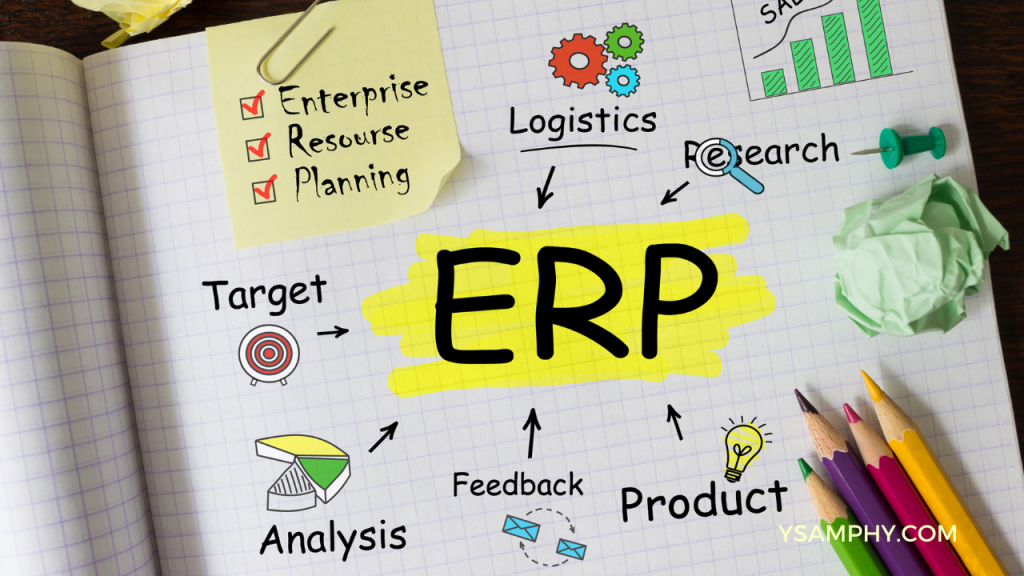
Cloud ERP refers to enterprise resource planning software that is hosted on a cloud computing platform rather than on-premises within a company’s own data center. This setup allows businesses to access their ERP system from any location with an internet connection, providing unparalleled flexibility and mobility. For example, with SAP S/4HANA cloud integration, companies can access real-time data and insights, enabling them to make informed decisions on the go. Additionally, cloud ERP systems are highly scalable, meaning they can easily adapt to a company’s changing needs and growth. This eliminates the need for costly hardware and software upgrades, saving businesses both time and money.
Advantages of Embracing Cloud ERP Solutions
Adopting cloud ERP solutions offers businesses numerous advantages that contribute significantly to streamlined operations and enhanced strategic decision-making. One primary benefit is the reduction in total cost of ownership, as cloud ERP eliminates the need for heavy upfront investments in hardware and ongoing maintenance costs traditionally associated with on-premises systems.
Additionally, cloud ERP provides improved data security and compliance, as service providers invest significantly in safeguarding data and ensuring compliance with regulatory standards. The cloud environment fosters better collaboration among teams, regardless of their physical location, by providing access to shared, real-time data. This enhances communication and ensures that all stakeholders operate with the same information, further driving efficiency and innovation across the organization.
Streamlining Operations with Cloud Automation
Cloud automation plays a crucial role in enhancing the efficiency of business operations by minimizing manual intervention and reducing the chances of errors. By leveraging cloud ERP solutions, companies can automate key processes such as finance, inventory management, and supply chain operations. This not only accelerates workflows but also ensures consistency and accuracy across the board.
An automated cloud environment allows businesses to deploy resources dynamically, optimizing performance while maintaining cost-effectiveness. Moreover, with intelligent automation capabilities, cloud ERP can continually learn and adapt to improve process efficiency and predict potential issues before they occur. This proactive approach to operations management empowers businesses to focus more on strategic goals rather than getting bogged down by routine tasks.
Enhancing Scalability and Flexibility
One of the hallmark benefits of cloud ERP systems is their inherent scalability and flexibility, which empower businesses to efficiently adapt to changing market conditions and internal demands. Unlike traditional ERP systems, which often require significant resource commitment to upgrade or expand, cloud ERP solutions can scale effortlessly to accommodate growth or contraction in business operations. This agility is particularly advantageous for companies experiencing seasonal variations in demand or those expanding into new markets.
Companies can swiftly increase or decrease their usage based on their current requirements, ensuring optimal resource allocation without the need for substantial capital expenditure. Cloud ERP’s flexibility allows for easy integration with other advanced technologies and platforms, enabling businesses to customize their systems to fit unique operational needs and stay ahead in innovation. This ability to integrate and scale ensures that organizations remain competitive and responsive in a fast-paced business environment.
Cost-Effectiveness of Cloud ERP
Cloud ERP systems are renowned for their cost-effectiveness, which is one of the main reasons they have become increasingly popular among businesses of all sizes. Unlike traditional ERP setups that require substantial initial investment in hardware, infrastructure, and licenses, cloud ERP solutions operate on a subscription-based model, significantly lowering upfront costs. This pay-as-you-go approach not only makes financial planning more predictable but also ensures that companies only pay for what they use, reducing waste and optimizing budget allocation.
Additionally, it reduces the burden of ongoing IT maintenance and support costs. Service providers handle upgrades, security patches, and system maintenance, freeing internal IT resources to focus on more strategic initiatives. Furthermore, the ability to easily scale resources up or down based on real-time demand ensures that businesses can adjust their ERP expenses in alignment with their current operational needs, allowing for greater financial agility. This combination of reduced capital expenditures, predictable operating costs, and minimized maintenance expenses makes cloud ERP a highly cost-effective solution, particularly for businesses seeking to optimize their resource utilization and maximize their return on investment.
Overcoming Challenges in Cloud ERP Implementation
While the benefits of cloud ERP systems are numerous, businesses may encounter several challenges during the implementation phase that need to be addressed to ensure a smooth transition. One of the primary hurdles is data migration. Existing data from legacy systems must be accurately transferred to the new cloud environment without disrupting ongoing operations. This requires meticulous planning and execution as well as the involvement of skilled IT professionals to mitigate risks such as data loss or corruption.
Another challenge is change management. Employees accustomed to traditional ERP systems may resist shifting to cloud-based solutions. To overcome this, businesses should invest in comprehensive ERP training programs for their employees and provide ongoing support to help staff adapt to new processes and technologies. Communication is key in this phase; clearly outlining the benefits and reducing apprehension will facilitate smoother adoption.
Organizations must consider data security and compliance from the outset. Choosing a reputable cloud service provider with robust security measures and a strong track record of regulatory compliance is crucial. Carefully evaluating service level agreements (SLAs) and understanding the shared responsibility model of cloud security will help secure organizational data.
Lastly, integration with existing systems and third-party applications can pose challenges. Businesses need to ensure that their cloud ERP solution seamlessly integrates with current tools and platforms, thereby maintaining process continuity and avoiding operational silos. With strategic planning, thorough risk assessment, and clear communication, companies can successfully navigate these challenges, paving the way for a successful cloud ERP implementation that supports long-term business goals.
Cloud ERP systems represent a transformative shift in how businesses manage their resources and streamline operations. Their ability to centralize data, automate tasks, and enhance flexibility makes them an essential tool for modern organizations striving to maintain a competitive edge. Despite the challenges that may arise during implementation, the long-term benefits of efficiency, scalability, and cost-effectiveness far outweigh the initial hurdles. By choosing the right cloud ERP solution and carefully planning the transition, companies can unlock significant improvements in their operational efficiency and strategic decision-making capabilities. As businesses continue to evolve in a rapidly changing market landscape, embracing cloud ERP systems will remain a key strategy for achieving sustained growth and success.