The criminal justice system plays a crucial role in maintaining social order and ensuring justice is served. It encompasses a complex network of laws, legal procedures, and institutions designed to address criminal behavior, protect citizens, and uphold the rule of law.
Understanding the intricacies of this system is essential, whether you are a legal professional, a student, or an individual seeking to navigate its challenges. This document will provide valuable insights into key legal concepts, terminology, and practical tips that foster a deeper comprehension of criminal justice, empowering readers to approach legal situations with greater confidence and knowledge.
The Role of Law Enforcement
Law enforcement agencies serve as the frontline defenders of public safety and order. Their responsibilities stretch beyond merely apprehending criminals; they participate in community engagement, crime prevention initiatives, and crisis response. By fostering trust and cooperation within communities, law enforcement can enhance overall safety and improve the quality of life for residents.
Training and ethical standards are essential, ensuring that officers uphold the law while respecting citizens’ rights. However, law enforcement’s role is complex and often scrutinized, particularly concerning issues of accountability and civil rights. In recent years, discussions surrounding police practices have gained prominence, leading to calls for reform and increased transparency.
Understanding the dynamics between law enforcement and the communities they serve is vital for fostering effective partnerships that improve public safety outcomes and build trust. If you want to know more about federal prisons information, for example, you can research and find reliable sources of information to gain a deeper understanding of the criminal justice system’s inner workings. These sources provide insight into how laws are enforced, amended, and evaluated in practice.
The Court System Explained
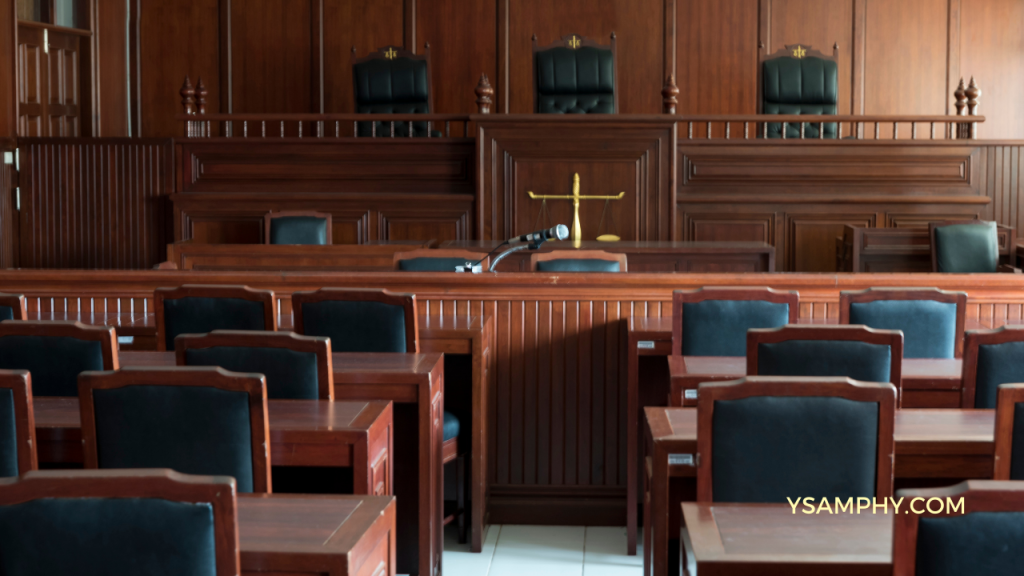
The court system is the backbone of the criminal justice process, where cases are adjudicated and justice is administered. Courts operate on various levels, including municipal, state, and federal courts, each with its jurisdiction and functions. The role of judges, lawyers, and juries is crucial in ensuring fair trials and the application of justice. Understanding the pathways of cases through the court system can help individuals better navigate legal proceedings and understand their rights.
Procedural rules dictate how cases are conducted, influencing the presentation of evidence and witness testimonies. Each step, from arraignment to sentencing, is governed by these rules, ensuring due process is maintained. Grasping the operational structure of the court system empowers individuals to engage more effectively in legal matters—be it as defendants, attorneys, or even jurors.

The Role of Defense Attorneys
Defense attorneys serve as legal advocates for individuals accused of crimes, ensuring that their clients receive a fair trial while protecting their rights. They play a crucial role in navigating the complexities of criminal law, providing counsel and representation throughout the legal process. A strong defense can make a significant difference in the outcome of a case, emphasizing the importance of skilled attorneys who are well-versed in legal strategies and courtroom procedures.
Defense attorneys are tasked with conducting thorough investigations and building a narrative that supports their client’s case. This includes questioning evidence, interviewing witnesses, and negotiating plea deals when appropriate. The relationship between a defendant and their attorney is built on trust, making it essential for defendants to communicate openly about their circumstances to facilitate an effective defense.
Understanding Criminal Charges
Criminal charges are formal accusations made against an individual, asserting that they have committed a crime. There are various categories of criminal charges, ranging from misdemeanors to felonies, each carrying different penalties and consequences. Understanding the nature of the charges can help individuals navigate their legal situations more effectively and prepare for the next steps in their cases.
Additionally, the distinction between charges and the legal implications of each type can have profound effects on a person’s life. Misdemeanors may result in fines or short jail time, while felonies can lead to lengthy prison sentences and significant collateral consequences, such as loss of employment opportunities. Therefore, knowledge of possible charges is essential for anyone involved in the criminal justice system, allowing for informed decisions and strategies moving forward.
Sentencing and Its Consequences
Sentencing is the final stage of the criminal justice process, where a judge determines the appropriate punishment for a convicted individual. Various factors influence sentencing decisions, including the nature and severity of the crime, the defendant’s criminal history, and any mitigating or aggravating circumstances discussed during trial. Understanding these factors can help individuals comprehend the potential outcomes they may face and what may impact their sentences.
Sentencing outcomes extend beyond immediate penalties—individuals may also encounter long-term consequences, such as probation, parole, or registration as a convicted felon. These repercussions can affect various aspects of life, including employment, housing, and personal relationships. As such, it is crucial for defendants and their families to grasp sentencing implications fully, equipping them to navigate the challenges that may arise post-conviction.
The Importance of Rehabilitation
Rehabilitation programs are designed to support offenders in reintegrating into society and reducing the likelihood of reoffending. These initiatives emphasize education, job training, therapy, and support services tailored to address the underlying factors contributing to criminal behavior. By prioritizing rehabilitation over punishment, the criminal justice system can foster long-term solutions that benefit individuals and communities alike.
Studies have shown that effective rehabilitation programs lead to lower recidivism rates, ultimately contributing to enhanced public safety. Investing in rehabilitation not only aids those affected by crime but also promotes social cohesion and stability. It is essential to advocate for policies that support rehabilitation initiatives, as they have the potential to transform lives while benefiting society as a whole.
Navigating Legal Resources
Access to legal resources is vital for individuals facing challenges within the criminal justice system. These resources range from public defenders and legal aid organizations to informational websites and community outreach programs. Understanding where to find trustworthy resources can empower individuals to make informed decisions and effectively advocate for their rights.
Many communities offer workshops and seminars aimed at educating the public about the legal system. These events can demystify complex legal processes and provide valuable insights into handling various situations. Engaging with these resources fosters a sense of agency, enabling individuals to approach their legal challenges with greater confidence and understanding.

Navigating the criminal justice system can be a daunting experience, filled with complexities and uncertainties. However, understanding its key components—from law enforcement and the court system to the roles of defense attorneys and rehabilitation—equips individuals with the knowledge necessary to advocate for their rights and make informed decisions. By prioritizing education and access to legal resources, individuals can foster a sense of empowerment that not only impacts their own situations but also contributes to a more just and equitable society.