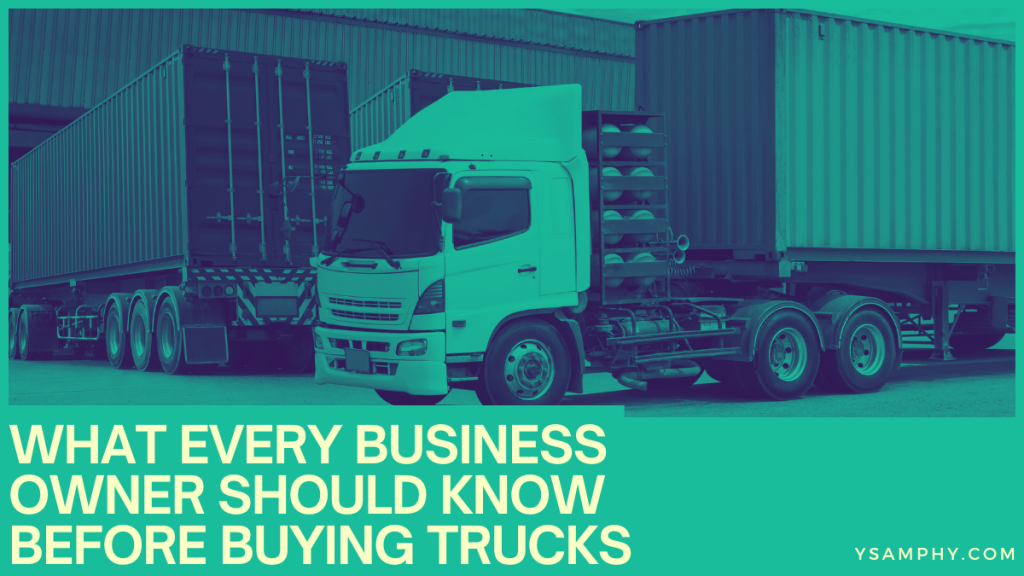
When you’re a business owner, the decision to purchase trucks for your company is a major investment. Whether you’re in logistics, delivery, or any other industry requiring transportation, getting the right trucks can make or break your operations. Before committing to a purchase, it’s important to understand several key factors that will influence your decision.

Assess Your Business Needs
Consider the size, weight capacity, and type of goods or services you’ll be transporting. Are you moving small packages or large equipment? Will you need a flatbed, a refrigerated truck, or a box truck? If your business requires temperature-sensitive goods, you may need to Buy Refrigerated Trucks to ensure proper storage and transport. Knowing these specifics will help you choose the right vehicle that not only fits your current needs but also adapts to future growth.
Understand Your Budget
Purchasing trucks is a significant financial commitment. Factors include not only the initial cost of the vehicle but also long-term expenses such as fuel, maintenance, insurance, and licensing. Evaluate your budget carefully and determine if leasing or financing makes more sense for your business. Having a clear understanding of your financial limitations will prevent you from overextending your business’s resources.
Consider All Costs, Not Just the Purchase Price
When budgeting for a truck, remember to account for ongoing operational costs. This includes fuel, which fluctuates based on the size of the truck and its fuel efficiency. You’ll also need to factor in regular maintenance, repairs, and unexpected costs, such as replacing tires or components. Insurance premiums can be high, particularly for commercial vehicles, so be sure to include this in your budget as well.
Explore Financing and Leasing Options
If the upfront cost of purchasing trucks is too high, explore financing and leasing options. Financing allows you to spread the cost over time, which can help with cash flow management, especially for newer businesses. Leasing may be a viable option if you need to upgrade your fleet regularly, as it typically comes with lower monthly payments, though you won’t own the trucks at the end of the lease term.
Look for Trucks with Technology Features
Modern trucks come equipped with advanced technology that can improve efficiency and safety, making them a smart choice for businesses. Features like GPS tracking, telematics, lane departure warnings, and automatic braking systems can help you monitor and manage your fleet more effectively. These technologies can also reduce risks associated with driving, improve driver behavior, and even lower insurance premiums. Investing in trucks with these advanced features can give your business a competitive edge and contribute to long-term savings.
Consider Fuel Efficiency and Maintenance
Fuel costs are one of the biggest ongoing expenses when it comes to owning trucks. Pay attention to the fuel efficiency ratings of different models and consider their impact on your bottom line. Additionally, consider the maintenance history and reliability of the truck. Regular repairs and breakdowns can quickly drain your finances, so opt for vehicles that are known for their durability and low maintenance costs.
Check Legal and Regulatory Requirements
Different types of trucks may require specific licenses, certifications, or permits depending on your location and the type of goods you transport. Be sure to understand the legal requirements before purchasing a truck. This includes weight limits, emissions regulations, and safety standards. Failing to comply with these regulations can result in costly fines and operational delays.
Evaluate the Truck’s Longevity
When purchasing trucks, you want to ensure that the vehicle you choose will serve your business for many years. Look for trucks that have a proven track record for durability and longevity. Trucks from reputable manufacturers often come with warranties and extended service options, which can be a major advantage.
Do some research into how long specific models typically last, how often they need major repairs, and what kind of longevity businesses in your industry experience. A well-maintained truck can last a decade or more, making it a valuable asset for your operations.
Think About Resale Value
While you may not be thinking about selling the truck immediately, having a vehicle with high resale value can be a great financial asset when it comes time to upgrade or replace older models. Some trucks depreciate more slowly than others, and their resale value can vary greatly based on factors like brand reputation, condition, and demand in the used vehicle market. Keep in mind that trucks with good resale potential may also hold up better over time, making them a more reliable choice for your business.
Choose Well-known, Reputable Brands
Trucks from trusted brands like Ford, Toyota, or Freightliner typically hold their value better than lesser-known brands. These manufacturers have a history of reliability and are in high demand in the used market, which helps to maintain their resale value. In addition, buying from a well-established brand often means better availability of parts, which contributes to the truck’s longevity and desirability when it’s time to sell.
Keep an Eye on Vehicle Condition
Regular maintenance and care play a significant role in the resale value of your truck. Trucks that have been well-maintained, have fewer miles and are in good cosmetic condition tend to retain more of their original value. A truck with a complete service history and minimal wear and tear will attract more potential buyers and fetch a higher price when it’s time to sell.
Consider the Truck’s Purpose and Versatility
Trucks that are versatile and can be used for multiple types of work tend to have higher resale value. For example, a box truck or a refrigerated truck that can handle various cargo types will likely be more attractive to used truck buyers. Additionally, trucks that can be adapted for different industries or needs often have a broader market, ensuring better resale prospects.
Consider the Total Cost of Ownership
While the upfront cost of a truck is important, the total cost of ownership is just as critical to your bottom line. This includes costs related to fuel, maintenance, repairs, insurance, and registration. Some trucks may be cheaper to buy initially but more expensive to maintain over time, especially if parts are difficult to find or repairs are costly. Factor in the total cost over the expected life of the truck and compare different models to determine which provides the best overall value for your business.
Investing in trucks for your business is not a decision to be taken lightly. By carefully assessing your needs, understanding your budget, considering fuel efficiency, and ensuring compliance with regulations, you can make an informed choice. With the right trucks, you’ll set your business up for smoother operations, reduced costs, and greater long-term success.