The design of living spaces has evolved significantly to accommodate the changing needs of today’s society. Architects and designers are increasingly focused on creating environments that align with the pace of contemporary life. This involves integrating functionality with aesthetic appeal and sustainability so that the spaces both look good and cater to the lifestyles of their inhabitants.
Advances in technology and shifts in social dynamics have driven the demand for innovative designs that reflect a more dynamic way of living. Personalization has become a key trend, allowing people to create homes that resonate with their identities while meeting their practical needs. In this context, understanding how spaces are structured to foster community, efficiency, and comfort becomes essential for modern living. Let’s dive into it.
Community-Centric Designs
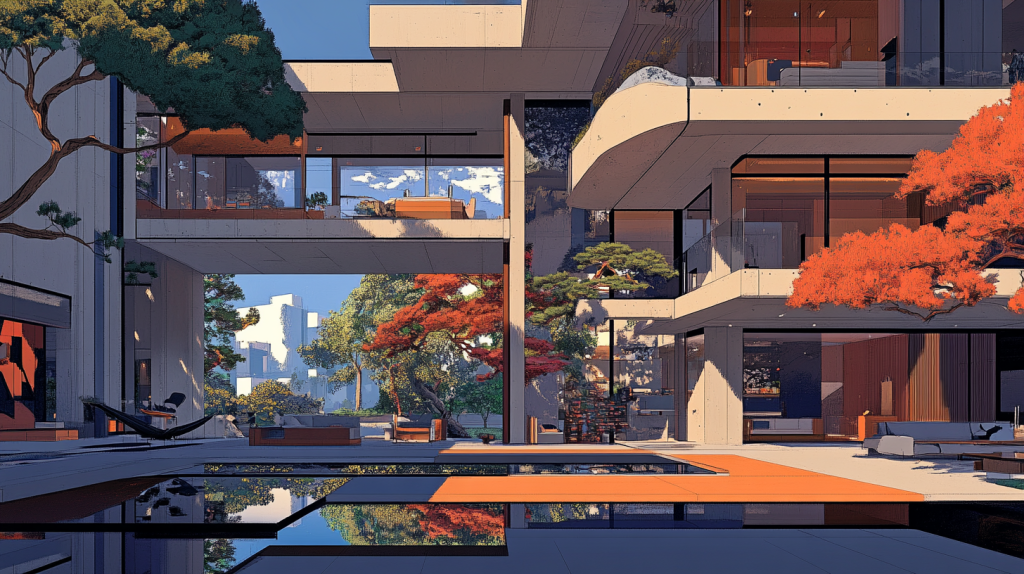
Creating a sense of community is a cornerstone of modern architectural design. Spaces are now being designed with communal areas that encourage interaction among residents. These areas might include parks, playgrounds, shared gardens, and even co-working spaces. Such environments promote social engagement, making it easier for people to connect with their neighbors and develop meaningful relationships.
As urban developments grow larger, the role of community spaces allows for a buffered experience against the hustle and bustle of urban life. Thanks to the support of property developers on the Gold Coast and beyond, these shared spaces are becoming integral parts of housing projects, fostering friendships and a sense of belonging. Incorporating sustainability into these communal designs makes them appealing to environmentally-conscious individuals.
Flexible Living Spaces
Homeowners frequently require spaces that can adapt to their evolving needs over time. A room originally designed as a nursery can be transformed into a home office as children grow older. This adaptability is especially important in urban areas where real estate is at a premium. The concept of multi-functional spaces maximizes the utility of a home and caters to diverse lifestyles.
Homeowners are leaning toward designs that allow them to easily reconfigure their living areas. Whether it’s movable walls or convertible furniture, these innovations are key to efficient living. Emphasizing flexibility also reflects a deeper understanding of how individuals use their spaces throughout different stages of life so that homes remain relevant and functional.
Sustainable Architectural Practices
As mentioned earlier, sustainability is shaping modern architectural practices. Sustainable designs help reduce the ecological footprint of buildings by maximizing the use of natural resources and minimizing waste. Techniques like passive heating and cooling, rainwater harvesting, and solar power integration reflect a commitment to protecting the environment.
Many developers are prioritizing sustainability for compliance and the growing demand from consumers for greener living options. This trend is evident in how new housing developments incorporate features that align with sustainable living principles. Consequently, communities that embrace sustainability are not only more appealing to eco-conscious buyers but also promote healthier lifestyles. Future trends in architecture will undoubtedly continue to prioritize sustainability, a defining characteristic of new designs.
Technological Integration in Design
In modern living, smart home technologies have transformed how people interact with their environments. From automated lighting and heating systems to security features that can be controlled via smartphones, technology enhances convenience and safety. These integrations also contribute to efficiency and allow homeowners to monitor and control their consumption easily.
The emergence of the Internet of Things (IoT) has facilitated the design of fully connected homes where various devices communicate seamlessly. This technology allows for the creation of intelligent spaces that respond to the needs of their inhabitants. As developers and architects consider technological advancements, they can create designs that elevate the quality of life for residents.
Personalization and Customization
Personalization is a key component in modern home design: homeowners want to make their spaces unique and aligned with their personal styles. It has led to a rise in custom-built homes, as well as options for personalization within larger developments. Choices might range from specific layouts to finishes and appliances, empowering residents to create environments that genuinely reflect their tastes.
Outdoor areas are also becoming vital aspects of home personalization. Homeowners often enhance these spaces with elements like patios, gardens, and water features, sourcing inspiration and products from Outdoor Fountain Pros to achieve their desired look. Thoughtful outdoor design not only increases property value but also provides a peaceful retreat right at home. This trend highlights the growing emphasis on blending indoor and outdoor living experiences.
The demand for customization ensures that homes are not simply cookie-cutter versions of each other but rather distinctive reflections of the people who inhabit them. The market is seeing a plethora of design options that cater to individual preferences. By combining personalization with thoughtful architectural design, modern living spaces can evolve into true extensions of the homeowner’s identity.
Health and Well-Being in Design
The health and well-being of residents are considerations you should not overlook in architectural design. Spaces are created to promote physical and mental wellness through proper ventilation, natural light, and biophilic design elements. Windows are strategically placed to maximize natural light, which is known to boost mood and productivity.
Designs that incorporate greenery, be it through indoor plants or outdoor gardens, can enhance mental health. Health-focused design goes beyond aesthetics; it aims to create environments that foster a balanced lifestyle. With more individuals seeking work-life balance, home designs that offer tranquility and comfort are more appealing. Developers are recognizing the significance of integrating wellness into living spaces, paving the way for homes that contribute positively to residents’ overall well-being.
Urban Living Solutions
Urban living presents unique challenges, particularly in densely populated areas. Architects and developers are responding with innovative solutions that optimize space within the limitations of urban environments. Vertical living has gained popularity, leading to the design of high-rise apartments that utilize limited land effectively. Alongside this, mixed-use developments are rising, combining residential, commercial, and recreational spaces. It’s a blend that promotes convenience and reduces the need for transportation, enhancing the livability of urban areas.
Innovations such as rooftop gardens and urban farms also contribute to sustainability while providing green spaces in concrete jungles. Meeting the needs of city dwellers requires creative design approaches that prioritize space optimization and accessibility. Due to the rise of urbanization, the challenges and opportunities presented by city living will significantly influence future architectural designs.

The architecture of modern spaces reflects a comprehensive understanding of contemporary lifestyles. From sustainable practices and technological advancements to community-centric designs, these elements converge to create environments that cater to both function and aesthetics. Architects and developers are poised to continue innovating so that homes and community spaces are designed with relevance and purpose in mind.