
When storing your belongings for an extended period, proper packing is crucial to ensure that they remain safe and undamaged. Whether you’re moving, downsizing, or simply decluttering, putting items into long-term storage requires careful preparation. Failing to pack items correctly can lead to damage from environmental factors such as moisture, dust, and pests, or physical harm from improper handling. By following a few simple guidelines, you can protect your valuables and ensure they stay in pristine condition, no matter how long they remain in storage. Here’s a comprehensive guide on how to pack your items properly for long-term storage and avoid unnecessary damage.
Choose the Right Packing Materials
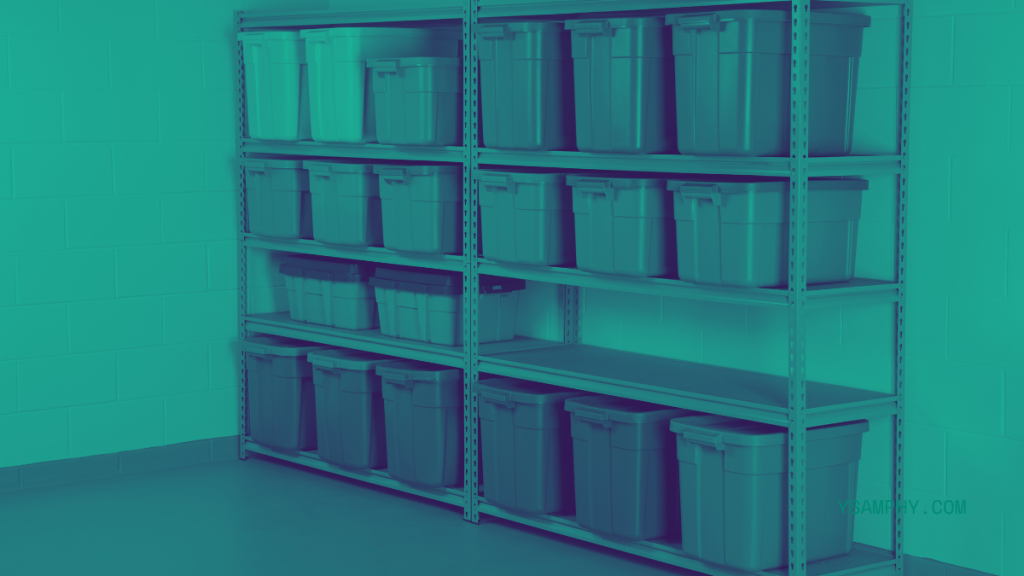
The first step to successful long-term storage is choosing the right packing materials. The quality of the materials you use will directly affect how well your items are protected. Start with durable, high-quality boxes that can withstand the weight of other items stacked on top. Cardboard boxes are commonly used, but for long-term storage, you might want to consider plastic containers, which offer better protection against moisture and pests.
You’ll also need other packing supplies, including bubble wrap, packing paper, packing tape, and protective covers for larger items like furniture. Avoid using old newspapers for wrapping fragile items, as the ink can transfer and stain your belongings. Additionally, make sure you use the correct size boxes for the items you’re packing. For example, smaller boxes are better for heavy items like books, while larger boxes are suitable for lighter items like bedding and linens.
Clean and Dry Items Before Packing
It’s essential to clean and dry all items thoroughly before packing them for long-term storage. Dirt, dust, and moisture can cause significant damage over time, particularly if your items are stored for months or years. For example, dirt can attract pests, and moisture can lead to mold, mildew, or rust.
Before packing, wipe down furniture, electronics, and appliances with a damp cloth to remove dust and dirt, and allow them to dry completely. Wash any clothing, linens, and fabrics, and make sure they are fully dry before packing. For added protection, you can place moisture-absorbing products like silica gel packets inside boxes to prevent humidity from building up.
Protect Fragile Items
When storing fragile items such as glassware, dishes, or electronics, extra care is needed to prevent breakage. Wrap each fragile item individually in bubble wrap or packing paper to cushion them against impact. For dishes and glassware, use dish pack boxes, which are designed to keep fragile items secure with dividers.
For added protection, place a layer of packing paper at the bottom and top of each box, and fill any gaps between items with packing peanuts or crumpled paper. Label the boxes as “Fragile” to ensure they are handled with care when being transported and stacked.
Protect Against Environmental Factors
One of the biggest threats to your items in long-term storage is environmental damage caused by temperature fluctuations, humidity, and pests. If you’re storing valuable or sensitive items like electronics, artwork, or important documents, it’s best to opt for climate-controlled storage, which regulates temperature and humidity levels to prevent damage.
For those storing in non-climate-controlled units, taking extra precautions is important. Avoid placing items directly on the floor, as this can expose them to moisture. Use wooden pallets or shelves to elevate your boxes and furniture off the ground. Additionally, ensure that items like clothing or paper products are sealed in airtight containers to protect them from humidity and pests. If you’re looking for secure and convenient storage, storage solutions in Sunshine and other places offer climate-controlled options and flexible storage plans to keep your belongings safe for the long term. By using professional storage services, you can further ensure the safety and preservation of your items while they’re in storage.
Disassemble Furniture and Large Items
Furniture and large items can take up a lot of space in storage, and improper packing can lead to scratches, dents, or warping. To avoid damage, disassemble furniture such as tables, bed frames, and shelving units before placing them in storage. Keep screws, bolts, and other small parts in labeled plastic bags and tape them to the furniture for easy reassembly later.
For furniture pieces that cannot be disassembled, like couches or dressers, cover them with furniture blankets or plastic wrap to protect them from dust and scratches. Avoid placing heavy items on top of upholstered furniture, as this can cause permanent indentations or damage to the fabric.
Label Everything Clearly
Proper labeling is key to keeping your storage unit organized and ensuring that you can find specific items easily when you need them. Use a permanent marker to label each box with its contents and the room it belongs to. For added convenience, you can number the boxes and create an inventory list to track what’s inside each one.
Clear labeling also helps when you’re stacking boxes in your storage unit, as it prevents you from having to open multiple boxes to find what you’re looking for. This is especially important for fragile items, which should be stacked in areas where they won’t be crushed by heavier boxes.
Stack Boxes Strategically
When placing your items into storage, how you arrange and stack your boxes is just as important as how you pack them. To avoid crushing or damaging your belongings, always place heavier boxes on the bottom and lighter, more delicate boxes on top. Leave a small gap between stacks of boxes and the walls of the storage unit to promote air circulation and prevent moisture buildup.
If you’re storing larger items like furniture or appliances, place them toward the back of the unit, and use the front space for boxes and items you may need to access more frequently. If possible, create walkways between stacks of boxes for easier access to your belongings without having to move everything around.
Check on Your Items Periodically
Even if you’ve packed and stored your items carefully, it’s a good idea to check on them periodically, especially if they’ll be in storage for an extended time. Regular visits to your storage unit allow you to inspect for any signs of moisture, mold, or pest infestations. If you notice any issues, address them immediately to prevent further damage. Checking on your items also gives you the opportunity to rotate seasonal belongings, update your inventory list, and ensure that everything is still organized and easily accessible.
Packing your items properly for long-term storage is crucial to avoiding damage and ensuring that they remain in good condition. By using high-quality packing materials, disassembling large items, protecting fragile belongings, and keeping your storage space organized, you can minimize the risk of harm while your items are stored away. Whether you’re storing personal belongings, furniture, or valuable items, choosing professional storage solutions can provide added peace of mind that your possessions are safe and secure for the long term.



