
Losing weight is a common goal for many individuals, and for those struggling to shed pounds through diet and exercise alone, weight loss medications can seem like an appealing option. However, before deciding to use medication for weight loss, it’s important to consider the potential benefits and risks, as well as the factors that may influence whether this approach is right for you. Here’s what you need to know before opting for weight loss medication.
1. Understand How Weight Loss Medications Work
Weight loss medications are typically prescribed to individuals who have been unable to achieve significant results through lifestyle changes alone. These medications work in various ways, depending on the specific drug. Some appetite suppressants help you feel fuller faster or reduce hunger, while others block the absorption of fat or calories in the body.
One common weight loss medication, Wegovy (semaglutide), works by mimicking a hormone in the body that regulates appetite, helping individuals feel satisfied with smaller portions of food. While medications like Wegovy can be effective in promoting weight loss, they are generally recommended as part of a comprehensive treatment plan that includes healthy eating and regular physical activity.
It’s crucial to understand that weight loss medications are not a magic solution and should not be relied upon as the sole method for losing weight. They are most effective when used in conjunction with lifestyle changes that support long-term health and weight management.
2. Know Who Qualifies for Weight Loss Medication
Not everyone is a candidate for weight loss medications. These drugs are typically prescribed to individuals with a body mass index (BMI) of 30 or higher (classified as obese), or to those with a BMI of 27 or higher who also have weight-related health issues such as type 2 diabetes, high blood pressure, or sleep apnea. The goal is to help these individuals reduce their risk of developing serious health complications associated with obesity.
Before prescribing a weight loss medication, healthcare providers will assess your overall health, weight loss goals, and any underlying medical conditions. If you’re considering this option, it’s important to have an open discussion with your doctor to ensure that the medication is safe and appropriate for your specific needs.
3. Be Aware of Potential Side Effects
Like any medication, weight loss drugs can come with potential side effects, some of which may be mild, while others could be more serious. It’s essential to be fully informed about these side effects before starting a weight loss medication. For example, Wegovy, a popular choice for weight loss, has been associated with gastrointestinal side effects, including nausea, vomiting, and diarrhea.
In some cases, individuals may experience more serious complications, which is why it’s important to monitor your health while on medication. To avoid unnecessary risks, always follow your healthcare provider’s instructions and inform them immediately if you experience any severe or concerning side effects. Before starting any medication, make sure you research potential risks and talk to your doctor about common Wegovy side effects or those associated with other prescribed medications. This will help you make an informed decision about whether the benefits outweigh the risks for your personal situation.
4. Medication is Not a Substitute for Lifestyle Changes
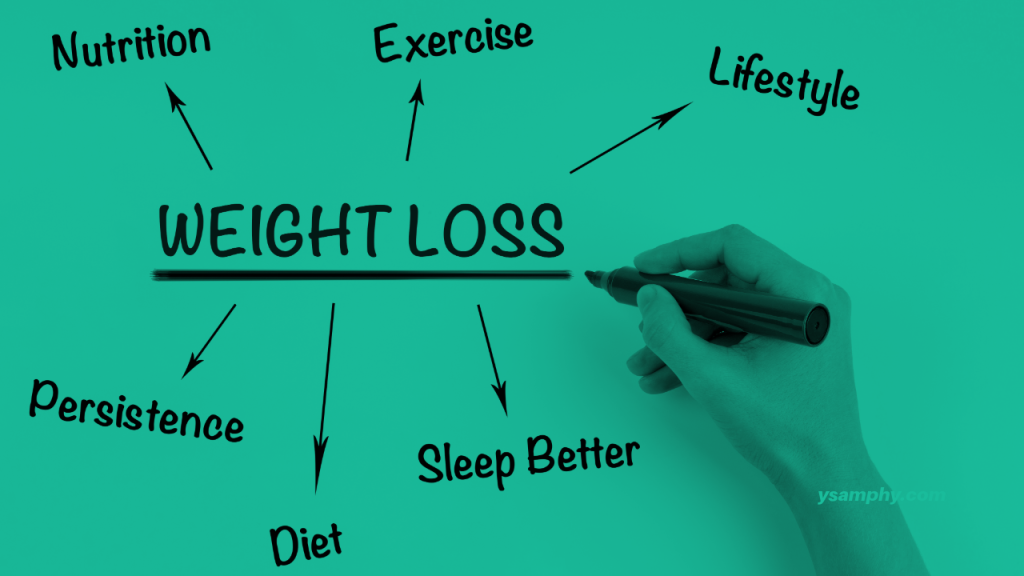
While weight loss medications can provide a significant boost in your efforts to lose weight, they are not a replacement for healthy lifestyle habits. Relying solely on medication without incorporating proper nutrition and exercise can limit long-term success. Medications are typically prescribed as part of a comprehensive weight management plan, which should include healthy eating, increased physical activity, and behavioral changes.
Weight loss achieved through medication alone may be temporary if lifestyle changes aren’t maintained after stopping the medication. For sustainable results, it’s important to focus on building lasting habits that support overall health and well-being.
Work with your healthcare provider to create a balanced plan that combines medication with sustainable dietary changes and physical activity tailored to your needs and preferences.
For individuals considering weight loss medications, it’s important to remember that these treatments should complement and not replace integral lifestyle changes such as healthy dieting. Complementary strategies like family nutrition counseling offer personalized dietary plans catered to improve overall health. Programs available could incorporate elements covered by insurance, offering manageable ways to achieve sustained wellness goals with the guidance of expert registered dietitians.
5. Consider the Cost and Long-Term Commitment
Weight loss medications can be expensive, and the costs may not always be covered by insurance. The long-term nature of these treatments also means that you could be taking the medication for months or even years, which can add up over time. Before starting a weight loss medication, it’s important to consider the financial implications and discuss coverage options with your insurance provider.
Think about the commitment required for long-term use of weight loss medications. These drugs may need to be taken regularly to maintain weight loss, and stopping them abruptly could lead to regaining the lost weight. Make sure you are prepared for the commitment and have a plan in place to transition off the medication if needed.
6. Monitor Your Progress and Adjust as Necessary
Once you start taking a weight loss medication, it’s important to regularly monitor your progress. Keep track of your weight, any side effects you experience, and how the medication is impacting your overall well-being. Some individuals may experience significant weight loss in the first few months, while others may lose weight more gradually.
It’s also important to adjust your treatment plan as necessary. If you don’t see the expected results or if side effects become intolerable, your doctor may recommend changing the dosage, switching to a different medication, or focusing more on lifestyle modifications.

Weight loss medications can be a helpful tool for individuals struggling with obesity or weight-related health conditions. However, it’s important to carefully weigh the benefits and potential risks before deciding to use them. Always consult with your healthcare provider to ensure that weight loss medications are the right choice for you, and be prepared for the commitment needed to achieve sustainable, healthy weight loss.



