
Running a restaurant is a complex endeavor, where the primary focus is to deliver exceptional food and service to patrons. However, maintaining a pristine environment is equally crucial to upholding health standards and ensuring customer satisfaction. Among the various challenges restaurateurs face, pest control is one of the most critical. Pests can tarnish your restaurant’s reputation, cause significant health risks, and lead to potential fines from health inspections. This article outlines effective strategies to protect your restaurant from pests, ensuring a safe and hygienic dining experience for your customers.
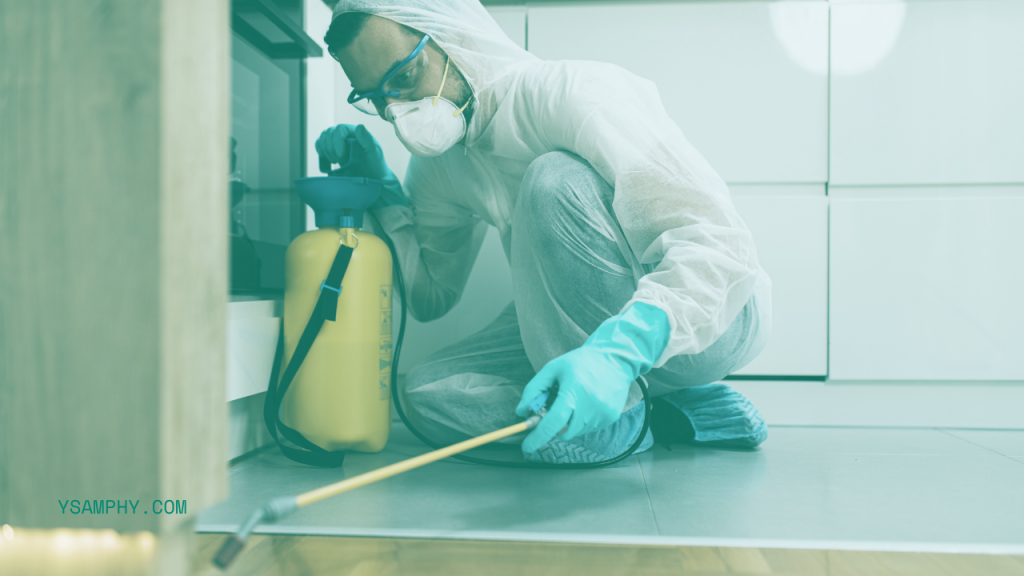
Maintain a Clean and Sanitary Environment
The cornerstone of pest prevention in any restaurant is cleanliness. Pests, such as rodents, cockroaches, and flies, are attracted to food sources and breeding grounds typically found in unclean environments. Therefore, maintaining a rigorous cleaning schedule is paramount. Ensure that all food preparation areas, dining spaces, and storage units are cleaned regularly. Daily cleaning routines should include wiping down countertops, sanitizing equipment, and sweeping and mopping floors to remove crumbs and spills that could attract pests. Additionally, it’s crucial to clean hard-to-reach places, such as behind appliances and under sinks, as these areas can become hotspots for pest activity. Implementing a deep cleaning protocol at least once a week will further minimize the risk of infestation. This protocol should involve thorough cleaning of drains, grease traps, and ventilation systems, which can harbor pests if neglected.
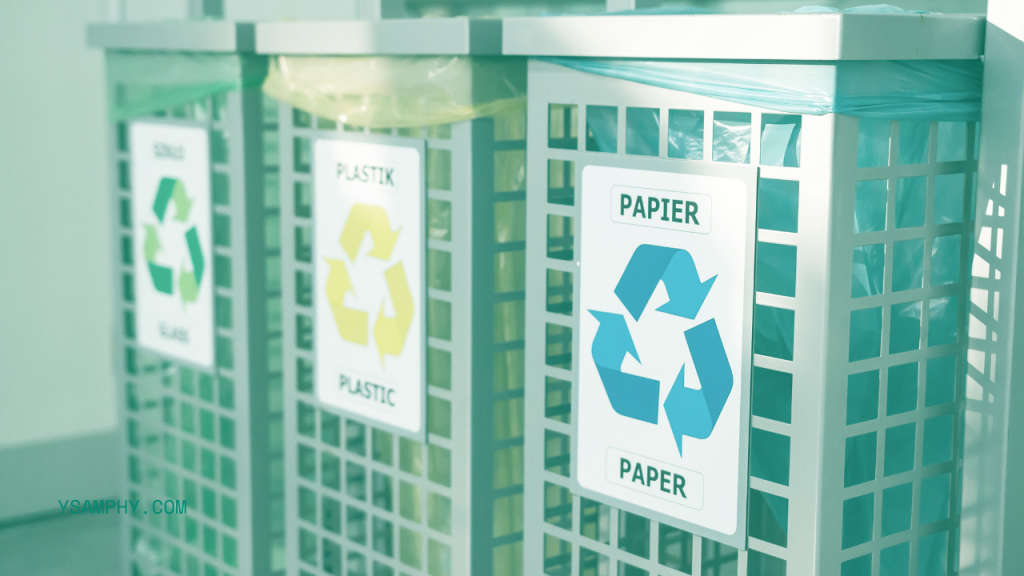
Implement Strict Waste Management Practices
Effective waste management is another critical component of pest control in a restaurant. Pests are often drawn to the smell of food waste, so it’s essential to dispose of garbage promptly and correctly. Use sturdy, lidded bins for both indoor and outdoor waste, and ensure these are emptied regularly to prevent overflow. Line trash cans with plastic bags to facilitate easier disposal and reduce residue buildup. Outdoor dumpsters should be positioned away from the restaurant building to minimize the attraction of pests to the premises. Additionally, keep the dumpster area clean and ensure that the lids are closed tightly when not in use. Regularly cleaning and sanitizing waste bins and surrounding areas will further deter pests. Educate your staff on the importance of proper waste disposal and the role it plays in pest prevention. Training should emphasize the necessity of tying garbage bags securely, avoiding the storage of waste overnight inside the restaurant, and immediately reporting any signs of pest activity around waste areas.

Seal Entry Points and Schedule Regular Inspections
Preventing pests from entering your restaurant in the first place is a proactive measure that can save you significant trouble down the line. Begin by conducting a thorough inspection of your establishment to identify potential entry points for pests. Common entry points include gaps around doors and windows, cracks in walls, and openings around utility lines. Seal these gaps with appropriate materials, such as weather stripping, caulk, or steel wool, to create a barrier against pests. Additionally, install door sweeps on exterior doors and ensure that windows are fitted with screens that are in good repair. Another essential aspect of pest prevention is regular professional inspections. Partner with a reputable pest control company near you to schedule routine inspections and treatments. These professionals can identify early signs of pest activity and provide targeted treatments to prevent infestations. Regular inspections also offer an opportunity to address potential issues before they become significant problems, ensuring that your restaurant remains pest-free.

Foster a Culture of Vigilance and Training
In addition to the practical measures of cleanliness, waste management, and physical barriers, fostering a culture of vigilance and training among your staff is essential for effective pest control for restaurants. Employees should be trained to recognize the early signs of pest activity, such as droppings, gnaw marks, or unusual odors, and report these immediately. Regular training sessions should cover the importance of pest prevention and the specific procedures your restaurant follows to mitigate risks. Encourage staff to adhere to best practices consistently, such as keeping food covered, promptly cleaning spills, and properly storing ingredients. Establishing a reporting system where employees can notify management of potential pest issues will enable swift action and prevent minor problems from escalating. By creating an environment where every team member is actively involved in pest prevention, you can ensure that your restaurant remains a safe and welcoming space for your customers. This proactive approach to pest control for restaurants not only enhances overall hygiene. Also, it fosters a sense of responsibility and teamwork among your staff.
Use Safe and Effective Pest Control Methods
While preventative measures are vital, sometimes professional intervention is necessary to tackle persistent or severe pest issues. When choosing pest control methods, prioritize safe solutions for both your customers and staff. Integrated Pest Management (IPM) is a highly recommended approach for pest control in restaurants. IPM emphasizes the use of non-chemical methods first, such as traps and physical barriers, before resorting to chemical treatments. When chemicals are needed, opt for environmentally friendly and safe for use in food service areas. Collaborate with a reputable pest control company that understands the unique needs of a restaurant environment and can provide customized solutions. Regularly review and update your pest control plan to ensure it remains effective and aligned with the latest industry standards.

Ensure Compliance with Health Regulations
Adhering to local health regulations is not only a legal requirement but also a critical aspect of maintaining a pest-free restaurant. Health inspectors will scrutinize your establishment for signs of pests and evaluate the effectiveness of your pest control measures. Familiarize yourself with the specific regulations and guidelines in your area to ensure compliance. Keep detailed records of all pest control activities, including inspections, treatments, and any corrective actions taken. This documentation will be valuable during health inspections and can demonstrate your commitment to maintaining a high standard of hygiene. Additionally, staying informed about changes in health regulations and pest control technologies can help you stay ahead of potential issues and ensure your restaurant remains compliant and pest-free.
Protecting your restaurant from pests requires a multifaceted approach that includes maintaining cleanliness, implementing effective waste management practices, sealing entry points, and fostering a culture of vigilance and training among your staff. By utilizing safe and effective pest control methods and ensuring compliance with health regulations, you can create a safe and hygienic environment for your customers. These strategies not only protect your restaurant’s reputation but also contribute to the overall success and sustainability of your business. Investing in comprehensive pest control measures is an essential aspect of operating a reputable and thriving restaurant.




Restaurants are places which deal in food items and thy are bound to attract pests. The best thing is to seal the entry points. Keep the place clean. Pest control is also important. But have to make sure that the work is done safely because we are dealing in a food area.