The success of a business is a finely woven tapestry, threaded with strong supply chain management. Too often, the intricacies of supply chain operations are overlooked, yet they are the very backbone that sustains a business. Efficient supply chain management enhances customer satisfaction, reduces costs, and fuels growth.
As a business leader navigating through rapid changes and challenges, honing your supply chain strategies is paramount. This comprehensive guide offers actionable tips to fortify your supply chain, helping you achieve operational excellence and an edge over your competition. Keep on reading to learn more!
1. Embrace Technology
The digital age has revolutionized the way businesses operate, and supply chains are no exception. Incorporating cutting-edge technology into your supply chain can lead to significant improvements in efficiency and visibility.
Automation Tools
Implementing automation tools for routine tasks can reduce errors and free up valuable human resources to focus on critical decision-making. From robotic process automation (RPA) to automated data entry, technology holds the key to a more agile supply chain.
Supply Chain Management Software
Utilize software solutions that offer end-to-end visibility and management of your supply chain. This includes sophisticated systems that can monitor inventory levels, predict demand, and even assess logistical challenges in real time.
AI’s Role
Artificial Intelligence (AI) has a pivotal role to play in supply chain optimization. Machine learning algorithms can analyze complex data patterns to forecast demand, optimize routes, and inventories, and even predict potential disruptions. Furthermore, artificial intelligence in supply chain management can assist in identifying areas for improvement and suggest solutions. Not only does this improve efficiency, but it also enables businesses to make data-driven decisions based on accurate predictions.
2. Focus on Transparency
Consistent and clear communication is vital within supply chain networks. By fostering an environment of transparency, you can identify issues early and respond proactively.
Real-time Tracking
Invest in technologies that offer real-time tracking of shipments. This enables you to keep an eye on your inventory and ensures that you and your customers are informed of any delays or changes.
Communication with Partners
Establish open lines of communication with your suppliers and key stakeholders. When all parties are sharing information, decision-making is more informed, and action can be coordinated more effectively.
3. Optimize Inventory Management
Balancing inventory levels is a perennial challenge in supply chain management. Optimal inventory levels support just-in-time delivery and can reduce capital tied up in stock.
Just-in-Time Inventory
The just-in-time (JIT) method is a powerful inventory philosophy that can help reduce waste and improve efficiency. It involves holding low levels of inventory and replenishing stock only as needed.
Inventory Tracking Systems
Implement robust inventory tracking systems that can monitor stock levels, identify slow-moving or obsolete items, and provide real-time data for decision-making.
4. Streamline Processes
A streamlined supply chain ensures that operations run as efficiently as possible, without unnecessary delays or complications.
Reduce Bottlenecks
Identify and address bottlenecks in your supply chain. Whether it’s a slow supplier or a cumbersome process, eliminating bottlenecks can lead to smoother operations and faster delivery times.
Improve Efficiency in Workflows
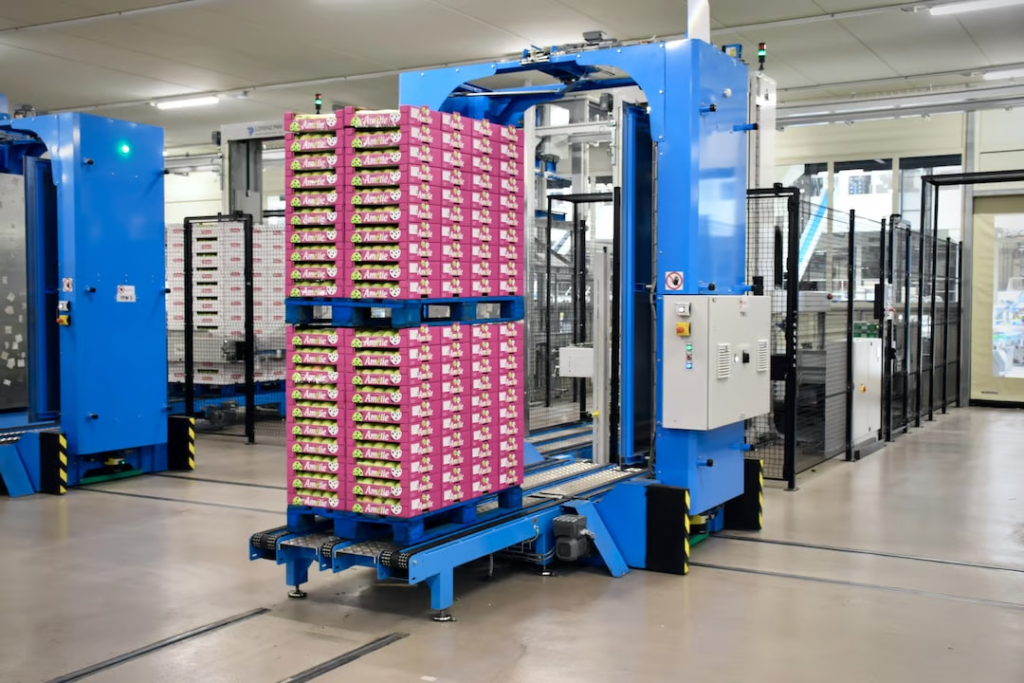
Look at your workflows and find areas that can be made more efficient. This could involve reorganizing tasks, simplifying processes, or leveraging technology to automate manual steps. A company needs advanced material handling equipment that supports fast, safe, and accurate movement of goods throughout the facility. Investing in the right tools can dramatically cut down processing times and minimise workplace injuries.
5. Enhance Supplier Relationships
A strong relationship with your suppliers can bring numerous benefits, from better prices to improved quality and reliability.
Collaboration and Communication
Work with your suppliers as partners. Sharing information and goals can help you align strategies to mutual benefit.
Vendor Performance Metrics
Establish clear performance metrics for your suppliers and share them openly. This transparency can lead to a more concerted effort to meet and exceed expectations.
6. Implement Sustainable Practices
Sustainability is not just a moral imperative; it’s also good business. By implementing sustainable practices in your supply chain, you can reduce costs and enhance your brand image.
Green Logistics
Look for ways to reduce the environmental impact of your logistics. This could mean adopting electric vehicles, consolidating shipments to reduce packaging, or finding the most fuel-efficient routes.
Reduce Carbon Footprint
Measure and manage your carbon footprint. This can involve everything from energy-efficient warehousing to using recycled materials in your packaging.
7. Invest in Employee Training
Well-trained employees are better equipped to manage the complexities of the supply chain. Make training a priority to ensure that your team has the skills they need to succeed.
Supply Chain Education
Invest in specialized education for your supply chain team. This could be through industry certifications, relevant degree programs, or continuing education opportunities.
Cross-functional Teams
Encourage cross-functional teamwork to foster a broader understanding of the supply chain. This can lead to more innovative solutions and a more cohesive approach to supply chain management.
8. Monitor Key Performance Indicators (KPIs)
You can’t improve what you don’t measure. Implementing KPIs allows you to track the health of your supply chain and make data-driven decisions.
Metrics for Efficiency
Select KPIs that measure efficiency, such as on-time delivery rates, inventory turnover, or lead times. These metrics can highlight areas for improvement and success.
Data-driven Decision Making
Use KPI data to steer your decision-making process. This objective information can mitigate the risks of subjective or emotionally driven choices.
9. Continuously Improve
Supply chain management is not a set-it-and-forget-it practice. To remain competitive, your supply chain must be dynamic and ever-improving.
Feedback Loops
Establish feedback loops with your customers, partners, and team members. This critical input can help you identify new opportunities and respond to changing market conditions.
Regular Reviews and Adjustments
Conduct regular reviews of your supply chain processes and make adjustments as needed. This may involve updating technologies, revisiting supplier contracts, or reevaluating distribution networks.

To sum it up, the supply chain is a dynamic and multifaceted operation that underpins every successful business. By following these nine tips, you can bolster your supply chain management, delivering exceptional value and performance. As you chart the course for your business, remember that a robust supply chain is not only a competitive differentiator but also the sustenance that keeps your enterprise thriving. Thank you for reading and good luck!