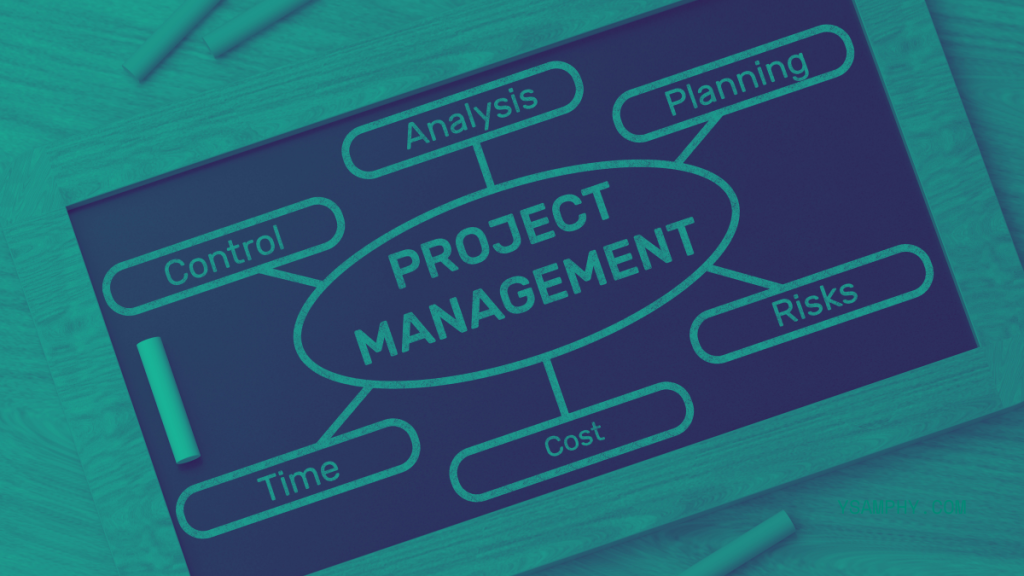
Project management is a competent delivery of projects through the use of knowledge, skills, tools and techniques in the management of projects. It is a provision of some resources in order to realize expected objectives and outcomes in a given time and plan.
Why Project Management Career Field Is An Ideal Career Choice
Project management is a rich field that has numerous positives that would lead to the personal and career advancement of everyone who would embrace the career. Here are some key reasons why you should consider this career path:
High Demand
He pointed out that competition and advances are now strictly industry-specific and the need for specialized project managers and coordinators are necessary. Project work is increasingly becoming the trend with more opportunities associated with jobs globally.
Competitive Salaries
Project management is a highly paid career with average wages above national median income per worker. There are quite a few industries and disciplines for which senior project managers can earn six figures with role-based certs.
Diverse Opportunities
Project managers are employed in many industries such as Information Technology, Construction, Healthcare, Management consultancy, Finance, and Renewable Energy among others. For those exploring roles in the energy sector, numerous careers on Energy JobSearch can connect you with the right position. This affords one varied opportunities, easy career change and ability to work on any projects.
Personal and Professional Growth
Hence, learning is not limited at all in project management as it covers from technical and leadership aspects to knowledge of strategic thinking.
Making a Real Impact
Positive project outcomes and the project end products are equal to the achievement of organizational objectives. Project managers receive the gratification of bid ideas implemented while overseeing the flow of endeavors from conception to implementation.
Key Skills for Project Managers
Any project manager manages to demonstrate several technical and interpersonal qualities that facilitate the administration of projects. Here are some of the essential skills required for this role:
Leadership
Leaders are important people who have to ensure that teams and subordinates are doctored to perform and propel to achieving the target set goals about the projects.
Problem-solving
Issue handling capability, critical evaluation and aptitude to take decisions make the project managers ready to manage risks, solve issues and lead the projects.
Decision-making
Decisions are always a big part of project management, which include but are not limited to the decisions over budget, allocation of resources, contracts and vendors and schedule and the like that require good judgment.
Time Management
Schedules and plans provide a framework for project managers to define their scope of work, sequence tasks, specify resources required and meet the established project dates with balance and efficiency.
Organization
Communication and coordination skills enable project managers to keep track of multiple factors and produce accurate records of work, organize other logistical factors and effectively coordinate everyone’s work.
Risk Management
Contingency planning and workarounds as a method of avoiding and reducing the damaging effects of risks in projects are key in avoiding severe mishaps in the endeavor.
Negotiation
Master negotiators can ensure that the project represents its interest well in dealing with clients, vendors, contractors and other parties with influence over the assets of the project.
Career Progression in Project Management
Project management is the sound career growth model, where advancement and added responsibilities are possible. Here are some common career stages in project management:
Project Coordinator
Some of the responsibilities of the role include, supervising the co-ordination of team activities and resources and managing the vendors on behalf of the managers.
Project Manager
They include formulation of project schedules, identification of project teams and overseeing the project implementation, Project evaluation and control.
Senior Project Manager
Senior PMs have more extensive meticulous experience with handling more extensive and complicated projects and programs; Senior PMs manage core strategic projects.
Program Manager
Coordinating several interrelated projects toward the accomplishment of program objective and mission.
Portfolio Manager
Tactical position managing complex composite programs and related portfolios that support senior-level organizational goals and objectives.
Project Management Office (PMO) Director
As the head of the PMO, actually directs the development and maintenance of standards, methodologies, tools, and training to develop project management across the entire enterprise.
Industrial Application Of Project Management
Project management best practices and frameworks are categorized and used in different sectors. Here are some examples of how project management is used in different sectors:
- IT: Application development, software integration, hardware upgrade, procurement and cloud conversions and, operation transformation.
- Construction: Road construction, bridges and dams; commercial buildings; residential buildings and Industrial buildings.
- Healthcare: Facility expansion, Fluent medical equipment fitting, hospital information system, electronic health record system installation and integration.
- Finance: Joint ventures and acquisitions, seeking new market opportunities, legal requirements, development of new means of financing.
- Manufacturing: Proactively managed production line optimization initiatives, expansions to facilities, supply chain projects, automation as well and control of Internet of Things.
- Marketing: New product advertising, repositioning activities, improving customers’ relationships through online tools.
Tips for Aspiring Project Managers
If you’re interested in pursuing a career in project management, here are some tips to help you get started:
- Gain Practical Experience: Participate in project work in school or at the beginning of your career; Monitor and manage project activities in live projects; Gain knowledge of an expert project manager through tutorage.
- Develop Your Skills: Take Technical Writing, Data Analysis, Critical Thinking course to sharpen hard skills and develop soft skills such as leadership and negotiation.
- Network with Professionals: Get in touch with some industry advisors and project managers on any of the available online mentoring to be acquainted with the field. Join local chapter meetups of PMI, or the IPMA.
- Get Certified: You can obtain a PRINCE2 Foundation certification to make you marketable.
- Stay Current: Probably attend technical journals; Probably follow opinion makers on twitter, linkedin. See to it that skills are being updated to match current developments in the methodologies and technologies.
The Future of Project Management
The modern field of Project Management is dynamic and its tools and systems are continuously being developed and updated with the help of the advanced technologies and methodologies that correspond to the needs of organizations. Here are some key trends shaping the future of project management:
Agile and Hybrid Approaches:
Faster and flexible development through adopting more frequent delivery cycles, customer involvement and the ability to respond quickly to uncertainty, volatility and shorter deadlines.
Artificial Intelligence (AI) and Automation:
With the help of AI and Robotic Process Automation (RPA), effective PM work will only be concerned with repetitive work freeing up the managers for increased value addition work. Next is enhancing the speed in analyzing documents by the help of Optical Character Recognition (OCR) as well as Natural Language Processing (NLP).
Data-Driven Decision Making
Tools that leverage past performance data to make future product forecasts; Project status summary tiles to quickly assess overall statuses in order to guide actions.
Remote and Hybrid Work Models
Virtual-cross-functional-remote-teams-thinking-location-agnostic and utilizing net-meeting-conferencing, file-sharing-applications, bug-trackers, documents-sharing, and project/task management tools.
Emphasis on Soft Skills
When the human capital is attracting more and more diverse employees, important interpersonal competencies, such as cultural sensitivity and inclusion, motivation, and virtual cooperation, as well as emotional intelligence will grow in importance.

Conclusion
Cutting across every industry for they are determinants of business outcomes; thus, qualified project management professionals will remain relevant in the future. Project management is a fulfilling and exciting career that has great opportunities for expertise development as well as leading on change management projects for people that want to develop their leadership skills.