In today’s complex and interconnected financial world, risk management has become more important than ever. Companies, investors, and even individuals must navigate a landscape filled with potential pitfalls and uncertainties. This article will explore why risk management is crucial for maintaining financial stability and how it can be effectively implemented.
The Importance of Risk Management
Risk management is not just a buzzword in the financial industry – it’s a vital practice that can mean the difference between success and failure. By identifying, assessing, and mitigating potential risks, organizations can protect themselves from significant losses and ensure their long-term viability.
One of the key reasons risk management is so critical is the rapid pace of change in the global economy. New technologies, shifting regulations, and evolving consumer preferences – all create new risks that must be addressed. Without a robust risk management strategy, companies may find themselves blindsided by unexpected events that could have been anticipated and prepared for.
Key Components of Effective Risk Management
Identifying Risks
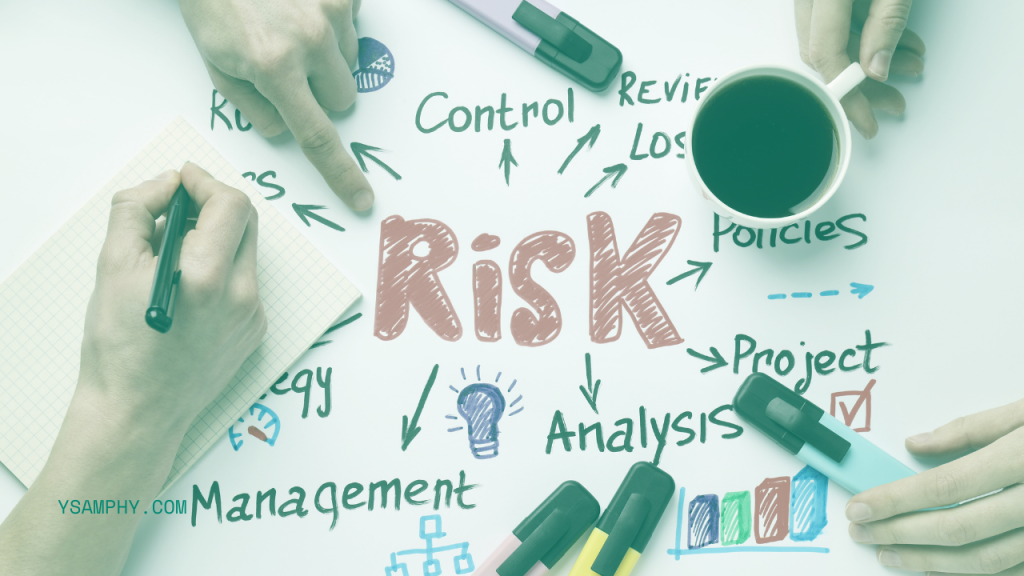
The first step in any risk management process is to identify potential threats. This involves a thorough analysis of both internal and external factors that could impact an organization’s financial health. Some common risk categories include:
- Market risk
- Credit risk
- Operational risk
- Liquidity risk
- Regulatory risk
It’s important to cast a wide net when identifying risks, as even seemingly minor issues can snowball into major problems if left unchecked. For instance, a company might need to consider the possibility of debt sold to another company, which could change the terms of repayment or affect credit ratings.
Assessing and Prioritizing Risks
Once potential risks have been identified, they must be assessed and prioritized. This involves evaluating the likelihood of each risk occurring and the potential impact it could have on the organization. By assigning a risk score or rating to each threat, decision-makers can focus their attention and resources on the most pressing concerns.
Developing Risk Mitigation Strategies
With a clear understanding of the most significant risks, organizations can develop strategies to mitigate them. This might involve:
- Implementing new policies and procedures
- Investing in technology or infrastructure
- Diversifying investments or revenue streams
- Purchasing insurance or other financial protection
The goal is to reduce the likelihood of negative events occurring or to minimize their impact if they do happen.
Monitoring and Reviewing
Risk management is an ongoing process, not a one-time event. Regular monitoring and review are essential to ensure that risk mitigation strategies remain effective and to identify new threats as they emerge. This might involve:
- Regular risk assessments
- Stress testing and scenario analysis
- Continuous improvement of risk management processes
Challenges in Risk Management
While the benefits of risk management are clear, implementing effective strategies can be challenging. Some common obstacles include:
Limited Resources
Many organizations, especially smaller ones, may struggle to allocate sufficient resources to risk management. This can lead to a reactive approach rather than a proactive one, leaving the company vulnerable to unexpected shocks.
Complexity and Interconnectedness
In today’s globalized economy, risks are often interconnected and can have far-reaching consequences. For example, a natural disaster in one part of the world can disrupt supply chains and impact businesses thousands of miles away. Understanding and preparing for these complex risk scenarios can be daunting.
Balancing Risk and Reward
While it’s important to mitigate risks, organizations must also be willing to take calculated risks to grow and innovate. Finding the right balance between risk aversion and entrepreneurial spirit is a constant challenge for many companies.
The Role of Technology in Risk Management
Advancements in technology have revolutionized the field of risk management. Big data analytics, artificial intelligence, and machine learning algorithms can help organizations process vast amounts of information to identify potential risks and develop more accurate predictive models.
However, technology also brings new risks, such as cybersecurity threats and data privacy concerns. As such, risk management strategies must evolve to address these emerging challenges.
Conclusion
In an increasingly uncertain world, effective risk management is more important than ever for maintaining financial stability. By implementing comprehensive risk management strategies, organizations can protect themselves from potential threats and position themselves for long-term success.
It’s worth noting that risk management is not just about avoiding negative outcomes. It’s also about creating a culture of resilience and adaptability that can help organizations thrive in the face of challenges.
Ultimately, risk management is not just a financial imperative – it’s a strategic necessity for any organization looking to succeed in today’s complex and ever-changing business environment. By making risk management a priority, companies can build a strong foundation for sustainable growth and long-term stability.