For many businesses, the journey from startup to successful venture is often marked by a scaling-up of store operations. More than merely expanding the size of a business, it involves a strategic blend of planning and adaptation to meet the evolving demands of a growing customer base.
Scaling up also requires entrepreneurs to navigate through various challenges and make wiser decisions about what aspects of their business to change, such as finding the best online payment processing solution for their website. Despite the complexities involved, however, scaling up can improve profitability and ensure long-term viability for a business—especially one involved in a field as competitive as e-commerce.
But if scaling up means expanding business headquarters or opening new branches for a predominantly brick-and-mortar business, what exactly does it mean in the context of e-commerce? At its core, scaling up store operations for an e-commerce business should involve accommodating increasing demand, reaching out to new markets, and capitalizing on emerging opportunities in the online world. An e-commerce entrepreneur who’s set their sights on scaling up in the next year should aim to optimize their processes, improve efficiency, and enhance the overall customer experience—all of which will lay the groundwork for continued growth and profitability.

To make the best out of your scaling-up experience, here’s a checklist to guide you through the intricacies of the process, geared towards minimizing the risks and maximizing the returns:
1) Set Clear Goals towards Expansion
Before embarking on the journey of scaling up, any e-commerce entrepreneur should define their business goals, and these should all be clear and achievable. Whether they pertain to doubling sales revenue, expanding product offerings, or entering new markets, such specific objectives will set the tone for success and align efforts across the whole organization.
Your goal-setting stage is the perfect time to identify strategic opportunities for scaling up your e-commerce business. Pinpoint areas with the highest growth potential to identify where to prioritize your efforts and how to allocate your resources in a way that will maximize your returns.
2) Assess Your Current Operations
A critical step in scaling up your store operations is conducting a thorough assessment of the business’s current operations. This involves evaluating various aspects, such as sales performance, inventory management, fulfillment processes, customer service standards, and technological infrastructure.
Find ways to gain insight into your existing strengths, weaknesses, and areas for improvement in your e-commerce operations. This will help you formulate tailored scaling strategies that will leverage your e-commerce business’s core competencies.

3) Establish a Secure Payment Process
One specific aspect of your e-commerce operations that you should scale up as soon as you need to is its payment processing. As the volume of transactions increases on your website, you’ll want to tighten payment security and increase payment efficiency to accommodate the scale of customers buying from you.
Look for a payment solution with SSL encryption and advanced fraud prevention protocols. You’ll also want a solution that adheres to the Payment Card Industry Data Security Standard (PCI-DSS). E-commerce entrepreneurs can explore payment gateway solutions like Maya Checkout to reliably facilitate card payments, digital wallet transfers, and QR code transfers and instill trust and confidence among customers.
4) Work with a Dedicated Logistics Partner
Any e-commerce entrepreneur looking to scale up their operations should find a logistics provider who can match their demand. The best logistics partner should be able to offer their expertise, infrastructure, and resources to streamline and improve your e-commerce business’s order fulfillment. Consider a partner who can help you with the entire order fulfillment process, from warehousing to shipping. This will allow you to focus on your core business activities while ensuring timely customer delivery.
Partnering with a dedicated logistics provider will also enable you to offer a wider range of shipping options to customers, including expedited shipping, international shipping, and same-day delivery. This flexibility can help attract new customers, increase sales, and improve customer satisfaction as a result.
When selecting a logistics partner, an e-commerce entrepreneur like you should consider factors like the company’s reputation, reliability, service offerings, geographic coverage, technology capabilities, and pricing structure. Ultimately, you should choose a logistics partner who aligns with your business goals and values and aim for a strategic partnership that will further drive up your efficiency and growth.
5) Streamline Your Processes
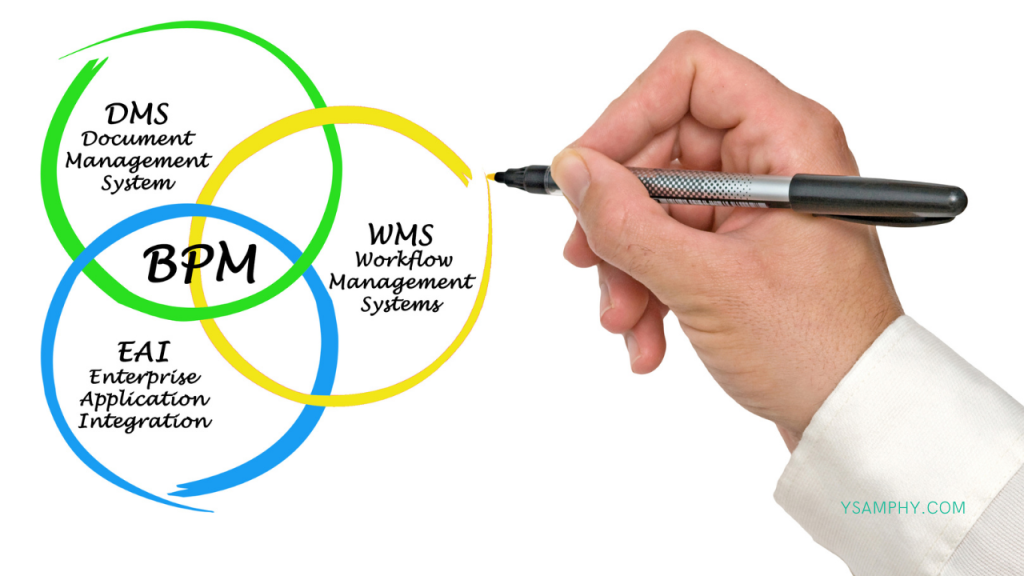
To support scalability and maintain operational efficiency, e-commerce entrepreneurs must also streamline their business processes wherever possible. This may involve automating repetitive tasks, optimizing workflows, eliminating bottlenecks in fulfillment or customer service, and standardizing procedures.
If you scale up, your business operations should improve instead of stagnate or get worse. Make it your goal to reduce manual errors, minimize costs, and improve productivity among your staff, all without sacrificing quality or customer satisfaction.
6) Build a Scalable Team
As e-commerce businesses scale up, they must also focus on building a capable and scalable team that can support their growth and adapt to changing needs. For you, this should involve hiring talented individuals, providing ongoing training and development opportunities for your staff, and fostering a culture of innovation and collaboration within your organization. This is what will allow you to build a “dream team” that can see you through various stages of your business growth and expansion.
7) Use Technology to Further Improve Your Customer Service
It may be harder to maintain personalized communication with your customers the larger your e-commerce business grows, but customer service will become even more important as you scale up. Fortunately, today’s e-commerce entrepreneurs can leverage a variety of customer data and automation tools to personalize interactions, address customer inquiries more promptly, and tailor their marketing messages to many individual preferences. Such efforts will make customers feel valued and understood, leading to greater brand loyalty and an increase in repeat purchases.
In addition to improving communication, e-commerce entrepreneurs must commit to effectively managing customer inquiries and support tickets. They can consider investing in streamlined support channels such as live chat, email, and phone support. A robust helpdesk system and self-service options like FAQs and knowledge bases should further empower your customers to find solutions to their queries independently, all while reducing the workload on your support teams.
To succeed at scaling up, you’ll need to carefully plan your next steps—and, most importantly, ensure that you’re in step with the demands of your industry and your target market. The tips listed above should help you be systematic about your scaling-up experience and come out of it more ready to serve a larger audience, capably and with integrity.