In the cacophony of modern marketing, standing out is both an art and a science. You’ve likely heard the phrase “visual branding” tossed around frequently, but have you explored the depths of its less-recognized but equally impactful sibling: sonic branding? Sonic branding, the strategic use of sound to build a brand identity and communicate with consumers, is rising as more companies awaken to the power of the ear in shaping perceptions.

Sonic branding is more than just a jingle; it’s about creating a comprehensive sound universe that bolsters your visual identity, making your brand instantly recognizable. This definitive guide will explore how to craft your sonic branding strategy and elevate your marketing efforts to a new level.
1. Know Your Brand and Audience
Understanding your brand’s core values, personality, and ethos is crucial in sonic branding. Each sound, melody, or rhythm you choose must reflect who you are as a brand – think of it as an audio logo that encapsulates your brand’s essence. Before diving into melodies and harmonies, ask yourself what your brand stands for. Is it youthful and energetic, or sophisticated and serene? Your sound should align with this identity, resonating with your audience on a subconscious level.
Likewise, knowledge of your audience is paramount. Demographics such as age, culture, and lifestyle can heavily influence musical tastes and receptivity. Conducting thorough market research to understand your target audience’s auditory preferences and media consumption habits will guide you in selecting tones and compositions that strike a chord with them. After all, the ultimate goal is to create a sonic signature that represents your brand and harmonizes with your audience’s expectations and emotions.
2. Leverage the Power of AI
The rise of AI technology has revolutionized various aspects of branding, and sonic branding is no different. Enter the realm of the AI music generator, a tool that harnesses artificial intelligence to create customized soundscapes and melodies. By leveraging such powerful AI, brands can develop unique audio content that resonates with their identity and appeals to their audience, all with a speed and precision that traditional methods cannot match.
Incorporating an AI music generator into your sonic branding strategy can be a game-changer, offering unprecedented personalization in music production. These AI-driven systems can analyze your brand’s values, audience preferences, and current market trends to produce distinctive sounds that elevate your brand’s sonic presence. This advanced technology streamlines the process and ensures that the final output is scientifically aligned with your brand strategy and emotionally compelling to your audience.
3. Create a Comprehensive Audio Style Guide
Similar to how visual branding has style guides that dictate color palettes, font choices, and logo usage, sonic branding requires its guidelines. This audio style guide is a reference for any sound your brand produces, ensuring consistency and coherence in the overall experience.
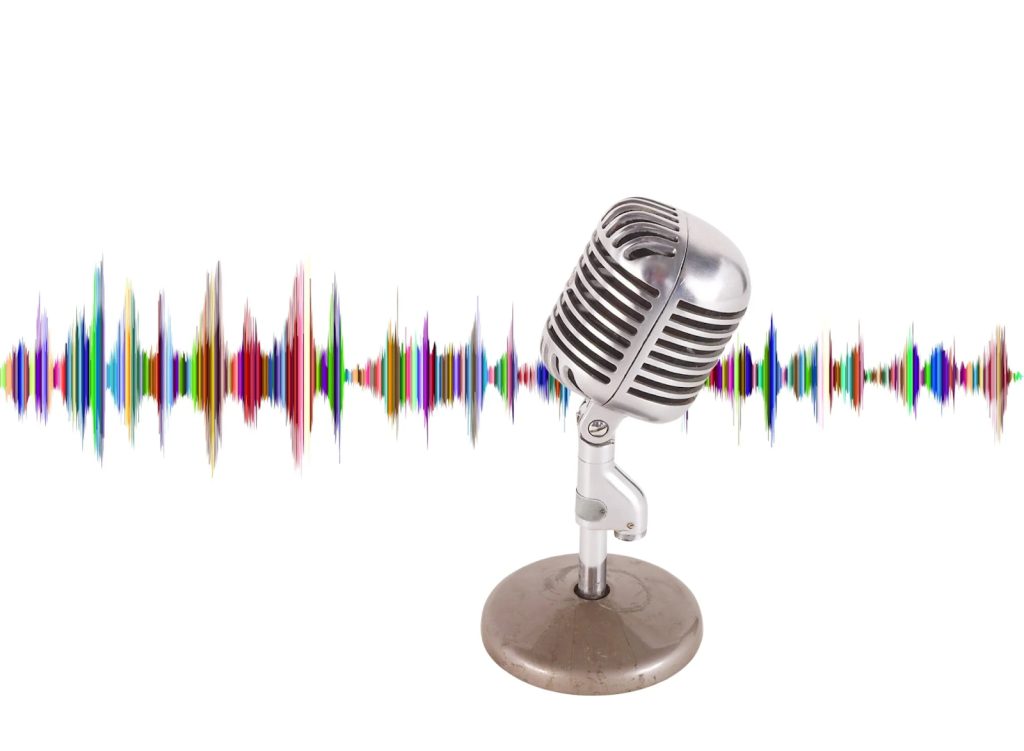
Your audio style guide should include all elements of your sonic brand – from the primary melody to secondary harmonies, sound effects, and voiceovers. It should also outline guidelines for using these elements in different marketing channels, such as TV commercials, radio ads, and social media videos. Creating a comprehensive audio style guide ensures that your sonic branding remains consistent across all touchpoints, reinforcing your brand identity each time it is heard.
4. Create a Sonic Logo
Creating a sonic logo is pivotal in cementing your auditory brand identity. This short and distinctive melody or sound sequence acts like a traditional logo, achieving brand recognition within seconds. The sonic logo should be carefully crafted to convey the brand’s essence succinctly and be memorable enough to linger in the audience’s minds long after they’ve heard it. It should capture the core message and personality of the brand, leveraging rhythm, pitch, and harmony to forge an emotional connection with the consumer.
When creating your sonic logo, prioritize its adaptability and recognizability. Aim for a sound that stands out across different media platforms, such as podcasts, apps, and commercials. Keep it simple for easy recall, yet unique enough to distinguish it in a noisy media environment. Integrating your sonic logo effectively in marketing boosts brand recall, increasing customer awareness and engagement.
5. Integrate Your Sonic Branding Across All Marketing Channels
Think of your sonic branding as a thread that weaves through the fabric of all your communications, from television ads and radio spots to digital content and even on-hold music. Each use of your sound should reinforce the brand’s identity and message, making it more familiar and connected to the consumer at every touchpoint. For this synergy to happen, you must have a strategic plan outlining where and how your sonic elements will be employed. This keeps the brand’s voice consistent, regardless of the platform.
In the digital era, your sonic brand should perform well on social media, where audio-visual content is impactful. Incorporate it in user experience design, like notification sounds in apps or ambient music in VR. Consider how sound can enhance physical interactions, e.g., in-store music or event presentations. Establish a subtle relationship with users for increased brand loyalty and recognition.
6. Continuously Monitor and Evolve Your Sonic Branding
As with any aspect of branding, it’s important to monitor the effectiveness of your sonic branding and be open to evolving it as needed. Regularly measuring brand recall and perception can give insights into how well your sound resonates with consumers. Similarly, tracking social media engagement and mentioning your sonic branding can provide valuable feedback on its impact.
In addition to monitoring, consider updating and adapting your sonic branding over time. Just as visual brand elements may need a refresh or rebranding, the same can be done for sound. Keep an eye out for changes in consumer trends, technological advancements, and shifts in cultural preferences that may warrant a change in your sonic branding strategy. The key is to always align your sound with the core identity and values of the brand while remaining relevant and appealing to your audience.
As you venture into the world of sonic branding, remember that the sounds you craft today will be the echoes of your brand tomorrow. Brands that engage with sonic branding strategically can cut through the noise of the marketplace and capture the elusive attention of today’s consumers. Embrace sonic branding as an integral part of your marketing mix, and you’ll give your brand a voice that will be heard and remembered. Let the sound of your brand shape not just what people see but what they feel.