Software development is a complex and ever-evolving field that requires a meticulous approach. From defining the scope of a project to writing code and testing, each step must be carefully planned and executed for a successful result. Developers have various methods at their disposal to streamline this process, and one such method is storyboarding. In this article, we will delve into the concept of storyboarding and how it can be utilized in software development.
What is Storyboarding?
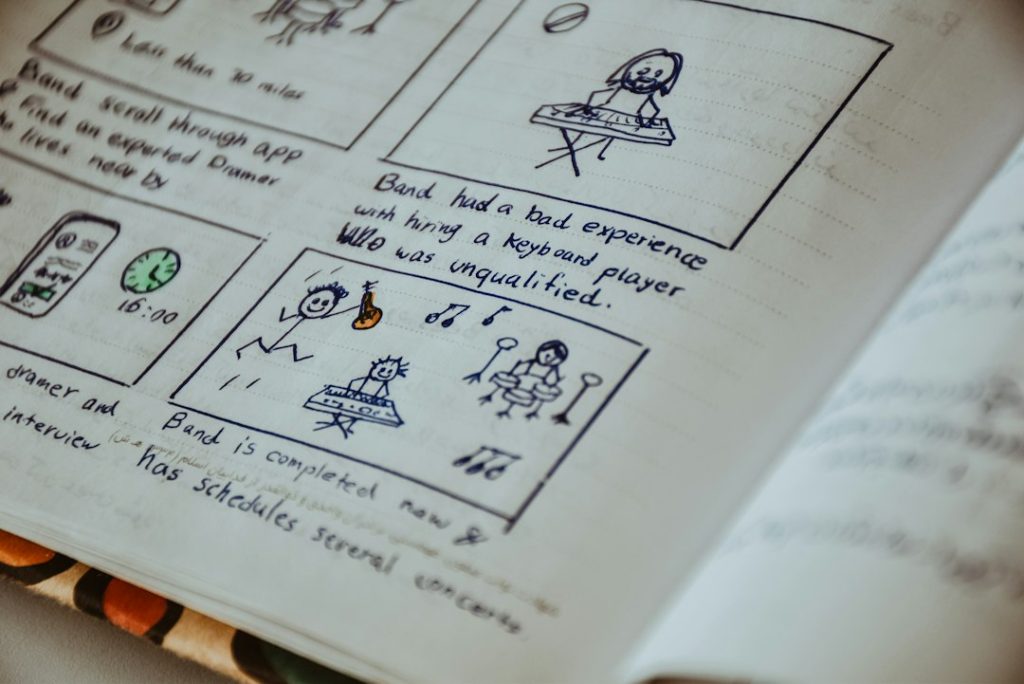
Storyboarding is a visual technique, traditionally used in the film industry, that involves plotting out scenes on a storyboard to pre-visualize a motion picture, animation, or interactive media sequence. This technique has been adapted in software development as a means to map out user interfaces, experiences, and the flow within an application. It allows developers and stakeholders to get a tangible sense of how users will interact with the software, ensuring that the final product aligns with user needs and expectations. That said, storyboarding solved the challenges of envisioning complex software projects and communicating them effectively with the team. Even better, it provides a platform for early feedback and iterations.
Why Use Storyboarding in Software Development?
Apart from the benefits mentioned above, there are several other reasons why storyboarding is an effective tool in software development.
Visual Planning
Visual planning through storyboarding provides a storyboard provides a clear, illustrative roadmap, facilitating the identification of the necessary functionalities before coding begins. It acts as a common language, breaking down complex ideas into simple visual stories, and making it easier for both the technical and non-technical team members to understand the project’s goals.
Thanks to the integration of user experience (UX) design principles, storyboarding also ensures that the user remains at the forefront of development, aligning the software features with user behavior patterns and preferences.
Improving Communication
Storyboarding improves communication within the development team and with stakeholders. It allows developers to present their ideas in a tangible, visual format that is easier for everyone to understand compared to abstract technical documents or code.
Furthermore, storyboarding enables stakeholders to provide feedback at an early stage of development, before significant resources have been invested. The visual nature of storyboards makes it easier for stakeholders to provide constructive criticism and suggest improvements so that the final product better aligns with their vision.
Clarifying Requirements
Storyboarding can also clarify requirements by visualizing the entire flow of a software application. This ensures that all parties involved have a shared understanding of how the software will function, reducing confusion and potential misunderstandings.
Storyboarding allows for easier identification and prioritization of features and functionalities. Break down complex systems into smaller, more manageable components on a storyboard, ensuring that every aspect of the software development process is clear and organized.
Enhanced Collaboration
Enhanced collaboration is yet another benefit of implementing storyboarding in software development. It provides a level playing field, allowing team members from different departments—engineers, designers, project managers, and clients—to come together and contribute their diverse perspectives. For businesses seeking professional development teams that excel in this collaborative approach, Cincinnati, OH Software Development Agencies can be a valuable resource.
During storyboard discussions, developers may uncover technical constraints while designers focus on user interface and experience, ultimately resulting in a more balanced and user-centric product. Team brainstorming sessions become far more productive, as storyboards visually capture and integrate all suggestions on-the-fly. This consensus-building tool can be especially useful in agile development environments where iteration is constant and user feedback is integral.
Risk Reduction
Utilizing storyboarding can significantly reduce project risks by early identification of potential problems and misalignments with user expectations. Since it provides a blueprint of the product before the development cycle begins, it helps avoid costly mistakes that might require reworking post-development. By forecasting user scenarios, storyboarding can foresee and address usability issues, ensuring the product is right the first time around.
Streamlining User Testing
Another advantage of storyboarding is the facilitation of user testing processes. Before committing to the technical building phase, storyboards can be used to test the concepts with potential users. Gathering user feedback on a visual representation of the project allows for a more informed iteration process, greatly refining the product’s usability and acceptance by the target audience.
Increasing Efficiency
Efficiency across the development lifecycle is heightened through the utilization of storyboards. By providing a clear-cut template of the project, developers spend less time interpreting requirements and more time coding effectively. This reduction in time spent on misunderstandings can expedite the delivery of the final product, simultaneously saving time and reducing costs.
Project Documentation
Finally, storyboards serve as excellent project documentation tools. They record the evolution of the project’s conceptualization and provide a historical account of decisions made throughout the developmental stages. This can be invaluable for referencing in future projects, training new team members, or conducting post-project reviews.
How to Use Storyboarding in Software Development
Using storyboarding for software development requires a structured approach. Here are some tips to help you get started:
- Define the project scope: Before starting storyboarding, have a clear idea of what your project aims to achieve and who the target users are. This will help you create an accurate representation of the software’s functionality and flow.
- Collaborate with stakeholders: Collaborate with stakeholders, including clients, users, and other team members to gather feedback and ideas for the storyboard. This ensures that everyone is on the same page and helps to avoid misunderstandings later on.
- Choose the right tools: There are several tools available for creating storyboards, from traditional pen and paper to digital software. Choose the one that works best for your team and project needs.
- Keep it simple: Storyboarding is meant to simplify complex ideas, not complicate them further. Keep your storyboard clear and concise, using only the necessary details to convey your ideas.
- Iterate and revise: Storyboarding is an iterative process, so don’t be afraid to revise and make changes as needed. This allows for continuous improvement and helps to refine the final product.

Storyboarding is a powerful tool that can significantly enhance the software development process. By blending visual planning, improved communication, clarified requirements, and enhanced collaboration, storyboarding allows for a more integrated approach to creating software that is truly in line with user needs.
Implementing this technique can result in a more successful end product and engaged development team. Whether you are a project manager, developer, or designer, incorporating storyboarding into your workflow is sure to bring substantial benefits to your project.