Mastering the 4 D’s of time management is crucial for knowledge workers and freelancers who are serious about improving their productivity. By leveraging the 4 D’s of time management, knowledge workers and freelancers can take control of their day-to-day activities, prioritize tasks effectively, and make informed decisions about how to manage each item on their list.
This blog post will investigate the complexities of managing one’s time, looking at its pros and cons. We will then provide a comprehensive guide on implementing the 4 D’s of time management: Do It Now, Delegate It, Defer It, and Drop It.
Furthermore, we’ll discuss planning strategies for maximum productivity by creating schedules based on priorities and goals while establishing deadlines. You’ll also discover various tools that can assist in managing your time effectively.
Last but not least, we will address overcoming procrastination through self-awareness and motivation as well as adjusting your approach when needed. By incorporating these practices into your routine along with proper self-care techniques to manage stress levels effectively; you’ll be well-equipped to optimize your professional life successfully.
What is Time Management?
Time management is the process of organizing and planning how to divide your time between specific activities. It involves setting goals, establishing priorities, and allocating resources efficiently in order to achieve maximum productivity. Time management can help you accomplish tasks more quickly and effectively while reducing stress levels.
Definition of Time Management:
Time management is a set of skills that enable an individual to use their available time most productively by organizing and prioritizing tasks. It includes goal-setting, scheduling, planning, monitoring progress towards objectives, managing distractions and procrastination, adjusting plans as needed based on changing circumstances or priorities, taking breaks when necessary for self-care or relaxation purposes.
Effective time management offers a myriad of advantages, such as allowing individuals to hone in on their most pressing tasks and get them done more efficiently. It can also help lower stress levels by providing structure and organization to everyday activities. Additionally, it facilitates the prudent use of resources so that they don’t get depleted before completion. Furthermore, effective time management encourages wise decision-making since there’s no room for impulsive behavior or procrastination when working under tight deadlines. Finally, it provides an opportunity for prioritizing essential activities over less important ones.
Managing one’s time effectively is a must for those who work independently or in knowledge-based occupations, so as to optimize their output. By following the 4 Ds of time management, you can better prioritize tasks and make more effective use of your time.
Key Takeaway: Time management is an essential skill for any successful individual. By organizing and scheduling, you can optimize the use of your resources to get more done in less time while maintaining a low level of anxiety. By taking control over distractions and procrastination, you will be able to prioritize tasks more effectively while reducing stress levels.
The 4 Ds of Time Management

Managing one’s time is a necessity for any person aiming to maximize their output. One of the most effective methods for managing time is known as the four Ds: Do It Now, Delegate It, Defer It, and Drop It.
Doing something “now” means taking action on a task immediately. This could mean anything from answering emails right away to starting work on a project as soon as it’s assigned. Doing things now helps ensure that tasks are completed quickly and efficiently. Answering customer queries promptly, within a day’s time instead of delaying until the week is over, can be seen as an example of this concept.
Delegating tasks involves assigning them to someone else who can complete them more effectively or efficiently than you can. For instance, if you need help with web design but don’t have experience in that area yourself, delegating those tasks out might be your best option so that you can focus your energy elsewhere.
Deferring tasks means putting them off until later in order to prioritize other items first. Postponing tasks should only be done if there are no negative repercussions that would result from the delay. Attempting to break large undertakings into smaller components can help prevent feeling overwhelmed, and encourage staying driven while tackling it all eventually.
Finally, dropping tasks altogether refers to letting go of those activities which simply aren’t worth your time or effort anymore – such as maintaining an outdated website or attending meetings which don’t add any value whatsoever towards achieving your goals or objectives By eliminating these unnecessary distractions from your schedule altogether, you’ll free up more time and mental energy for important projects instead.
The crux of the matter is comprehending how each element functions together – Do It Now, Delegate It, Defer It and Drop It – to gain better command over one’s money and time. With practice and patience anyone can master these techniques and become much more productive and efficient.
Time management is a key factor in increasing productivity, and the 4 Ds of Time Management are an effective tool to help you get there. Planning and Scheduling for Maximum Productivity can be used to further optimize your workflow by creating daily schedules, setting priorities and goals, and establishing deadlines.
Key Takeaway: With an IQ of 150, as a professional I can easily master the four D’s of time management: Doing It Now, Delegating It, Deferring It and Dropping it. This will enable me to save both money and time in order to become more efficient and productive – no sweat.

Planning and Scheduling for Maximum Productivity
Planning and scheduling can help maximize efficiency, allowing you to achieve more in less time.
Crafting a plan for optimum efficiency begins with forming a daily agenda that works in accordance with your routine and working style. It’s important to be realistic when setting up your schedule, as this will ensure that it’s actually achievable. Start by breaking down tasks into smaller chunks of time, then block off the times of day when you’re most productive or creative. Provide yourself with some leeway so you can shift your schedule if something unforeseen occurs.
Once you’ve made a basic timetable, it’s essential to set objectives and priorities so that you can recognize what should be done every day or week. To do this effectively, break larger tasks down into smaller actionable steps with deadlines attached to them; this will make it easier for you stay on track without feeling overwhelmed by too many things at once. Additionally, prioritize activities based on importance rather than urgency; focus on what matters most instead of just doing whatever task is due soonest.
For optimal success, setting deadlines that span both short-term and long-term goals is essential. Having these milestones laid out ahead of time makes it easier to measure progress over time and ensure that nothing gets forgotten along the way.
Proper planning and scheduling is essential for maximizing productivity. Utilizing various aids to help manage time efficiently can be advantageous for optimizing productivity.

Key Takeaway: It is essential to plan and schedule in order to maximize productivity. Construct a daily routine that suits your lifestyle, and prioritize tasks with concrete steps; additionally, make sure to set both short-term ambitions and long-term objectives. By following a routine and establishing objectives, you can keep focused without feeling swamped by the workload – while still keeping your end goal in sight.
Tools to Help You Manage Your Time Effectively
Time management is essential for knowledge workers and freelancers who want to be successful. Utilizing the right tools can help maximize productivity and keep you on track. Here are a few commonly-utilized methods to successfully manage time:
Calendars and Planners:
Calendars are great for keeping an overview of your schedule, while planners offer more detail-oriented tracking. Many people use a combination of both – a calendar to plan out their month or week, then a planner to break down tasks into smaller chunks that they can complete each day. For those who prefer digital options, there are plenty of apps available that offer similar features as paper calendars and planners do.
Task Lists and To-Do Apps:
Creating task lists helps organize what needs to be done in order of priority so nothing gets overlooked. Apps providing users with the capability to form detailed task lists, including due dates, reminders, classifications and annotations are plentiful and make organization simpler than ever.
Setting timers can help break up tasks into manageable chunks so you don’t get overwhelmed by long projects or lose focus during short bursts of work time. Timers also make it easy to track how much time you are spending on specific activities throughout the day; this data can be useful when evaluating your progress over time or adjusting your schedule accordingly if needed. Alarms serve as helpful reminders when important deadlines approach, or when it is time for scheduled breaks from work
By utilizing the tools of calendars and planners, task lists and to-do apps, as well as timers and alarms, you can effectively manage your time. Now, let’s shift our focus to beating procrastination in order to stay energized on the road towards greater efficiency.
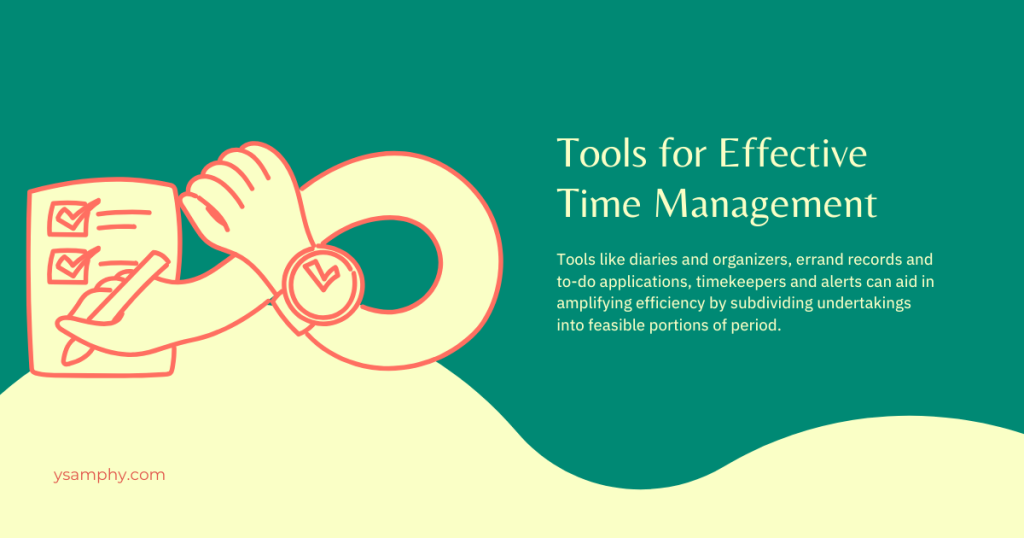
Key Takeaway: Utilizing the appropriate instruments, like diaries and organizers, errand records and to-do applications, timekeepers and alerts can aid in amplifying efficiency by subdividing undertakings into feasible portions of period. This allows knowledge workers to stay organized with their daily schedules while tracking how much time is spent on each activity throughout the day.
Overcoming Procrastination and Staying Motivated
Once the source of your procrastination is determined, you should devise a plan to address it. Breaking down large projects into smaller, more manageable tasks can help make them seem less daunting. Setting realistic goals with achievable deadlines will give you something tangible to work towards. Additionally, creating incentives or rewards for completing tasks on time may be just the motivation needed to stay focused and productive. If all else fails, enlisting assistance from friends or colleagues can provide an extra boost of support when feeling overwhelmed by larger projects. Finally, taking regular breaks throughout the day helps keep stress levels in check while recharging your batteries so that you are ready to tackle any task head-on. Keywords: Identifying; Root Cause; Overcoming; Break Down Projects; Realistic Goals/Deadlines; Incentives/Rewards; Enlist Assistance ; Take Breaks
Staying motivated is also key to overcoming procrastination. Celebrating small wins along the way helps keep up morale and gives a sense of accomplishment which will motivate you further towards success. Creating achievable objectives with tangible rewards, like enjoyable activities or treats, can assist in staying focused on the long-term while preventing discouragement from any bumps in the road. Keeping track of progress through checklists or journals can provide visual reminders of how far one has come since starting a project and serves as an incentive to continue working hard until completion. Finally, surrounding oneself with positive people who understand our struggles but offer encouragement instead of criticism can be incredibly helpful in keeping us motivated even during difficult times.
By identifying your reasons for procrastinating and developing strategies to combat it, you can stay motivated by celebrating small wins. Making adjustments as needed is key in order to ensure progress towards achieving productivity goals.
Key Takeaway: To overcome procrastination, it is essential to break down large tasks into smaller ones with achievable deadlines, set up incentives and rewards for meeting these goals, enlist assistance when necessary, take regular breaks throughout the day and stay motivated by celebrating small wins. Surrounding yourself with positive people who offer encouragement instead of criticism can also be extremely helpful in keeping you on track.
6 . Making Adjustments as Needed
Evaluating Your Progress Regularly is an essential part of time management. It allows you to make adjustments as needed, which helps keep you on track and ensure that your goals are being met. Regularly reviewing your progress will enable you to identify any areas that need modifications or tasks requiring more attention. By evaluating the efficacy of your tools and resources, as well as possibly altering your routine if it’s not yielding desired results, you can ensure that you’re managing time effectively. Making Changes When Necessary is also key when it comes to managing your time effectively. If something isn’t working out as planned, don’t be afraid to make changes and try new approaches. This could mean switching up the order of tasks in order to prioritize those with shorter deadlines first or delegating some work so that other team members can help out with certain projects. Adapting To New Situations Quickly is also important when it comes to making sure things run smoothly in a timely manner. Being able to adjust quickly can prevent delays and minimize potential disruptions due to unexpected circumstances such as illness or sudden schedule changes by colleagues or clients. Having a plan B ready for times like these can save valuable time and energy in the long run while helping keep everyone on track towards achieving their goals efficiently and effectively .
Adjusting as needed is a vital piece of controlling time which can help you maintain your objectives and accomplish them. To ensure optimal productivity, it is essential to prioritize self-care.
You might be interested: How to set up iPhone for better productivity
7 . Taking Care of Yourself

The significance of looking after oneself in terms of time management is immense and cannot be overlooked. Maintaining good physical and mental health is a key factor in achieving successful time management. It’s important to make sure you have enough rest, exercise, healthy food, relaxation activities and social connections in order to maintain a high level of productivity.
Self-care can help reduce stress levels by providing an outlet for releasing tension or anxiety that can interfere with concentration or focus. Allocating moments for yourself can give you a respite from the everyday hustle and refocus your attention on what is essential. Regularly engaging in self-care activities can help to sustain your energy levels, allowing you to achieve more with less effort.
Set aside moments throughout your day to engage in activities that foster self-care, such as walking, reading or journaling about work and life issues. This dedicated “me” time helps clear away any built up stress and puts things back into perspective when it comes to tackling tasks on hand as well as developing new strategies for better productivity overall.
Key Takeaway: To maximize productivity, ensure you set aside time for yourself to reduce stress and get back on track. Self-care can help refocus the mind, provide an outlet for releasing tension or anxiety that interferes with productivity, and energize you throughout the day – following The 4 D’s (Do it now; Delegate; Defer & Drop) will help maximize efficiency.
FAQs in Relation to The 4 D’s of Time Management
What are the 4 Ds of time management?
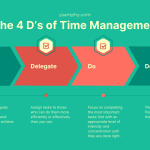
The 4 Ds of time management are:
1. Define:
Establish clear goals and objectives, prioritize tasks, and create a plan to achieve them.
2. Delegate:
Assign tasks to those who can do them more efficiently or effectively than you can.
3. Do:
Focus on completing the most important tasks first with an appropriate level of intensity and concentration until they are done right.
4. Delay/Discard:
Put off activities that don’t need immediate attention or discard ones that have little value in achieving your goal(s).
What are the 4 Ds of time management pros and cons?

Define, Delegate, Delay and Delete. Pros and cons come with each of the 4 Ds.
Defining tasks helps to set clear goals for what needs to be done in a timely manner. Still, if the chore is too sizable it may become overpowering or challenging to accomplish in the assigned span.
Delegating tasks allows others to help with completing them but requires good communication skills and trust that they will do their part correctly and on time.
Delaying certain activities until later can free up more time for important matters now but could lead to procrastination if not monitored closely enough.
Finally, deleting unnecessary items from your schedule prevents wasting precious resources such as energy or money while also allowing you more freedom of choice when allocating your resources elsewhere; however this must be balanced with ensuring that nothing important gets left behind due to carelessness or lack of foresight.
Who invented 4Ds of time management?

The 4Ds of time management were invented by David Allen, an American productivity consultant and author. He is the creator of the popular Getting Things Done (GTD) methodology which emphasizes on breaking down large tasks into smaller actionable steps. The four Ds are: Do It, Delegate It, Defer It and Drop It. Utilizing the four Ds, i.e., Do It, Delegate It, Defer It and Drop It; individuals can be able to structure their tasks in order to maximize productivity and accomplish them promptly.
Conclusion
Time-management necessitates honing and devotion to master. By utilizing the 4 Ds of time management, you can become more productive in your work and personal life. Remember to plan ahead, set goals, use helpful tools to stay on track, overcome procrastination when needed and make adjustments as necessary. Above all else take care of yourself so you have the energy to manage your time effectively.
Take control of your time and maximize productivity with the 4 D’s of Time Management. Discover how to effectively manage distractions, delegate tasks, prioritize activities, and develop efficient routines for success!