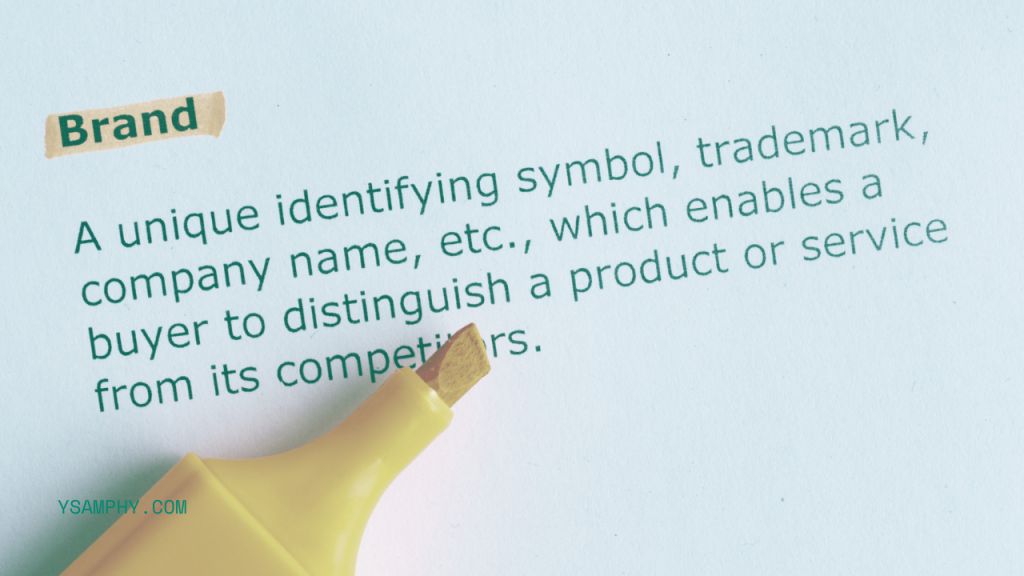
A strong brand identity serves as the foundation of your business, shaping how it is perceived and remembered by customers. It is more than just a logo or a tagline; it’s the essence of your values, mission, and what sets you apart from competitors. A well-crafted brand identity attracts attention and builds trust and loyalty among your audience. By developing a clear and consistent identity, you create a lasting impression that resonates with your target market. This guide will walk you through actionable steps to create a brand identity that stands out and supports your business growth.
Define Your Brand’s Core Values and Mission
A strong brand identity starts with defining your core values and mission. These elements act as the guiding principles for your business and inform every decision, from the products you offer to how you interact with customers. When you consider branding strategies for Melbourne companies, for example, aligning these core values with the cultural and market-specific nuances of the region can make your brand more relatable. By clearly articulating what your business stands for and why it exists, you set the stage for a meaningful connection with your audience.
Research Your Target Audience
Understanding your target audience is fundamental to building a brand identity that resonates. Invest time in gathering insights into your ideal customers’ demographics, behaviors, and preferences. Are they looking for innovation, reliability, or luxury? This knowledge allows you to tailor your messaging, visual elements, and overall approach to meet their expectations. Engaging directly with your audience through surveys, interviews, or social media interactions can provide valuable insights and help shape a brand identity that feels personal and relevant.
Craft a Memorable Visual Identity
Your visual identity is the face of your brand. It includes your logo, color scheme, typography, and overall design aesthetic. These visual elements should be consistent across all platforms and materials to create a unified and recognizable presence. Work with experienced designers to create visuals that are both aesthetically pleasing and reflective of your brand’s values. A bold and consistent visual identity enhances brand recognition and leaves a lasting impression on customers.
For example, colors evoke emotions; blue often represents trust and reliability, while yellow conveys energy and optimism. Typography can signal formality, creativity, or approachability. When combined thoughtfully, these elements give your brand its unique visual voice.
Develop a Unique Brand Voice and Tone
The words you use and the tone in which you communicate shape how your audience perceives your brand. Whether you opt for a formal, professional tone or a casual, conversational one, consistency is key. Your brand voice should reflect your values and appeal to your target audience. For instance, a technology brand catering to young professionals might use an energetic and innovative tone, while a luxury brand might opt for a sophisticated and elegant approach.
Maintaining this consistency across all communications—including website copy, social media posts, and customer service interactions—builds trust and reinforces your brand’s personality. A distinct and reliable brand voice ensures your messaging stands out in a crowded market.
Create a Compelling Brand Story
A compelling brand story humanizes your business and fosters emotional connections. This narrative should highlight your journey, from inception to present, and communicate the passion and purpose driving your efforts. Share the challenges you’ve overcome and the values that guide your actions.
If your business was born out of a desire to solve a specific problem, let your audience know. Highlighting these personal and relatable aspects can make your brand more engaging and memorable. Customers who feel connected to your story are more likely to remain loyal and advocate for your brand.
Build a Strong Online Presence
In a world dominated by digital interactions, your online presence is integral to your brand identity. Your website, social media profiles, and other digital platforms serve as extensions of your brand. Ensure that these platforms reflect your values, tone, and visual identity consistently.
Your website should be user-friendly, visually appealing, and optimized for both desktop and mobile use. Social media offers opportunities to showcase your brand’s personality, engage with your audience, and share your story. Regularly updating your content and interacting with followers builds trust and strengthens your brand’s online visibility.
Content marketing is another valuable tool for enhancing your online presence. Blog posts, videos, and infographics that align with your brand’s mission can position your business as a thought leader in your industry. High-quality, engaging content attracts and retains customers while reinforcing your brand identity.
Foster Emotional Connections with Your Audience
Brands that evoke emotions create stronger, longer-lasting relationships with their customers. Think about how your products or services make people feel and incorporate those emotions into your branding efforts. For instance, if you’re selling eco-friendly products, emphasize the sense of responsibility and contribution customers feel when choosing your brand.
Engage with your audience on a personal level through customer testimonials, user-generated content, and storytelling. Sharing real-life examples of how your brand has positively impacted others adds authenticity and builds trust. Customers are more likely to connect with brands that make them feel valued and understood.
Regularly Assess and Refine Your Brand
Building a brand identity is not a one-time task. Regularly assess how your brand is perceived and make adjustments as needed. This can involve refreshing your visual identity, revisiting your brand voice, or adapting to shifts in your target audience’s preferences. Customer feedback, market trends, and analytics are valuable tools for identifying areas for improvement.
If your brand identity no longer aligns with current customer expectations, consider updating your logo, revamping your website, or exploring new channels to reach your audience. Keeping your brand adaptable ensures that it remains relevant and competitive in a constantly evolving market.

Developing a brand identity is a thoughtful and ongoing process that requires alignment between your values, audience, and messaging. By defining your mission, creating a consistent visual and verbal identity, and engaging meaningfully with your audience, you can build a brand that stands out and builds lasting loyalty. Regularly evaluating and refining your efforts ensures that your brand remains relevant and resonates with your audience, laying the groundwork for sustained success.