Driving organic traffic to your website is crucial for growth and success. Unlike paid advertising, organic traffic delivers sustainable results by building trust and authority with your audience. The key to attracting more organic visitors lies in optimizing your website and content with strategies that align with search engine algorithms and user preferences. Here’s a comprehensive guide to help you transform your website with proven traffic-boosting techniques.
Master the Art of Keyword Research
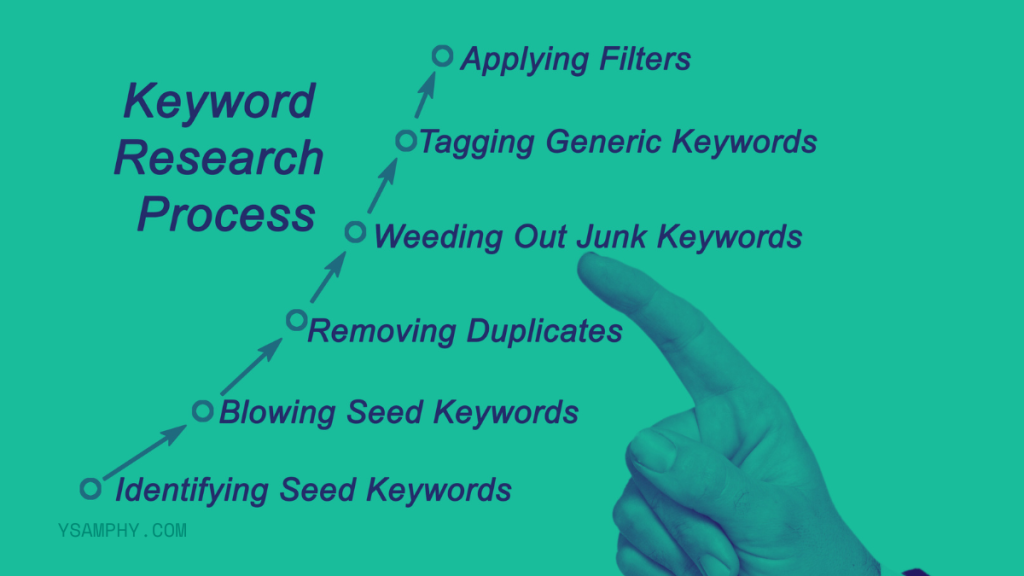
Keyword research forms the foundation of any successful organic traffic strategy. By understanding the search terms your audience uses, you can create content that directly addresses their needs and interests. The right keywords help your website rank higher in search engine results, making it more visible to potential visitors.
To start, use tools like Google Keyword Planner, Ahrefs, or SEMrush to identify high-volume and low-competition keywords relevant to your niche. Focus on long-tail keywords—phrases with three or more words—as they often have less competition and attract highly targeted traffic.
Incorporate your chosen keywords strategically into your website’s content, including titles, headings, meta descriptions, and body text. However, avoid keyword stuffing, as this can harm your rankings and reduce readability. Instead, aim for natural integration that enhances the flow and relevance of your content.
Optimize Your On-Page SEO
On-page SEO involves optimizing individual web pages to improve their ranking and attract more organic traffic. This includes a combination of technical and content-based strategies that make your website more appealing to search engines and users.
Start by ensuring that your website has a clean, intuitive structure. Use descriptive and keyword-rich URLs for your pages, and include alt text for all images to improve accessibility and search engine understanding.
Meta tags are another critical element of on-page SEO. Craft compelling meta titles and descriptions that include relevant keywords and entice users to click on your link in search results. Focus on improving your website’s loading speed and mobile-friendliness, as both factors significantly impact user experience and search engine rankings.
High-quality internal linking is another effective way to boost on-page SEO. Link relevant pages within your website to guide users through your content and help search engines understand your site’s structure.
Create High-Quality, Value-Driven Content
Content is king when it comes to driving organic traffic. Search engines prioritize websites that offer valuable, relevant, and engaging content to their users. To create content that ranks well and resonates with your audience, focus on answering their questions and solving their problems.
Start by identifying your audience’s pain points and interests. Use tools like Answer the Public or Google Trends to uncover popular topics and tailor your content accordingly. Include actionable tips, detailed explanations, and real-world examples to make your content practical and relatable.
Diversify your content formats to cater to different audience preferences. Blog posts, how-to guides, videos, infographics, and podcasts are all effective ways to engage users and keep them coming back for more. Consistency is key, so establish a regular publishing schedule to build momentum and grow your audience over time.
Build High-Quality Backlinks
Backlinks are one of the most influential factors in search engine rankings. These are links from other websites that point to your content, signaling to search engines that your site is credible and valuable. Building high-quality backlinks is an essential strategy for driving organic traffic.
To earn backlinks, focus on creating shareable content that other websites will want to link to. For example, in-depth guides, industry reports, and unique research are excellent resources that naturally attract links. Additionally, engage in outreach efforts to connect with bloggers, journalists, and industry influencers who may be interested in sharing your content. The experts behind SERP Empire note that building a natural backlink profile is crucial for long-term success. Avoid spammy practices like purchasing links or engaging in link exchanges, as these can lead to penalties from search engines. Instead, focus on earning links through authentic relationships and exceptional content.
Leverage Social Media to Drive Traffic
While social media traffic isn’t directly considered organic, it can play a significant role in amplifying your reach and boosting organic search rankings. When you share content on platforms like Facebook, Twitter, or LinkedIn, you increase its visibility and encourage others to link to it.
Optimize your social media profiles to reflect your brand and include links to your website. Share engaging and informative posts regularly, and interact with your audience to build relationships and trust. Consider using visual content like images and videos, as these tend to perform better on social media platforms.
In addition to sharing your own content, engage with other creators in your industry by commenting on their posts and sharing their work. Building a community around your brand can help you gain credibility and attract more visitors to your website.
Improve User Experience (UX)
Search engines prioritize websites that provide an excellent user experience, as this aligns with their goal of delivering the best possible results to users. By focusing on UX, you can increase the amount of time visitors spend on your site and reduce bounce rates, both of which contribute to higher rankings.
To enhance UX, start by improving your site’s navigation. Ensure that users can easily find the information they’re looking for with a clear menu structure and intuitive design. Make your website mobile-friendly, as a significant portion of web traffic comes from mobile devices.
Other factors to consider include minimizing pop-ups, providing clear calls to action, and optimizing your site for accessibility. Tools like Google Analytics can help you identify areas for improvement by showing you how users interact with your site.
Focus on Local SEO
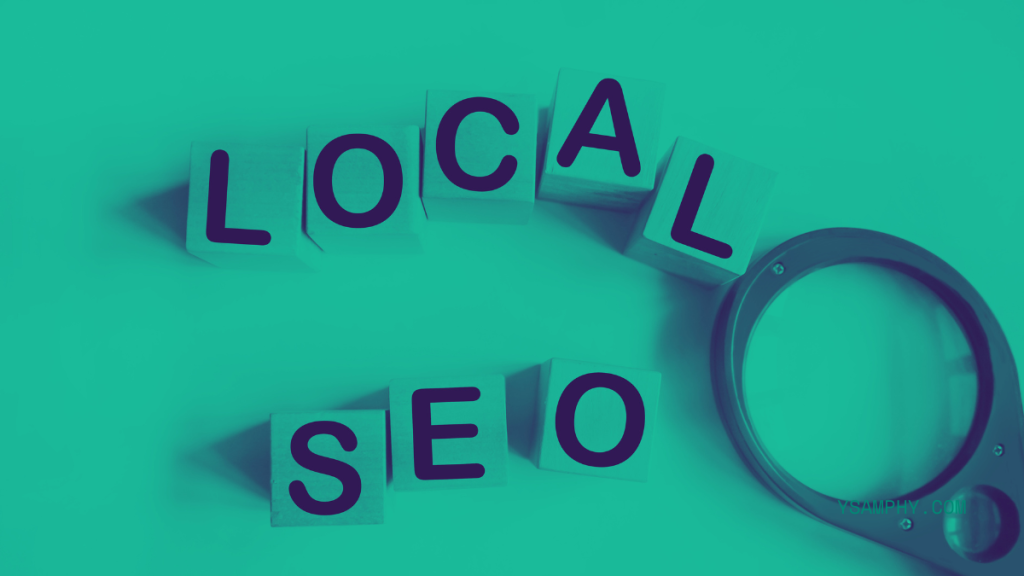
If your business has a physical location or serves specific geographic areas, local SEO is a powerful tool for driving organic traffic. Local SEO helps your website rank higher in search results for location-based queries, making it easier for potential customers in your area to find you.
Start by creating a Google My Business profile and ensuring that your information—such as name, address, and phone number—is accurate and consistent across all platforms. Encourage satisfied customers to leave positive reviews, as these can boost your visibility and credibility.
Optimize your content with location-specific keywords. For example, instead of targeting “plumber services,” focus on “plumber services in New York City.” Including location-based terms in your titles, meta descriptions, and body text helps you connect with a local audience.
Driving organic traffic to your website takes time and effort, but the rewards are well worth it. By implementing strategies like mastering keyword research, optimizing on-page SEO, and creating high-quality content, you can attract more visitors and build a loyal audience. Whether you’re focusing on backlinks or leveraging local SEO, these techniques provide a solid foundation for long-term success. With dedication and consistency, you can transform your website into a powerful tool for growth and engagement.