VPNs (Virtual Private Networks) are programs used to mask people’s identities online. More people are using them than ever before. It’s not hard to see why their use has become so prolific when you consider the vast number of threats posed to users of the internet. Cybercriminals are highly advanced and have a whole arsenal of tools at their disposal that they can employ in digital attacks. This post plans to explore this topic so that you can get a better understanding of how VPNs can protect your business’s data (and how to make sure you can get your hands on a good one).

Kill Switch Capabilities
A VPN kill switch is a setting that kicks in when a VPN connection drops, temporarily terminating your device’s internet connection. You can keep your data secure with PrivateVPN’s kill switch, for instance, which will prevent you from being exposed if your VPN connection ever does drop. Kill switches restore the internet connection once your VPN server has been reactivated. Kill switches are great if you plan on using public Wi-Fi networks or you are concerned that somebody is monitoring your online movements, as they can keep you fully anonymous.
You might be wondering, ‘Why are kill switches necessary?’ and the answer’s quite clear: if your IP address is exposed for even a few seconds, criminals could use it to commit a crime. As a business owner, you likely work with very sensitive data on a daily basis. If a customer’s data falls into the hands of criminals, you could be held accountable. Since you are responsible for the safe and proper management of customer data, you need to make sure that you do everything you can to keep it safe. Ensuring the VPN you use has a kill switch is one way of doing this.
Ensuring Data Privacy
Data privacy is something you always need to keep in the back of your mind as a business owner. You will likely encounter people’s personal information and data on a daily basis. The way that you manage and handle this data will define your reputation. As mentioned in the previous section, mishandling customer data can lead to you getting into trouble, as you will be held accountable if it’s leaked and falls into the hands of customers. Your industry regulator could issue fines, and penalties, and even force you to pay for a professional to come in and rework the way your business handles data. Customers could also take legal action against you.
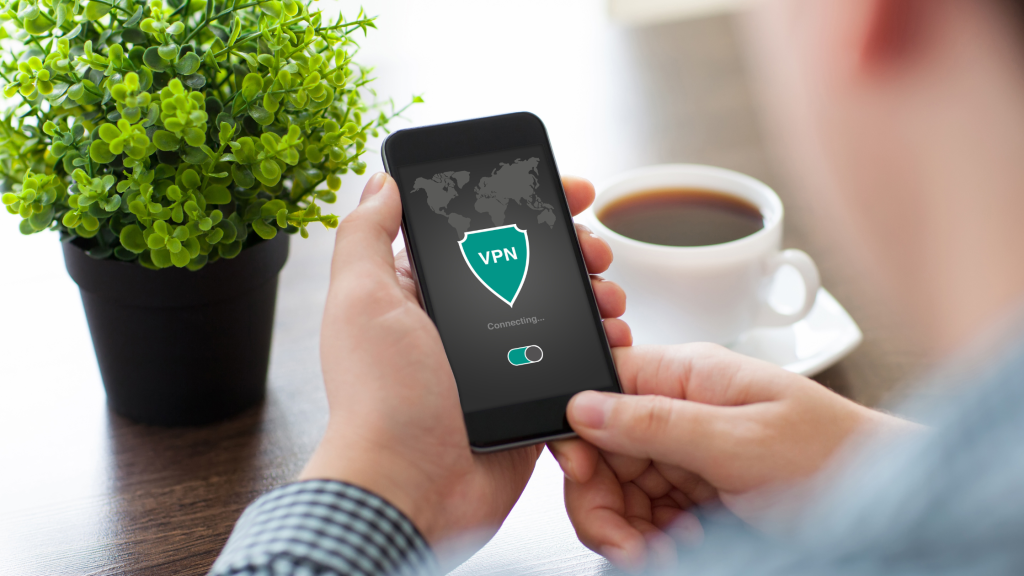
How do VPNs protect data, though? When you use a VPN, you use an encrypted network, meaning your online movements cannot be intercepted. If, for example, you were using a public Wi-Fi network and a criminal managed to hack into it, they would see every little thing you did, including all of the information you transmit. It’s especially important for this reason to always ensure that you have a VPN activated when you are browsing the web on public Wi-Fi networks.
Total Online Anonymity
Do you want people to monitor and track your online movements? It’s becoming more and more common for people’s ISPs (Internet Service Providers) to record their online activities, compile them, and use them to make money. ISPs have been caught selling people’s personal data to marketing companies, who then use it for targeted advertising. Targeted advertising is a nuisance and can fill one’s email inbox and make browsing the internet an unpleasant experience. Since you are a business owner, you probably don’t need hundreds of marketing emails hitting your inbox and ads dominating browsers when you’re searching the web.
You also need to think about criminals, who if you are a business owner are most likely trying to target your company regularly, as they could also track your movements and use the data that they collect to perform a targeted hack. Criminals don’t just hack people to collect their personal information, they also do it to steal money. Remember that your business’s bank accounts are vulnerable. If a criminal is able to hack into your bank account, they could drain all of the money out of it and transfer it to an account with a foreign bank before you even realize anything has happened, potentially blocking you from getting any of it back.
Accessing Blocked Content
Something else that’s noteworthy about VPNs is that they allow users to change their IP addresses, making themselves look like they are in countries that they are not. In certain places, the internet is heavily restricted, blocking people from accessing content and media that they want to view because it is in conflict with their nations’ political ideologies. If your business operates in a country like that but you are not from the country it’s being run in, this could really complicate things for you and make it difficult to run your business properly.
A VPN can allow you to access the internet more freely and view content that might not be available to you in the country you’re currently running your business from. This means that you can access foreign social media platforms and search engines, making it easier for you to market your business internationally. International marketing is by no means easy and is something you need to work at over time, so having access to a VPN means you’ll be able to market your business long-term without worrying about blocks.
Finding A VPN
Finding a good VPN to use can be difficult. You need to figure out what your needs are first and foremost, then make sure that the program you ultimately settle on meets them. A good way to figure out whether or not a VPN will be suitable is to read its reviews. A VPN’s reviews can tell you a lot about it and will give you a pretty good idea of what to expect from using it. In addition to reviews, think about cost. Find the most affordable VPN that you can.
VPNs are great for private internet users and for businesses. They keep people safe, preventing hackers and ISPs from monitoring and tracking their movements. The internet should be a private place, since so much of what we do there is unique to us and personal. VPNs keep the internet private, which is why they’re so important today.