We’ve all met that person who is undeniably intelligent yet seems to make questionable decisions. Intelligence, measured by IQ or academic prowess, doesn’t always translate to smart decision-making. Smart decisions often come from a mix of experience, emotional intelligence, and situational awareness rather than raw intellectual ability.
Think of it this way: Intelligence might help you solve a complex math problem, but it doesn’t always guide you in navigating the complexities of human relationships or making life choices. You might excel in one domain but struggle in another. Understanding why smart people sometimes make poor decisions can help you refine your own decision-making process.
In every situation, different factors come into play. Emotional biases, stress, and even overconfidence can cloud judgment. It’s crucial to recognize that being smart is not just about knowing a lot but also about making wise choices with the knowledge you have. This blend of knowledge and wisdom is what truly leads to smart decisions.

Defining Intelligence and Smart Decisions
Understanding what intelligence and smart decisions entail is crucial. Each has unique attributes that influence how people navigate complex situations.
The Nature of Intelligence
Intelligence often refers to cognitive abilities, such as reasoning, problem-solving, and learning. Measured by IQ, this form of intelligence highlights the aptitude for logical thinking and analytical skills.
People with high intelligence may excel in academic or technical fields. Logical reasoning, memory, and language proficiency are common markers.
However, intelligence doesn’t always predict emotional intelligence or social skills, which are crucial for smart decision-making. High IQ might not always align with effective real-world problem-solving.

Criteria for Smart Decisions
Smart decisions take context, foresight, and practicality into account. Critical thinking and intuition are integral in this process.
You balance short-term gains with long-term outcomes. Being able to assess risks and benefits, and acting ethically, defines a smart decision.
Social awareness and emotional intelligence play significant roles. Unlike pure intelligence, these qualities involve understanding human behavior and emotional dynamics.
Contrary to what you might believe, someone can have a high IQ and still make poor decisions in daily life. Understanding the limits of IQ is crucial, as IQ primarily measures cognitive abilities like problem-solving and analytical thinking but does not account for factors like wisdom, social skills, or emotional intelligence, which are equally important for making well-rounded decisions. High IQ individuals may excel in specific tasks but can struggle with practical and social aspects of life, leading to decisions that might seem “dumb” despite their cognitive prowess.
Cognitive Biases and Decision Making
Cognitive biases heavily influence the way you make decisions. By recognizing these biases, you can improve your decision-making process and avoid common pitfalls.
Common Cognitive Biases
Several cognitive biases often affect your judgment. Confirmation bias makes you seek out information that confirms your preexisting beliefs while ignoring contradictory data. Anchoring bias causes you to rely too heavily on the first piece of information you receive. Availability heuristic makes you overestimate the importance of information that’s readily available, like recent or memorable events. These biases can subtly but significantly impact your decisions.
Impact on Decisions
Cognitive biases can lead to poor decision-making. For example, confirmation bias might cause you to overlook critical risks in a project, leading to unexpected failures. Anchoring bias could make you set unrealistic financial goals based on an initial estimate. Availability heuristic might cause you to prioritize short-term gains over long-term benefits. Being aware of these impacts can help you make more informed choices.
Overcoming Biases
To overcome cognitive biases, employ strategies like awareness and critical thinking. Actively challenge your assumptions and seek diverse perspectives. Keeping a decision journal can also help you track the thought process behind your choices, making it easier to identify patterns of bias. By acknowledging these biases, you can work to minimize their influence on your decisions.
Role of Emotions in Intelligence
Understanding the role emotions play in intelligence can help you see why high IQ does not always lead to smart decisions. Emotions interact with our rational thoughts and influence our choices.
Emotional Intelligence Defined
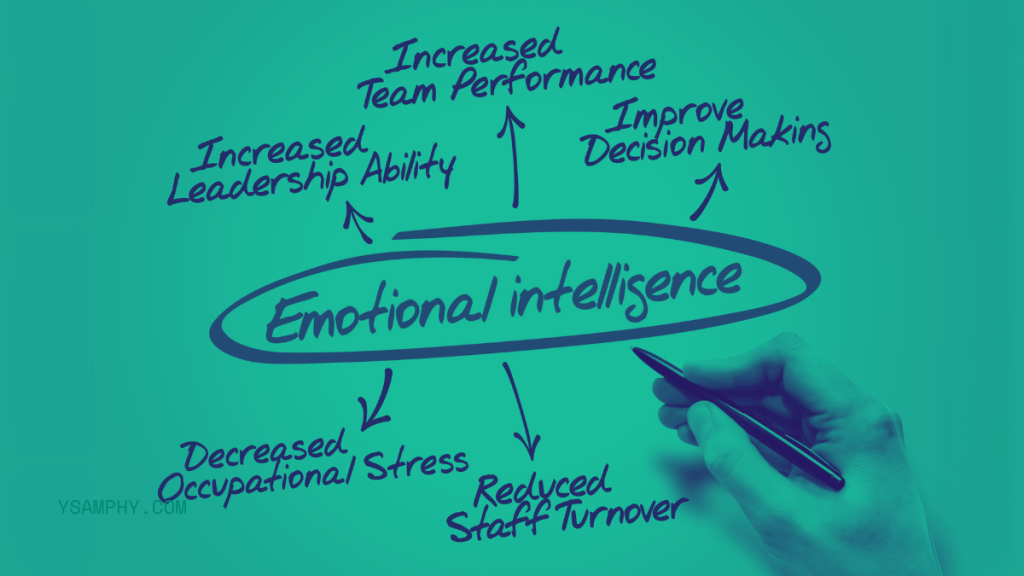
Emotional intelligence (EI) involves recognizing, understanding, and managing your own emotions, as well as influencing the emotions of others. It consists of several key components, including self-awareness, self-regulation, motivation, empathy, and social skills.
Being emotionally intelligent means you can navigate social complexities and make thoughtful decisions based on more than just logical reasoning. EI often determines how you handle stress, relate to others, and manage conflicts, making it as crucial as cognitive intelligence in daily life.
Interplay of Emotions and Rationality
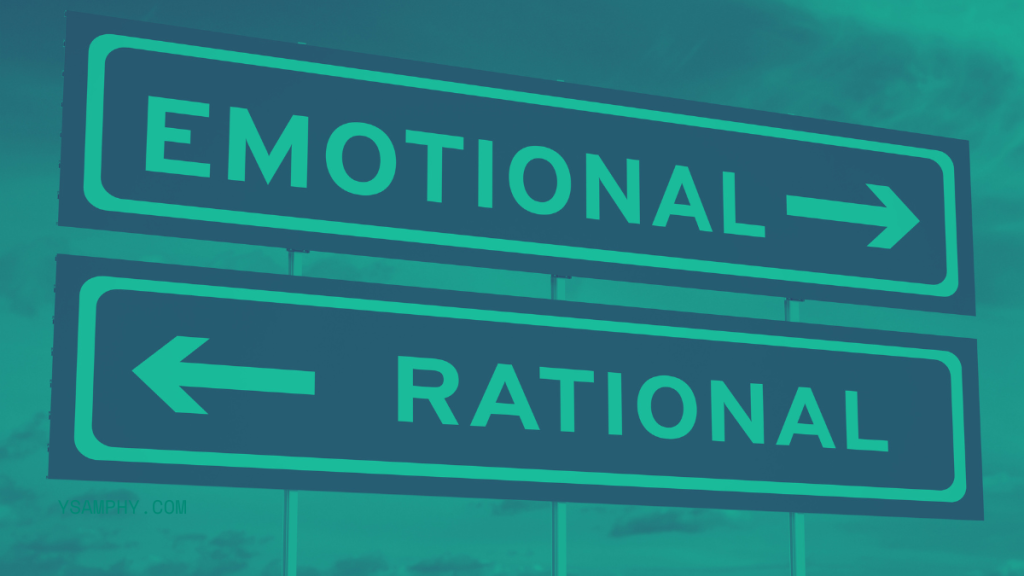
Your emotions can greatly affect your decision-making processes. They might cloud your judgment, leading you to act impulsively, or they can serve as valuable signals that enhance your decision-making.
Balancing emotions with rational thought allows for better risk assessment, improved empathy, and sounder decisions. For example, feeling anxious before a big decision might make you double-check crucial details, helping you avoid mistakes.
Integrating emotional awareness with logical reasoning can lead to more balanced and smarter choices.
The Importance of Experience and Learning from Mistakes
While intelligence provides the tools to solve problems, experience equips you with the wisdom to avoid repeating mistakes. Smart decision-making is often a product of learning from past experiences and applying those lessons to new situations.

The Role of Experience in Decision-Making
Experience allows you to recognize patterns and anticipate outcomes based on previous encounters. It enhances your ability to evaluate situations and make informed decisions. This is why seasoned professionals often make quicker and more accurate decisions than those who are merely academically gifted but lack practical experience.
For instance, a highly intelligent individual might understand the theoretical aspects of a business venture, but someone with experience in that field will know the potential pitfalls and how to navigate them effectively. Experience teaches you what to avoid and what strategies are likely to succeed.

Learning from Mistakes
Mistakes are inevitable, but they can be valuable learning opportunities. People who consistently make smart decisions often reflect on their errors and adjust their approach accordingly. This process of learning from mistakes is a critical component of wisdom.
High intelligence doesn’t guarantee that one will learn from mistakes. It requires humility and the ability to critically assess one’s actions. Those who can acknowledge and analyze their mistakes are more likely to make smarter decisions in the future.
Combining Intelligence, Emotional Awareness, and Experience
The smartest decisions come from integrating intelligence, emotional awareness, and experience. Intelligence helps you understand complex concepts; emotional awareness ensures you’re in tune with the human aspects of decision-making, and experience provides the practical know-how to apply this knowledge effectively.
Together, these elements create a decision-making process that is not only logical but also grounded in real-world practicality. Understanding this combination can lead to more consistent and reliable decision-making in both personal and professional life.

Conclusion
In essence, intelligence alone does not equate to smart decision-making. While high IQ and cognitive abilities can solve complex problems, they often fall short in the nuanced, multifaceted world of real-life decisions.
Smart decisions require a balanced combination of cognitive intelligence, emotional intelligence, and practical experience. Cognitive biases and emotional influences further complicate this process, but by recognizing and managing these factors, you can refine your decision-making skills.
Ultimately, the key to making smart decisions lies in integrating knowledge with wisdom, experience, and emotional insight—ensuring that your choices are well-rounded, thoughtful, and effective in achieving long-term success.