Having an effective marketing strategy is crucial for success. Whether you are a small startup or a well-established company, refining your marketing efforts can help you reach your target audience more efficiently, drive engagement, and ultimately boost your bottom line. This guide aims to provide essential tips on how to enhance your marketing strategy, ensuring that your brand remains relevant and resonates with consumers in an ever-evolving marketplace.

Understanding Your Target Audience
Identifying and understanding your target audience is the cornerstone of any successful marketing strategy. Begin by conducting thorough market research to gather data on your potential customers. This includes demographic information, purchasing behavior, preferences, and pain points. Utilizing tools such as surveys, focus groups, and social media analytics can provide valuable insights into your audience’s needs and desires.
Once you have gathered sufficient data, create detailed buyer personas that represent your ideal customers. These personas will guide your marketing efforts, ensuring that your messaging and campaigns are tailored to the specific interests and behaviors of your target audience. Remember, the more precise your personas, the more effective your strategy will be.
Regularly revisit and update your understanding of your audience. Market trends and consumer preferences can change over time, so it is essential to stay informed and adapt your strategy accordingly. Keeping a finger on the pulse of your target market will help you remain relevant and competitive in your industry. The folks at Two Palms Media note that a PR agency can help you better understand and connect with your target audience through various tactics such as media relations, influencer partnerships, and content creation. It is worth considering seeking professional help to ensure you have a comprehensive understanding of your audience.

Leveraging Digital Marketing Channels
Leveraging online marketing channels is essential for reaching a broader audience. Start by optimizing your website for search engines (SEO) to increase your visibility on platforms like Google. Utilize techniques such as keyword research, backlinking, and content optimization to improve your search engine ranking and attract organic traffic.
Social media platforms are another critical component of a comprehensive marketing strategy. Choose the platforms that are most popular with your target audience and focus on creating engaging content that resonates with them. Regularly posting and interacting with your followers will help build a loyal online community and enhance brand awareness.
Email marketing remains a powerful tool for nurturing leads and maintaining customer relationships. Craft personalized and engaging email campaigns that provide value to your subscribers. Segmentation and automation can further enhance the effectiveness of your email marketing efforts, ensuring that your messages are timely and relevant.

Creating Compelling Content
Compelling content is the heartbeat of any successful marketing strategy. Focus on creating high-quality, informative, and engaging content that addresses the needs and interests of your target audience. This can include blog posts, videos, infographics, podcasts, and more. The goal is to provide value and position your brand as an authority in your industry.
Content marketing should be consistent and aligned with your overall brand message. Develop a content calendar to plan and schedule your posts in advance. This allows you to maintain a steady flow of content and ensures that you are addressing timely and relevant topics.
Don’t forget the power of storytelling. Engaging narratives can captivate your audience and create an emotional connection with your brand. Share customer success stories, behind-the-scenes glimpses, and other relatable content that humanizes your brand and fosters a deeper relationship with your audience. Reaching out to a product marketing agency to help you develop compelling stories can elevate your brand’s presence across different channels. Their expertise ensures that your messaging is consistent, impactful, and tailored to resonate with your target audience.

Measuring and Analyzing Performance
Measuring the performance of your marketing efforts is crucial for understanding what works and what doesn’t. Utilize tools like Google Analytics, social media insights, and other analytics platforms to track key metrics such as website traffic, conversion rates, engagement levels, and return on investment (ROI).
Regularly review and analyze the data to identify trends and insights. This will enable you to make informed decisions and adjustments to your strategy. For example, if a particular type of content is performing well, consider producing more of it or repurposing it across different channels. Conversely, if certain campaigns are underperforming, identify the reasons and make the necessary optimizations.
Setting measurable goals and key performance indicators (KPIs) is essential for monitoring progress and achieving success. These benchmarks will provide a clear roadmap for your marketing efforts and help you stay focused on your objectives. Continuous improvement through data-driven insights will ensure that your marketing strategy remains effective and delivers the desired results.
Utilizing Influencer Marketing
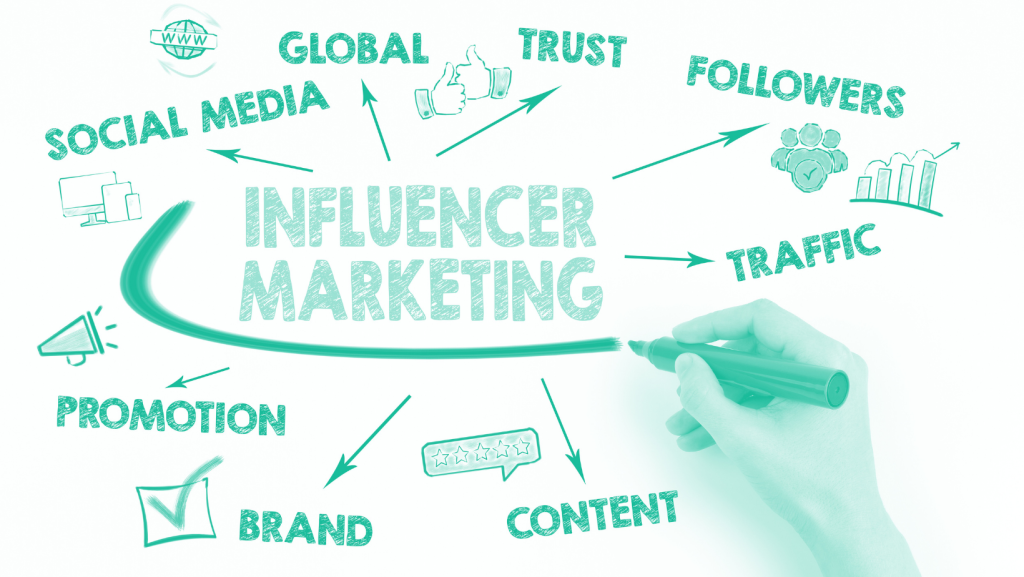
Influencer marketing has emerged as a powerful tactic for reaching and engaging with your target audience. By partnering with influencers who have a strong following and sway within your niche, you can leverage their credibility and reach to promote your brand authentically. Carefully choose influencers whose values align with your brand and who possess an audience that matches your target demographic. The key to effective influencer marketing is authenticity—ensuring that the influencer genuinely believes in and uses your product or service will result in more credible and impactful endorsements.
When executed properly, influencer collaborations can lead to increased brand awareness, higher engagement rates, and a boost in sales. Start by setting clear objectives and identifying metrics to measure the success of your influencer campaigns. Communicate your goals and expectations clearly with the influencers to ensure alignment and consistency in messaging. Provide influencers with creative freedom to craft content in their unique style while still adhering to your brand guidelines. This approach will make the promotion feel more organic and trustworthy to their followers.
Finally, it’s important to monitor and evaluate the performance of your influencer marketing campaigns. Use tools to track key metrics such as engagement rates, follower growth, and conversions stemming from the influencer’s content. Analyze the data to understand what worked well and what didn’t, and use these insights to refine your future influencer marketing strategies. Building long-term relationships with influencers who consistently deliver results can also foster brand loyalty and result in ongoing mutual benefits.
Continuously refining and improving your marketing strategy is crucial for staying relevant and competitive in today’s fast-paced business landscape. Understanding your target audience, leveraging digital channels, creating compelling content, measuring performance, and incorporating influencer marketing are all essential components of a successful modern marketing strategy. By implementing these tips and continually adapting to changes in the market, you can ensure that your brand remains at the forefront of consumers’ minds and drives long-term success for your business.