Managing accounting effectively is crucial for any company’s success. Proper accounting not only ensures compliance with legal standards but also provides valuable insights into financial health and operational efficiency. In this blog post, we will explore comprehensive strategies for managing accounting in your company, covering essential aspects from setting up your accounting system to leveraging technology and outsourcing options.

Outsourcing Accounting Functions
Outsourcing accounting functions can be a cost-effective solution for small and medium-sized businesses that lack the resources to maintain an in-house accounting team. Professional accounting firms offer expertise in various areas such as bookkeeping, payroll processing, tax planning, and financial analysis, experts from Ocfo explain.
Outsourcing can help reduce overhead costs, ensure compliance with regulatory requirements, and provide access to advanced accounting tools and technologies. When choosing an outsourcing partner, consider their reputation, expertise, and the range of services they offer.
Introduction to Accounting Management
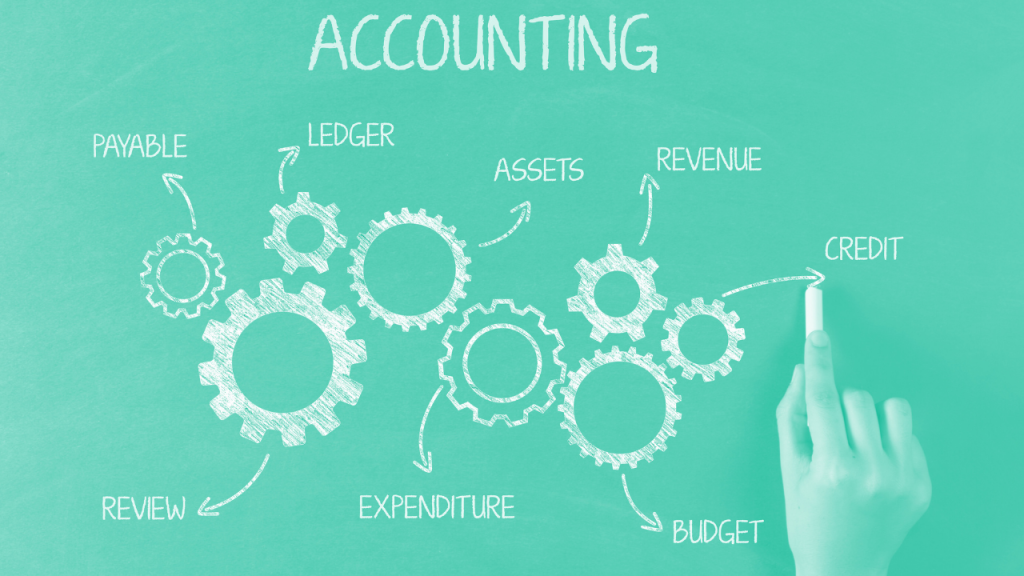
Accounting management involves the systematic recording, analyzing, and interpreting of financial transactions within a business. It is the backbone of any business operation, providing critical data needed for making informed decisions. Good accounting practices help in tracking income and expenses, ensuring statutory compliance, and providing quantitative financial information to investors, management, and government for decision-making.
Setting Up an Efficient Accounting System
The foundation of effective accounting management lies in setting up an efficient accounting system. This system should be tailored to meet the specific needs of your business. Begin by choosing the right accounting method—cash or accrual. Cash accounting records transactions when cash changes hands, while accrual accounting records transactions when they are earned or incurred, regardless of cash flow.
Next, select accounting software that aligns with your business requirements. Modern accounting software can automate many processes, reduce errors, and provide real-time financial insights. Popular choices include QuickBooks, Xero, and FreshBooks. Ensure that your software integrates well with other tools you use, such as payroll systems, CRM software, and banking platforms.
Ensuring there are multiple accountable parties is another big step in ensuring an efficient accounting system. This reduces the risk of fraud and errors and ensures a transparent process. Implementing 3 way matching in AP can also add another layer of accountability and prevent fraud. Further, establish clear guidelines for expense claims and reimbursements to prevent misuse of company funds.
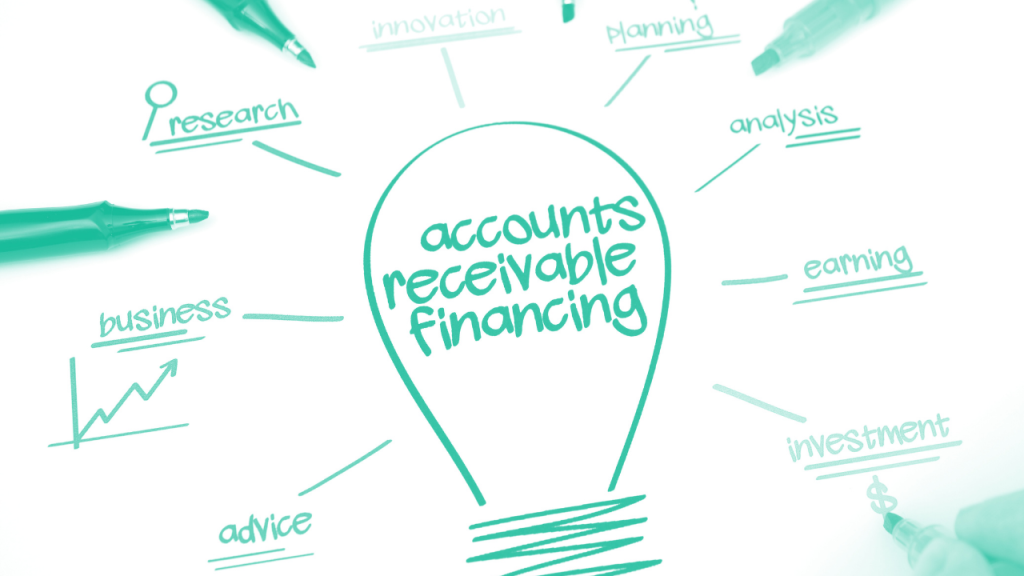
Chart of Accounts
A well-organized chart of accounts (COA) is essential for categorizing and tracking your financial transactions. The COA is a listing of all the accounts in your accounting system, organized by account type: assets, liabilities, equity, revenues, and expenses. This structure helps in maintaining consistency in recording transactions and aids in the preparation of financial statements.
When creating your COA, consider the nature of your business and the level of detail required. Avoid overly complex account structures that can complicate the bookkeeping process. Regularly review and update your COA to reflect changes in your business operations.
Bookkeeping: The Heart of Accounting
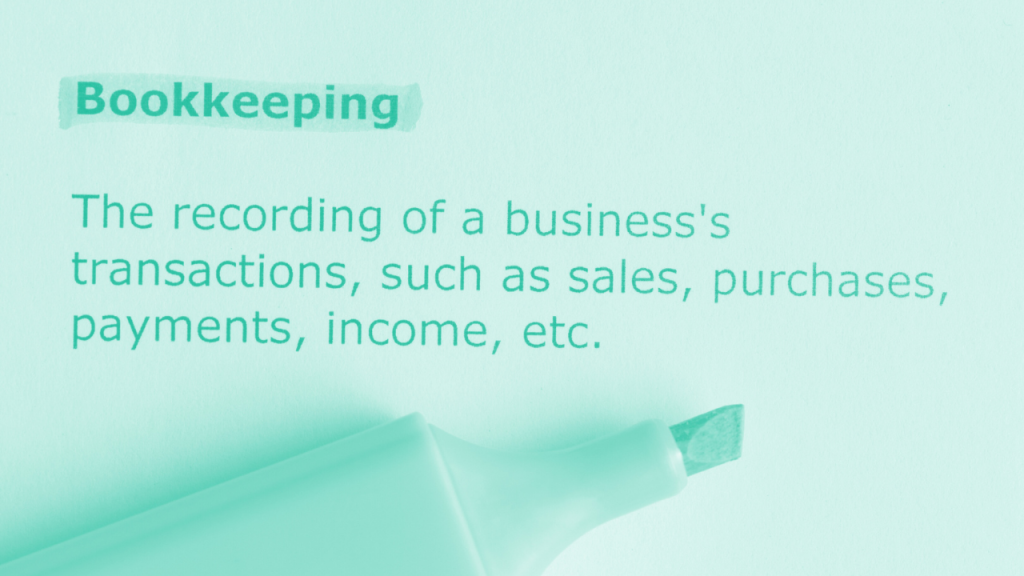
Bookkeeping is the day-to-day recording of financial transactions and is the heart of accounting. Accurate bookkeeping ensures that your financial records are up-to-date and provides a solid foundation for generating financial reports. Implement a robust bookkeeping process by setting up a schedule for recording transactions and reconciling accounts regularly.
Use double-entry bookkeeping, where every transaction affects at least two accounts, to ensure accuracy. For example, a sale not only increases revenue but also affects accounts receivable or cash. This method helps in maintaining the accounting equation: Assets = Liabilities + Equity. A crucial part of effective financial management is optimizing accounts receivable factors, which helps improve cash flow, reduce bad debt, and maintain healthy client relationships.
Financial Reporting: Turning Data into Insight
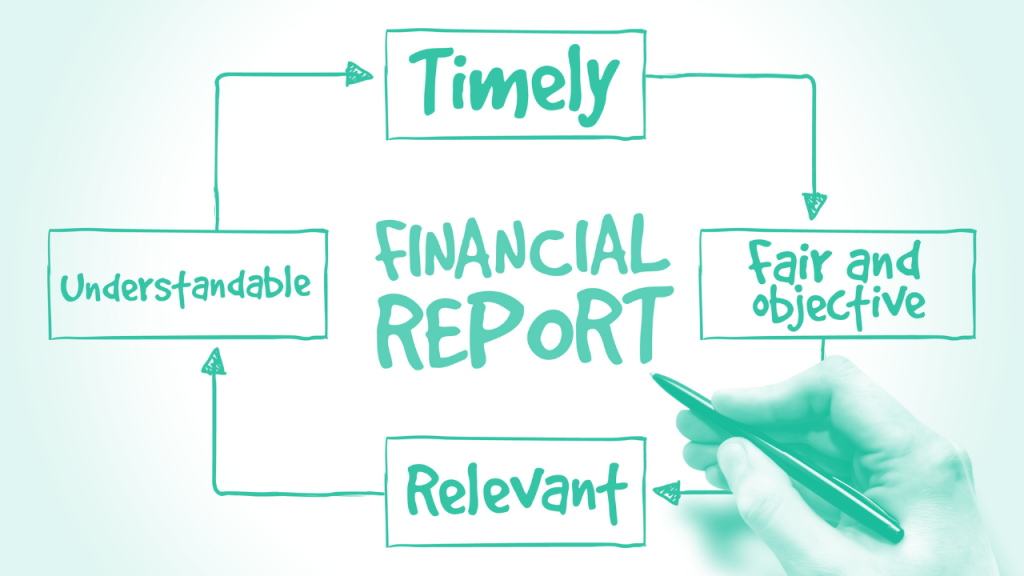
Financial reporting is the process of producing statements that disclose an organization’s financial status to management, investors, and the government. The primary financial reports include the income statement, balance sheet, and cash flow statement.
The income statement shows your revenues, expenses, and profits over a specific period, providing insights into your operational efficiency. The balance sheet offers a snapshot of your company’s financial position at a given point in time, detailing assets, liabilities, and equity. The cash flow statement tracks the inflow and outflow of cash, highlighting your liquidity position.
Regularly prepare and review these financial reports to monitor your business’s financial health and make informed strategic decisions. Financial reporting also helps in identifying trends, managing budgets, and evaluating performance against goals.

Compliance and Regulatory Requirements
Compliance with accounting standards and regulatory requirements is mandatory for businesses to avoid legal penalties and ensure transparency. Familiarize yourself with the Generally Accepted Accounting Principles (GAAP) or International Financial Reporting Standards (IFRS), depending on your location and business type.
Stay updated on tax laws and filing deadlines to ensure timely submission of tax returns. Consider hiring a tax advisor to navigate complex tax regulations and optimize your tax strategy. Regularly audit your financial records to ensure accuracy and compliance with legal requirements.
Internal Controls: Safeguarding Your Assets
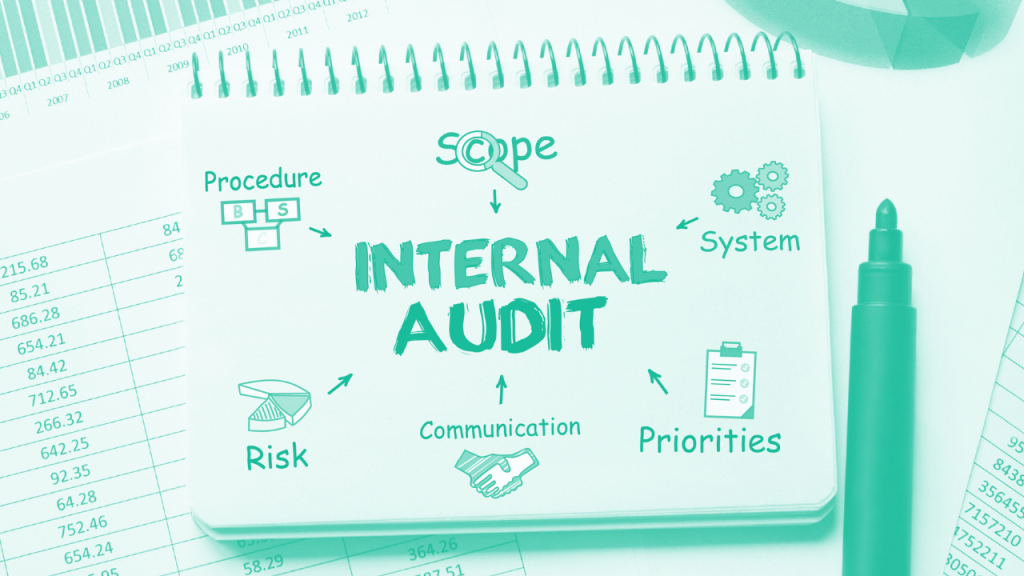
Internal controls are procedures and policies put in place to safeguard assets, ensure the accuracy of financial records, and prevent fraud. Establishing strong internal controls is essential for maintaining the integrity of your financial information.
Key internal controls include segregation of duties, where different employees handle different parts of a financial transaction to reduce the risk of errors or fraud. Implement authorization controls to ensure that only authorized personnel can approve significant transactions. Regularly review and reconcile bank statements, and conduct periodic internal audits to detect any discrepancies or irregularities.

Leveraging Technology for Accounting
Technology plays a vital role in modern accounting management. Leveraging the right tools can streamline processes, enhance accuracy, and provide real-time financial insights. Invest in accounting software that suits your business needs and offers features such as automated invoicing, expense tracking, and financial reporting.
Cloud-based accounting solutions provide the flexibility to access financial data from anywhere and offer enhanced security features. Use mobile apps to manage finances on the go, and integrate your accounting software with other business systems to ensure seamless data flow.
Training and Development for Accounting Staff
Investing in the training and development of your accounting staff is crucial for maintaining high standards of accounting management. Regular training sessions help employees stay updated on the latest accounting standards, software tools, and regulatory changes.
Encourage your accounting team to pursue professional certifications such as Certified Public Accountant (CPA), Chartered Financial Analyst (CFA), or Certified Management Accountant (CMA). These certifications enhance their skills and knowledge, contributing to more effective accounting management within your company.
Effective accounting management is fundamental to the success and sustainability of your business. By setting up an efficient accounting system, maintaining accurate records, complying with regulatory requirements, leveraging technology, and investing in staff training, you can achieve excellence in accounting management.
Remember, the goal of accounting is not just to record financial transactions but to provide valuable insights that drive strategic decisions and business growth. Implementing the strategies discussed in this blog post will help you manage your company’s accounting effectively, ensuring financial stability and long-term success.