
In today’s fast-paced world, maintaining a healthy diet can be challenging, especially when you have a busy schedule. However, with the right strategies and mindset, you can ensure that your nutrition remains on track without compromising on your commitments. Here’s how you can stick to a healthy diet even when life gets hectic.
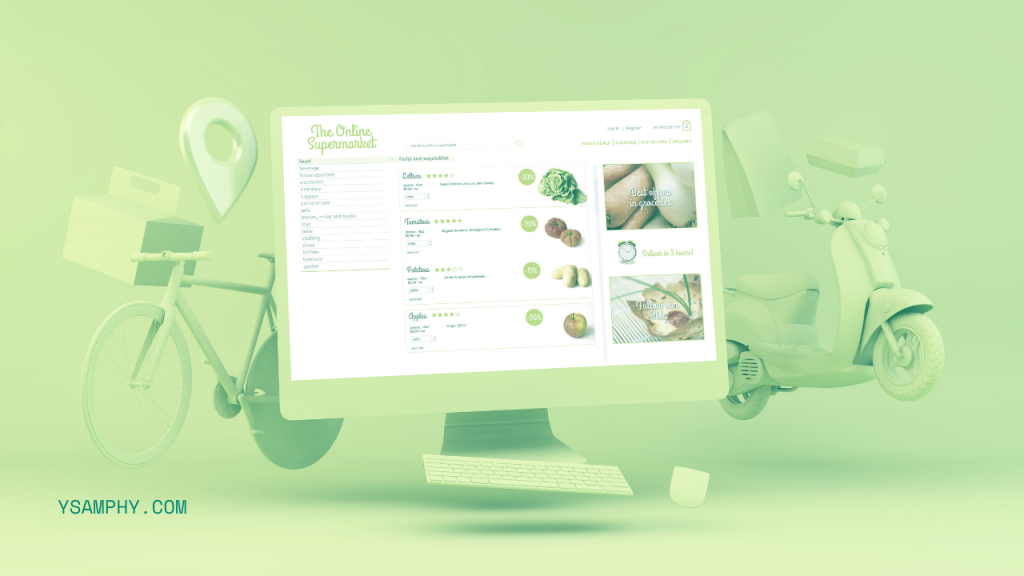
Order Healthy Food
Many restaurants and food delivery services now offer nutritious options that cater to various dietary preferences. Look for dishes that are rich in lean proteins, whole grains, and vegetables. Opt for grilled, baked, or steamed dishes over fried options, and choose sides like salads or steamed vegetables instead of fries or chips. To order healthy food, meal prep service can provide convenient, pre-portioned meals that are nutritionally balanced and tailored to your dietary needs. If possible, customize your order to include extra vegetables or request dressings and sauces on the side to control portions.
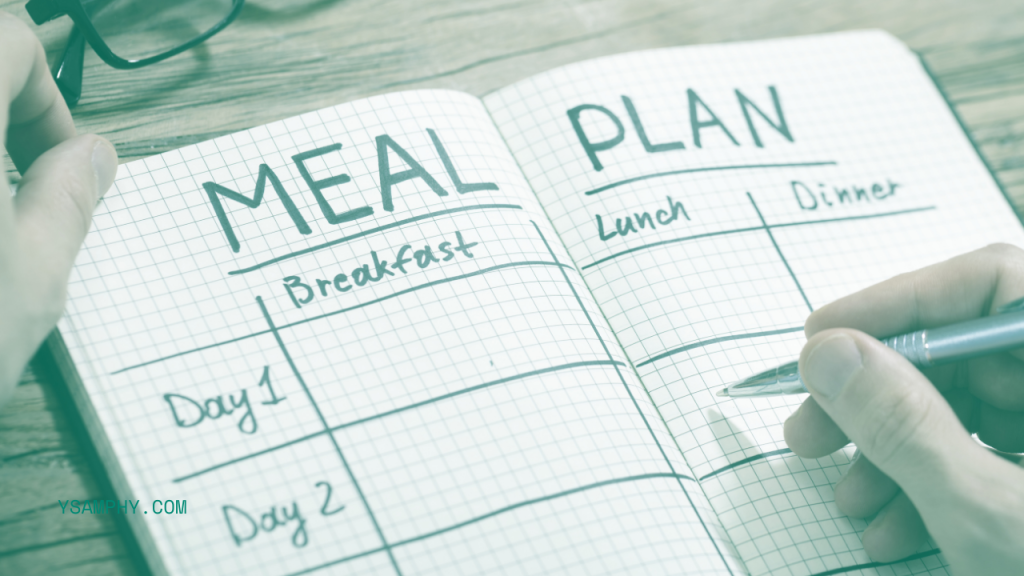
Plan for Success
The key to maintaining a healthy diet amidst a busy lifestyle is effective planning. Take some time each week to plan your meals and snacks. This ensures that you have nutritious options readily available and reduces the temptation to opt for fast food or unhealthy snacks on the go. Start by creating a weekly meal plan that includes a balance of proteins, vegetables, fruits, and whole grains. Prepare meals in advance whenever possible, such as cooking larger batches and storing them in portion-sized containers. This way, you can grab a healthy meal even on your busiest days without resorting to less nutritious alternatives.

Smart Grocery Shopping
Your journey to a healthier diet begins at the grocery store. Make a list before you go shopping and stick to it to avoid impulse buys that are often less healthy. Focus on purchasing fresh produce, lean proteins, whole grains, and healthy fats. Choose foods that are versatile and can be used in multiple meals throughout the week. Opt for snacks that are convenient yet nutritious, such as fresh fruit, yogurt, nuts, or pre-cut vegetables. By stocking your kitchen with wholesome ingredients, you set yourself up for success in maintaining a balanced diet despite your hectic schedule.
- Another vital aspect of smart grocery shopping is to pay attention to food labels. Be cautious of products labeled as “low-fat” or “reduced-sugar,” as they can sometimes contain added sugars or unhealthy additives to compensate for flavor. Instead, focus on whole, unprocessed foods whenever possible.
- Consider the seasonality of produce when planning your shopping list. Seasonal fruits and vegetables are not only fresher and tastier but also more budget-friendly. Local farmer’s markets or community-supported agriculture (CSA) programs can be excellent resources for seasonal produce that support local farmers and reduce your carbon footprint.
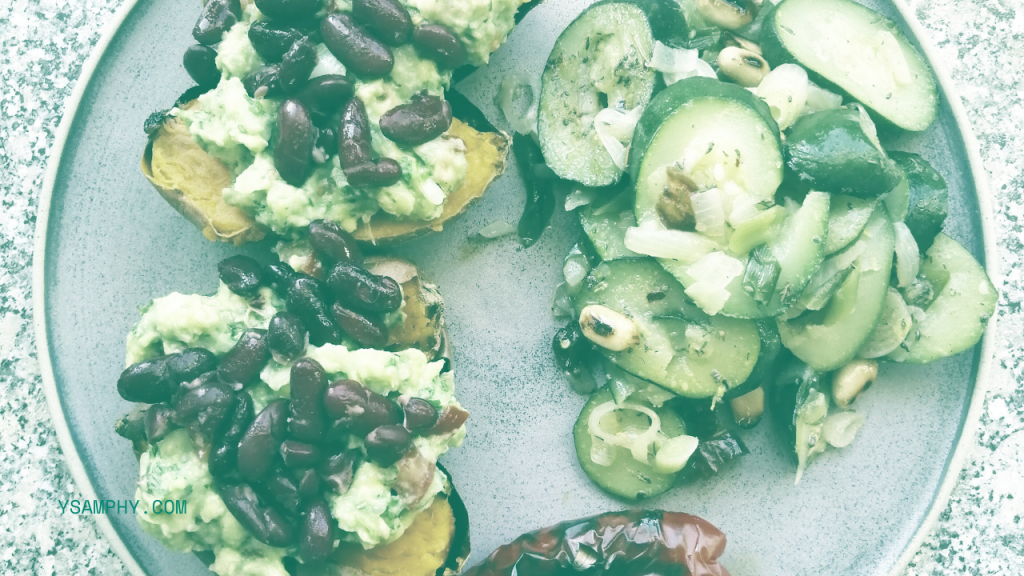
Embrace Quick and Easy Recipes
When time is limited, simplicity is key. Look for quick and easy recipes that require minimal preparation and cooking time. Choose meals that can be made in 30 minutes or less, such as stir-fries, salads, or one-pot dishes. Invest in kitchen appliances like a slow cooker or Instant Pot, which can save you time while allowing you to cook healthy meals with little effort. Keep a collection of go-to recipes that you enjoy and that fit your nutritional goals. Experiment with different flavors and ingredients to keep your meals interesting and satisfying.

Stay Hydrated
Proper hydration is essential for overall health and can also help curb cravings and keep energy levels stable throughout the day. Carry a reusable water bottle with you and aim to drink plenty of water throughout the day. If you find plain water boring, infuse it with fresh fruits or herbs for added flavor. Limit sugary drinks such as sodas and juices, as they can add unnecessary calories and contribute to fluctuations in energy levels. Herbal teas and sparkling water are also good alternatives to stay hydrated without compromising your diet.
- Carry a Reusable Water Bottle: Keeping a reusable water bottle with you at all times serves as a visual reminder to drink water regularly. It’s convenient and eco-friendly, allowing you to refill it throughout the day. By sipping water consistently, you can prevent dehydration, which can cause fatigue, headaches, and difficulty concentrating.
- Experiment with Flavored Water: If plain water seems monotonous, experiment with infused water by adding slices of citrus fruits, berries, cucumber, or mint leaves. This adds natural flavor without the calories and sugar found in sodas or flavored drinks. Herbal teas are also a hydrating option that provides variety and warmth, especially during colder months.
- Monitor Your Intake: Keep track of how much water you’re drinking each day to ensure you’re meeting your hydration needs. A general guideline is to aim for around eight 8-ounce glasses of water daily, but individual requirements may vary based on factors like activity level, climate, and overall health. Adjust your intake accordingly, especially if you engage in strenuous physical activity or spend time in hot environments.
- Limit Sugary and Caffeinated Beverages: While it’s important to stay hydrated, be mindful of beverages high in sugar and caffeine, such as energy drinks, sugary coffees, and sodas. These can lead to spikes and crashes in energy levels and may contribute to dehydration. If you enjoy caffeinated beverages, consider balancing them with water intake and opting for unsweetened or lightly sweetened versions to minimize added sugars.
Practice Mindful Eating
During a busy day, it’s easy to rush through meals or eat while distracted. However, practicing mindful eating can help you make healthier choices and enjoy your food more fully. Take the time to sit down and savor each bite, paying attention to flavors, textures, and how your body feels. Chew slowly and pause between bites to give your body time to register feelings of fullness. Avoid eating in front of screens or while working, as this can lead to mindless overeating. By being present and attentive during meals, you can cultivate a healthier relationship with food and make more conscious choices that support your well-being.
Maintaining a healthy diet when leading a busy life requires planning, organization, and mindful choices. By prioritizing nutritious foods, planning meals ahead of time, and making smart choices when eating out or on the go, you can ensure that your diet supports your health and energy levels. Remember, small changes can lead to big results over time. With these strategies in mind, you can stay on track with your nutritional goals and lead a healthier, more balanced life, no matter how busy your schedule may be.



