Electrical issues are a common concern for homeowners, often presenting safety risks and potential damage to appliances. While some problems may seem minor, overlooking them can lead to serious consequences, including fires or electric shocks. Regular inspections and maintenance play a crucial role in preventing hazards, but knowing when to seek professional help is just as important.
From outdated wiring to flickering lights, electrical problems can take many forms. Some issues are a sign of deeper underlying faults that require immediate attention. Understanding these warning signs helps protect your home and those who live in it. Below are some of the most common electrical issues and when an expert should be called.
Switchboard Maintenance
The switchboard acts as the heart of a home’s electrical system, distributing power throughout the property. Over time, wear and tear can affect its efficiency, leading to potential overloads and increased fire risks. Aging electrical systems often fall short of today’s safety standards, leaving your family vulnerable to potential hazards, as seen on the brideelectrical.com.au website. Signs that a switchboard needs attention include frequent tripping of circuit breakers, buzzing sounds, or a burning smell.
Many older homes still rely on outdated switchboards with ceramic fuses, which lack the protective features of modern circuit breakers. These older models struggle to handle the energy demands of modern households, increasing the risk of electrical faults. If lights flicker when using appliances or certain circuits stop working altogether, it may be time to upgrade the switchboard to a safer and more efficient system.
Frequent Power Surges
Power surges can occur for various reasons, from lightning strikes to faulty wiring and overloaded circuits. While some may last only a fraction of a second, repeated surges can wear down appliances and shorten their lifespan. If devices such as televisions, refrigerators, or computers frequently stop working or reset themselves unexpectedly, there may be an underlying electrical issue at play.
Homes with too many high-power appliances connected to a single circuit are more prone to surges. Cheap or low-quality power boards can also contribute to the problem. If surges continue despite unplugging certain devices, the root cause may lie within the home’s wiring, and an electrician should be consulted to assess the situation.
Flickering or Dimming Lights
A flickering light might seem like a minor nuisance, but it can be a sign of a deeper problem. In some cases, it may be caused by a loose bulb or a faulty light fixture. If tightening or replacing the bulb does not resolve the issue, the problem could be within the wiring or the circuit itself.
Dimming lights when using appliances such as microwaves or air conditioners may indicate an overloaded circuit. This happens when an electrical system struggles to supply enough power to all connected devices. In older homes, wiring may not be equipped to handle the demands of modern appliances, increasing the risk of overheating and potential fire hazards. Persistent flickering or dimming should be addressed by a professional to prevent further complications.
Overloaded Circuits and Tripping Breakers
Circuit breakers are designed to protect a home from electrical overloads by shutting off power when a circuit draws too much current. While an occasional tripped breaker is normal, frequent occurrences suggest an issue that needs attention. Overloaded circuits are often the result of too many devices running simultaneously, exceeding the capacity of the wiring.
Using extension cords or power strips to accommodate multiple appliances can contribute to circuit overloads. Older electrical systems with limited circuits are particularly vulnerable to this problem. If resetting the breaker does not resolve the issue, an electrician may need to install additional circuits or upgrade the electrical panel to accommodate higher energy demands.
Warm Outlets or Burning Smells

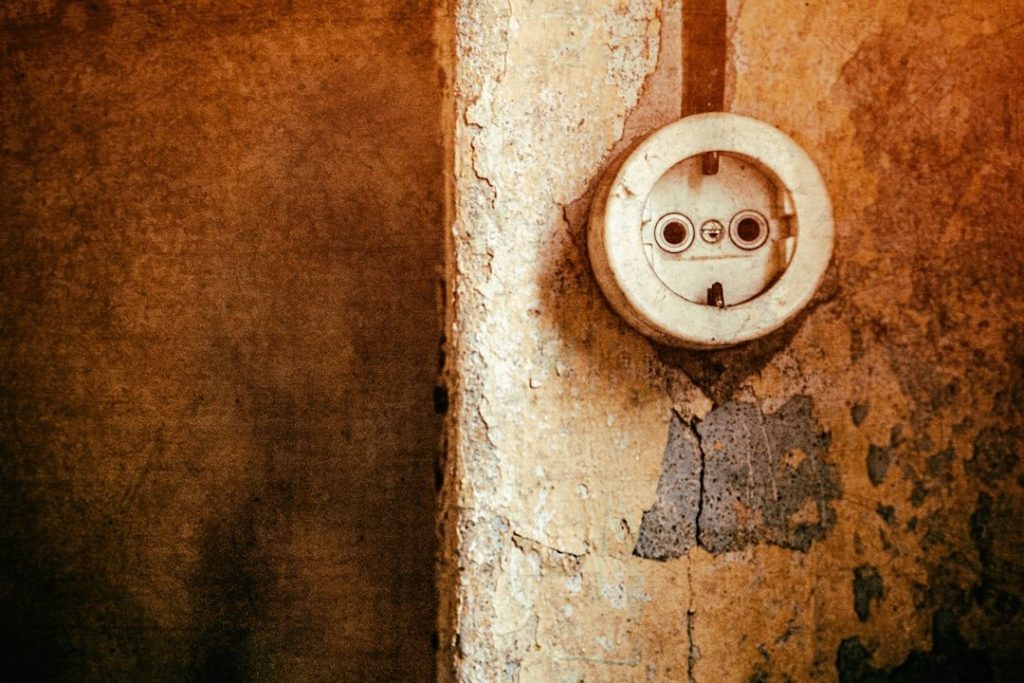
Electrical outlets should never feel warm to the touch. If they do, it could indicate faulty wiring or an overloaded circuit. A burning smell near an outlet, light switch, or electrical panel is a serious warning sign that should never be ignored. This odor often comes from melting insulation around wires, which can lead to short circuits and fires.
In some cases, older or poorly installed wiring may not be able to handle the electrical load, generating excessive heat. Discolored outlets or switches are another indication of underlying damage. If any of these warning signs are present, turning off power to the affected area and seeking professional help is the safest course of action.
Outdated or Faulty Wiring
Homes built several decades ago often contain wiring that no longer meets modern safety standards. Electrical codes have evolved to reduce fire risks and improve energy efficiency, but older homes may still rely on outdated systems that were never designed to support today’s power demands. Knob-and-tube wiring, once common in homes built before the mid-20th century, lacks grounding and is more prone to overheating. Aluminum wiring, widely used in the 1960s and 1970s, is another concern, as it can corrode over time and loosen at connections, increasing the likelihood of electrical fires.
Signs of faulty or aging wiring can appear in several ways. Buzzing or crackling sounds behind walls may indicate wires that are fraying or arcing. If outlets or switches feel warm to the touch, it could be due to excessive heat buildup from deteriorating insulation. Flickering lights that persist even after changing bulbs might point to loose wiring connections somewhere in the circuit. Sparks when plugging in appliances, frequent circuit breaker trips, or a burning smell near electrical outlets are all serious warning signs that require immediate attention.
Rodents can also contribute to wiring issues by chewing through insulation, exposing bare wires that may short-circuit or ignite nearby materials. Hidden damage inside walls may not be immediately noticeable, making routine electrical inspections a good preventive measure. If a home’s wiring is several decades old or showing signs of wear, upgrading the system can improve safety and prevent unexpected failures. A professional electrician can assess the condition of existing wiring, identify potential hazards, and recommend necessary repairs or replacements to bring the system up to current safety standards.
Electrical issues can range from minor inconveniences to serious safety hazards. While some problems may appear manageable at first, ignoring warning signs can lead to costly repairs or dangerous situations. Regular maintenance and timely inspections help keep a home’s electrical system in good condition.
If flickering lights, tripped breakers, or unusual odors persist, professional assistance should be sought to prevent further complications. Addressing electrical concerns early ensures a safer and more reliable system, reducing the risk of unexpected failures and potential hazards.