Nowadays, staying connected is more important than ever. Whether you’re traveling, working remotely, or simply spending a day outdoors, a reliable power bank is an essential accessory to ensure your devices remain charged. With so many options available on the market, choosing the right power bank can be overwhelming. To make the decision easier, here are key factors to consider when selecting a power bank that fits your needs and lifestyle.
Understanding Power Bank Capacity and What It Means for You
The capacity of a power bank, measured in milliampere-hours (mAh), determines how much charge it can store and deliver to your devices. A higher capacity means the power bank can charge your device multiple times before needing to be recharged. For instance, a 10,000mAh power bank can typically charge a standard smartphone two to three times, depending on the phone’s battery size.
When choosing a power bank, think about your daily power needs. If you’re a light user who only charges a smartphone occasionally, a compact 5,000mAh power bank may suffice. However, for heavy users with multiple devices such as tablets, laptops, or smartwatches, a high-capacity power bank—20,000mAh or more—is a better choice.
Evaluating Portability and Design
Portability is a crucial factor, especially for those who are constantly on the move. Power banks come in a variety of sizes and weights, ranging from pocket-sized options to larger models designed for extended use. While compact power banks are convenient for daily carry, they often have lower capacities.
Consider the design and weight of the power bank relative to your needs. If you’re a traveler who prioritizes convenience, lightweight and slim models that easily fit in your bag or pocket are ideal. For users who don’t mind carrying extra weight in exchange for more charging power, larger models provide extended usability.
Examining the Number and Type of Ports
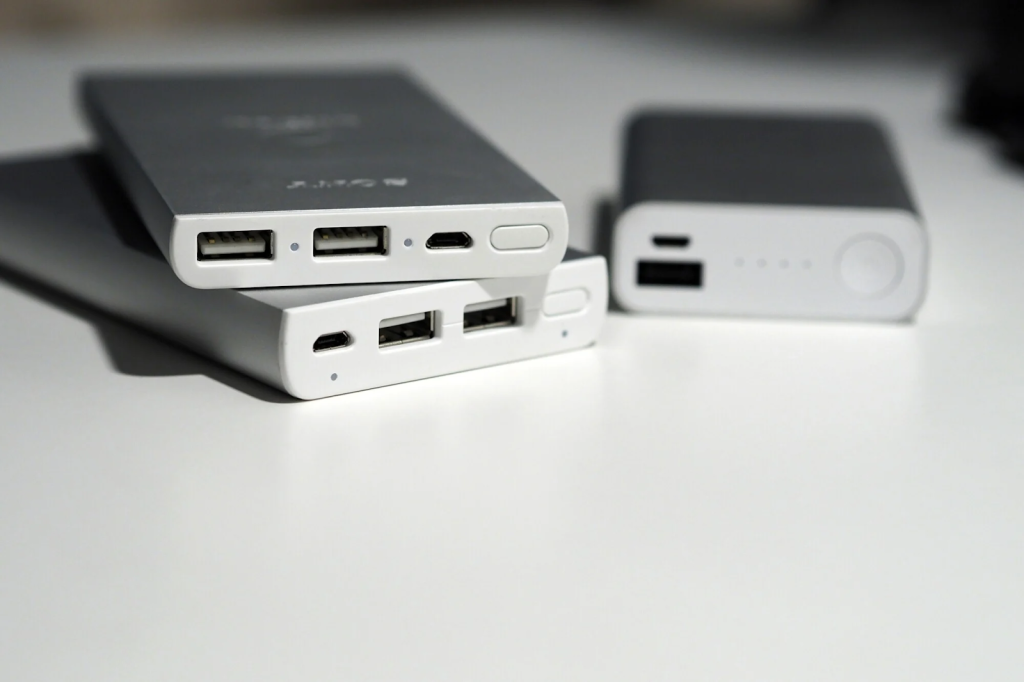
The number and type of charging ports on a power bank play a significant role in its functionality. Many modern power banks come with multiple ports, allowing you to charge multiple devices simultaneously. Check whether the power bank includes USB-A, USB-C, or micro-USB ports, as compatibility with your devices is crucial.
USB-C ports are becoming increasingly popular due to their fast charging capabilities and versatility. They can both charge devices and recharge the power bank itself, making them an efficient option. For users with older devices, ensuring the power bank has traditional USB-A ports is essential.
Considering Charging Speeds and Technology
Charging speed is another critical feature to evaluate. Power banks equipped with fast-charging technology can recharge your devices much quicker than standard models, saving you time and reducing downtime. Features like Qualcomm Quick Charge and Power Delivery (PD) are commonly found in advanced power banks, delivering rapid charging for compatible devices.
For example, a power bank with Power Delivery can charge a laptop or smartphone significantly faster, making it a great choice for professionals or travelers who need quick top-ups. Ensure your devices support fast charging to fully benefit from this feature.
Assessing Build Quality and Safety Features
Durability is key, especially if you’ll be using your power bank in outdoor or travel scenarios. High-quality power banks are made from robust materials that can withstand daily wear and tear. Look for models with certifications for shock resistance or water resistance if you plan to use them in rugged environments.
Safety features are equally important. Choose power banks with built-in protections against overcharging, overheating, and short circuits. These features not only protect the power bank but also ensure the safety of your connected devices, providing peace of mind during use.
Exploring Power Banks With Additional Features
Some power banks come with additional features that enhance their functionality. For instance, models with built-in LED flashlights are useful for camping or emergencies.
Wireless charging capabilities are another popular feature, eliminating the need for cables and making the charging process more convenient. Certain power banks, like the PowerPack Universal Pro, are designed with versatility in mind, offering multiple charging modes and advanced safety systems. Choosing a power bank with these extras can add value and make it a more practical tool for various situations.
Factoring in Brand Reputation and Customer Support
When investing in a power bank, it’s essential to consider the brand’s reputation and customer support. Established brands are more likely to produce reliable products and offer warranties or customer service in case of issues. Reading reviews and testimonials can give you a better understanding of the power bank’s performance and durability.
Avoid cheap, no-name power banks, as they may lack essential safety features and pose a risk to your devices. Sticking with reputable brands ensures you’re purchasing a product that meets industry standards.
Evaluating the Price and Value for Money
Power banks are available at a wide range of price points, from budget-friendly models to high-end options with advanced features. While it’s tempting to choose the cheapest option, remember that quality and performance often correlate with price. A low-cost power bank might save money upfront but may fail to deliver reliable performance or durability.
Determine your budget and focus on finding a power bank that offers the best value for your money. This includes considering factors like capacity, charging speed, and safety features. Spending a little more on a high-quality power bank can save you from the hassle and expense of replacing a subpar product later.
Matching the Power Bank to Your Lifestyle
Ultimately, the right power bank aligns with your specific needs and lifestyle. For students or office workers, a mid-capacity power bank with fast charging capabilities is ideal for keeping your smartphone and tablet charged throughout the day. Travelers and outdoor enthusiasts might prioritize high-capacity models with rugged designs and multiple charging ports.
For users with a mix of devices, choosing a versatile power bank ensures compatibility and convenience. Identifying your primary use cases will help narrow down the options and make the decision process easier.

Choosing the right power bank requires careful consideration of capacity, portability, ports, charging speed, and safety features. By evaluating your daily power needs and prioritizing quality, you can find a power bank that keeps you connected without compromise. Advanced models combine high capacity, fast charging, and additional features, making them an excellent choice for a wide range of users.
Investing in a reliable power bank ensures that you’re always prepared, whether you’re on a business trip, hiking in the wilderness, or simply navigating a busy day. With the right choice, you’ll enjoy the convenience and peace of mind that come with never running out of power.