Productivity is directly related to career success. Those who practice specific steps and strategies to stay productive tend to do better in their careers. Use this guide to review a few tips for optimal career productivity. We’ll review how you can further your success in your existing career or swap to one that better suits your personal interests.

1. Put Policies in Place to Avoid Distractions
Distractions easily limit productivity, whether that includes social media, family expectations, or coworker communication. Telling yourself that you’re going to avoid distractions is usually not enough. Instead, determine the exact distractions that most limit your productivity in the workday, and then decide what will help you avoid them.
For example, if your coworkers are continually coming to you with small talk, consider shutting your door at certain points of the workday. If you’re tempted to use social media, consider putting your phone somewhere that you can’t access it.
2. Further Your Training Using Career and Location-Based Lessons
Boost your productivity by always working toward being better. You can never have too much training, regardless of your career. Not only can further training help show your motivation, but it can also increase your chances of receiving a promotion. Additionally, further training can provide you with more skills, which, in turn, may be important if you’re considering a career change.
More specific training can help you stand out from other applicants or coworkers. Both career and location-based training can be valuable. Training specific to your career and location can also help you stay more productive at work.
For example, if you work closely with realtors, you might further your real estate knowledge. If you work with specific markets, it might be most valuable to train in that state’s laws or regulations. The laborer codes in Michigan, California, Arizona, and Delaware all differ, for example.
Courses from RocketCert can help you further your training and job skills based on location-specific requirements.
3. Create and Stick to a Routine
Try creating and sticking to a routine, specifically as it relates to work. There is no set time or day, and in fact, it’s best to work when you feel the most productive. For some people, this may be early morning, and for others, it may be later at night.
Write out a routine from the time you wake up in the morning to the time you go to bed. Allocate your time for the full day, and identify any areas of improvement. Do you spend too much time commuting? Is there a lot of your day that needs to be accounted for? Then, look for any areas of improvement. What do you want to add more of to your routine? What would you prefer to do less of?

4. Connect Goals to Your Work
Both short- and long-term goals are important for productivity. However, instead of making a list of goals you hope to accomplish, set aside time to make work- or career-specific goals.
Consider where you want to be professionally in six months, one year, and two years. What things do you need to do to get there? Make sure your goals are SMART goals, which simply means that they’re specific (S), measurable (M), achievable (A), relevant (R), and time-bound (T).
5. Know When to Delegate
Productive people know when to delegate. Identify the people in your life that you can delegate to, including each person’s strengths. Perhaps you have a coworker who is good at scheduling and another who can record items. Make a list of delegations and explain how freeing up more time in your day can help you stay productive.
Then, create a list of tasks that make the most sense to delegate. Automatically offload these assignments so you can focus on the others that you deem to be the most important. Make it a priority to adjust these requirements from time to time. You may find that you need to spend more time doing tasks you once delegated to maintain productivity.
6. Use Time Blocking
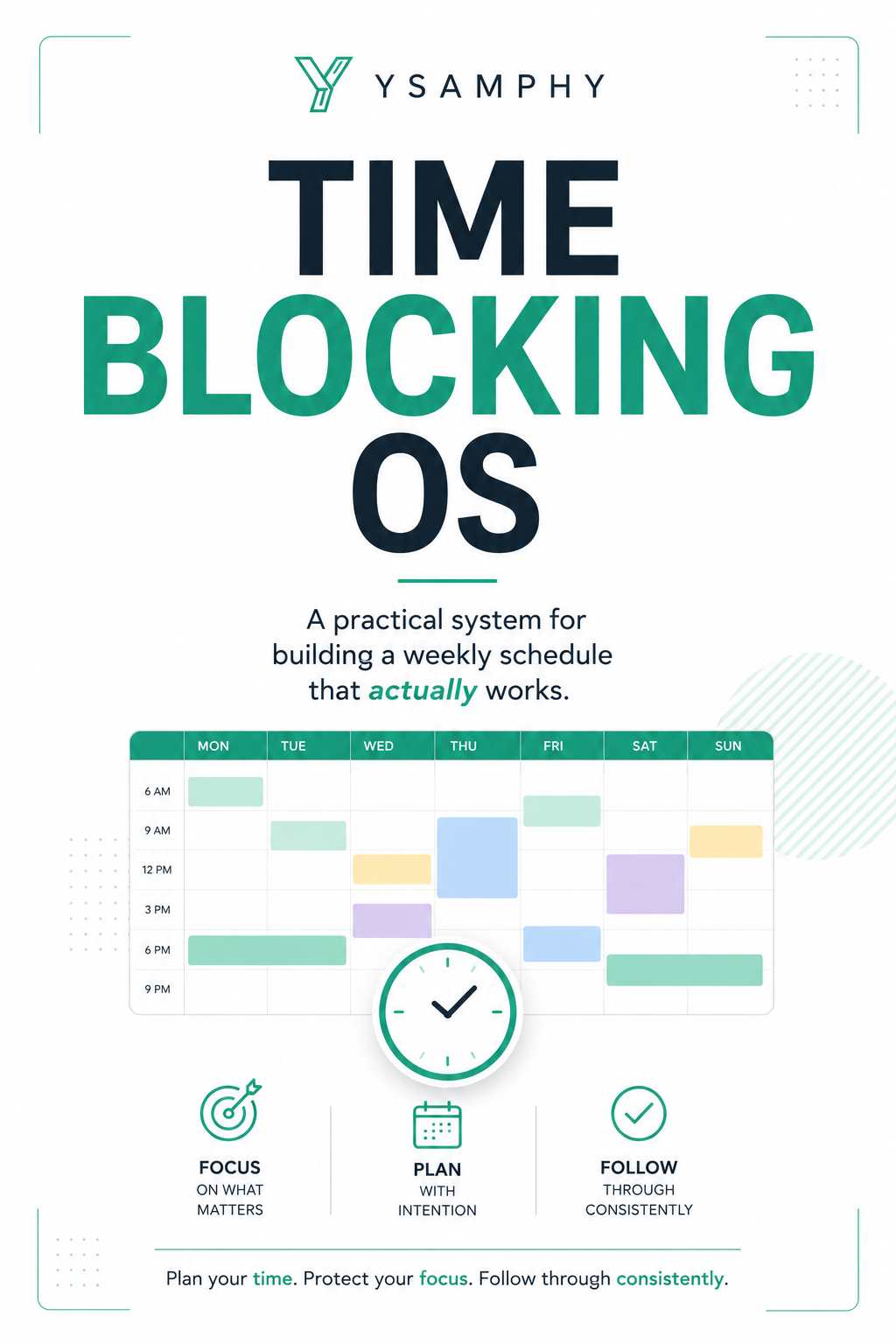
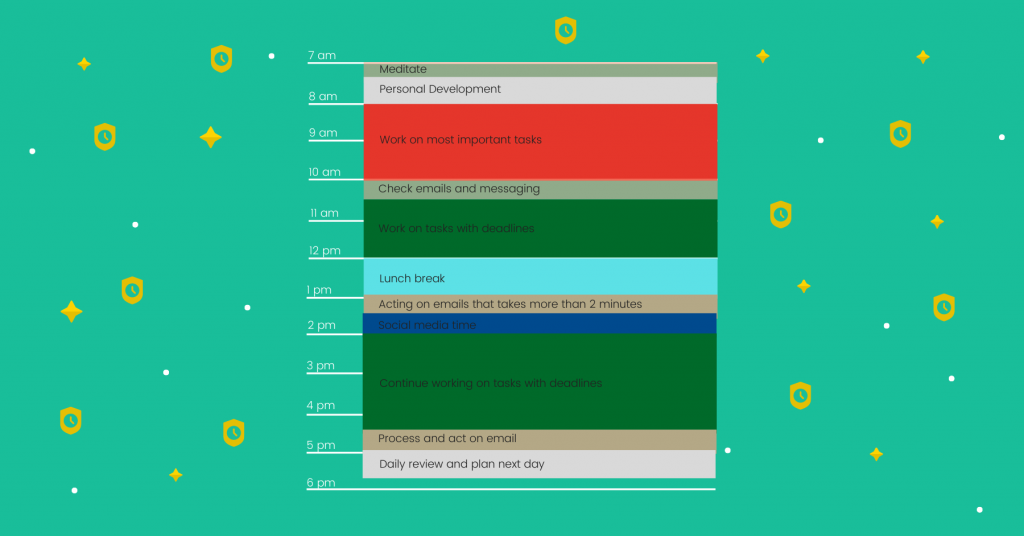
Time blocking is an effective method of productivity. Time blocking is a strategy in which you divide your workday into incremental blocks. For example, you might say from 9 am to 12 pm, you’ll focus on customer communications, and from 1 pm to 4 pm, you’ll focus on bookkeeping tasks. The specific blocking patterns you use will vary, depending on your career and the specific work tasks.
Productivity plays a significant role in career success. Whether you’re starting a new career or planning a career change, evaluating and updating your productivity goals can be a great strategy. Productivity is an ongoing process, and one that there isn’t a final destination to achieve. Instead, continue to work on your productivity to experience career success.