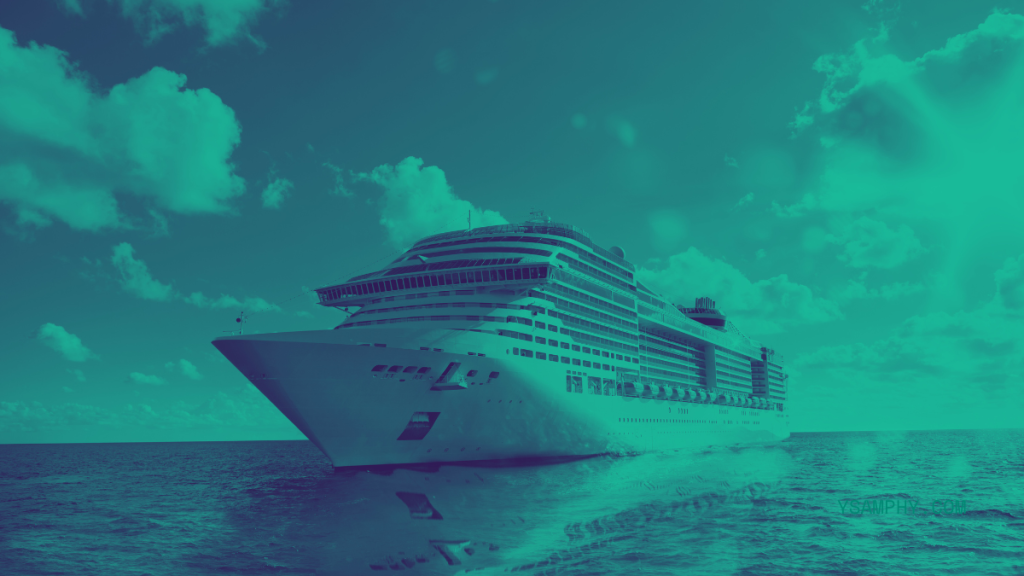
The maritime industry has long been known for its complex logistics, diverse workforce, and challenging operational environment. Crew management, a vital component of running a smooth and efficient operation at sea, has traditionally involved a significant amount of manual processes, paperwork, and coordination. However, digital solutions are steadily transforming this area, making it easier for companies to manage their teams on board and improve overall operations. The shift to digital tools in maritime crew management is streamlining administrative tasks, improving communication, and enhancing safety.
Streamlining Recruitment and Onboarding
One of the most significant benefits of digital solutions is the ability to streamline recruitment and onboarding. Traditionally, the hiring process in the maritime industry involved multiple stages, including interviews, assessments, and complex paperwork. Managing these tasks manually was time-consuming and prone to errors, particularly for global operations with crews from various countries.
With the introduction of digital tools, maritime companies can now conduct the entire recruitment process online. Automated systems allow companies to track candidate qualifications, certifications, and work history, making it easier to match the right person to the right role. Online assessments and virtual interviews save both time and money, while digital onboarding platforms ensure that new crew members have all the necessary documentation and training materials before stepping on board.
Enhancing Crew Scheduling and Rotations
Managing crew schedules, rotations, and shifts is one of the most challenging aspects of maritime crew management. The complexity increases when accounting for factors like rest periods, seasonal demand, and compliance with international maritime regulations. Without the right tools, creating accurate schedules is time-consuming and prone to mistakes.
Digital crew management systems have revolutionized this aspect by offering automated scheduling and real-time adjustments. These systems allow managers to input parameters such as rest periods, qualifications, and specific vessel requirements. The software then generates optimized schedules and rotation plans, reducing the risk of errors and ensuring compliance with labor laws. Crew members can easily view their schedules, request time off, and track their shifts through user-friendly mobile apps, improving overall satisfaction and productivity.
Communication Between Onshore and Onboard Teams
Communication between onshore teams and crews on board has historically been one of the most significant challenges in maritime operations. Remote locations, limited bandwidth, and the need to stay connected despite vast distances have made it difficult to ensure smooth, real-time communication.
With the advent of digital solutions, communication has become faster and more reliable. Integrated systems allow for seamless messaging between ship and shore, helping crews stay informed of any changes or updates. These tools also facilitate better collaboration and decision-making between onshore managers and the crew at sea. With instant access to weather forecasts, route changes, and emergency protocols, maritime companies can ensure that their teams are always prepared for the unexpected.
Managing Compliance and Safety Regulations
Maritime safety is a top priority, and it’s critical that companies comply with various international regulations to ensure the safety of their crew and vessels. Maintaining up-to-date records and staying compliant with safety protocols can be a complex task, especially for large fleets. Manual tracking of safety drills, maintenance logs, and crew certifications can lead to inefficiencies and increase the risk of oversight.
Digital solutions simplify the management of compliance and safety regulations. Many crew management systems now include built-in features for tracking certifications, ensuring that all crew members meet necessary qualifications. Additionally, automated reminders for scheduled safety drills, maintenance tasks, and inspections reduce the chance of missing important activities. By digitizing these processes, maritime companies can maintain a high standard of safety while also saving valuable time and resources.
Optimizing Crew Performance and Wellbeing
Crew wellbeing is a critical aspect of maritime operations, as long hours and extended periods at sea can lead to physical and mental health challenges. Ensuring that crew members remain healthy, motivated, and capable of performing their duties is essential for overall operational success.
Digital solutions can help monitor crew wellbeing through health tracking tools and performance metrics. Systems can track factors like work hours, rest periods, and physical health, providing valuable insights into individual crew member needs. By proactively addressing potential issues, managers can create a healthier, more balanced work environment. Additionally, digital platforms that offer social interaction opportunities and stress-relief resources contribute to improved mental wellbeing, helping to prevent burnout and fatigue.
Leveraging Crew Management Systems for Efficiency
How can maritime companies enhance their workforce management and streamline operations? Adopting the latest crew management system can significantly enhance a company’s ability to manage and optimize its workforce. These systems provide a centralized platform for tracking all aspects of crew management, from recruitment to performance evaluations. By integrating various functions, such as payroll, scheduling, and training, maritime companies can increase operational efficiency and reduce administrative burdens.
Using advanced technology, crew members can also have a more personalized experience, accessing everything from digital training materials to real-time performance feedback. The benefits are clear: with better data and automation, companies can reduce costs, improve safety, and increase crew satisfaction, ultimately leading to better overall performance.
Integrating Artificial Intelligence and Machine Learning
As the maritime industry embraces more digital tools, the integration of artificial intelligence (AI) and machine learning (ML) is becoming increasingly important. These technologies can analyze vast amounts of data to identify patterns and make predictions, which can help in optimizing crew management.
AI and ML can be used to predict crew turnover, optimize scheduling based on crew preferences and vessel requirements, and even forecast potential safety risks based on past incidents. By leveraging these technologies, maritime companies can make data-driven decisions that improve the overall efficiency of crew management. This will enable businesses to anticipate issues before they arise and implement proactive measures to maintain smooth operations.
Adopting Cloud-Based Solutions
Cloud-based crew management systems are becoming the go-to solution for many maritime companies due to their scalability, flexibility, and cost-effectiveness. Unlike traditional systems that require extensive on-site infrastructure and maintenance, cloud-based platforms offer easy access to data from anywhere in the world, as long as there’s an internet connection.
These platforms also enable seamless collaboration between teams onshore and aboard the vessel. Managers can access up-to-date information in real-time, while crew members can review their schedules, training modules, and compliance records from mobile devices. Cloud-based systems are particularly useful for companies with a global presence, as they can easily scale to accommodate different teams, locations, and time zones.
The Future of Maritime Crew Management
The future of maritime crew management is undoubtedly digital. As technology continues to evolve, more sophisticated tools will emerge to further streamline operations and improve crew management. From advanced AI-powered systems to blockchain technology for secure records and transactions, the possibilities for the future are endless.
The maritime industry is on the cusp of a technological revolution that will change how crews are managed, trained, and supported. As digital solutions continue to improve, maritime companies will be able to stay competitive, reduce costs, enhance safety, and improve the overall experience for both crew members and management.
The integration of digital solutions into maritime crew management is not just a passing trend but a necessary shift that will shape the future of the industry. Companies that embrace these technologies now will be better positioned to adapt to the changing landscape and capitalize on the benefits of increased efficiency, safety, and crew satisfaction.