Scaling your business is an exciting yet challenging phase in entrepreneurship. It’s the moment when you move beyond just surviving in the market to thriving and growing in a sustainable way. But how do you scale efficiently without sacrificing quality, customer satisfaction, or profitability? That’s where strategy comes into play. This article will walk you through key strategies to help scale your business while keeping efficiency and sustainability at the forefront.
Let’s dive into what it means to scale a business and how you can do it correctly.
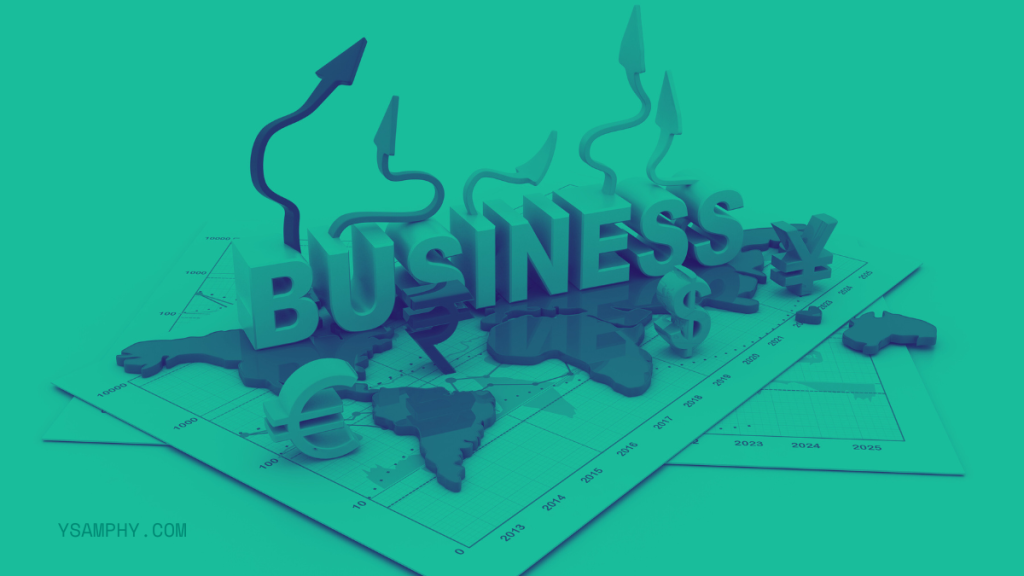
What Does Scaling a Business Mean?
Scaling a business goes beyond just getting bigger; it’s about growing efficiently and sustainably. It involves boosting revenue without a significant increase in costs. For example, instead of hiring 10 employees to serve 100 new clients, you might use technology like Phonsee for iPhone or streamline operations to manage those clients with your current resources.
While growth typically means adding more resources, scaling ensures your processes, resources, and infrastructure can support expansion without straining the system. Many businesses struggle because they expand too quickly without the necessary systems to manage that growth.
Assessing Readiness for Scaling
Before you scale, it’s essential to take a step back and evaluate if your business is ready for expansion. Scaling too soon can lead to cash flow problems, operational bottlenecks, and even loss of customers. Here’s how to assess your readiness:
- Financial Stability: Can your current financial structure support growth? Do you have enough cash flow to manage increased demand?
- Operational Capacity: Are your operations efficient, or are they already stretched thin? You don’t want your systems to crumble under the pressure of growth.
- Leadership and Team: Do you have the leadership in place to guide your business through a scaling phase? Is your team capable of taking on more responsibility?
Building a Scalable Business Model
Your business model is the cornerstone of your scaling strategy. If it’s not designed for growth, scaling becomes a significant challenge. A scalable model should emphasize efficiency and adaptability, enabling revenue growth with minimal increases in expenses. Take companies like Uber and Airbnb as examples—their models allow for global expansion without substantial overhead. By leveraging technology and user-generated content, they can scale rapidly without needing large amounts of capital.
Building a Strong Infrastructure
To scale efficiently, you need the proper infrastructure in place. This includes everything from operational processes to technology. Automating repetitive tasks is one of the easiest ways to ensure your business can grow without overwhelming your team. Tools like customer relationship management (CRM) systems, cloud storage, and project management software can streamline operations, saving time and money.
Practical Financial Management for Scaling
Scaling demands investment, but it’s crucial to maintain financial discipline. Managing cash flow is critical, as scaling typically involves upfront expenses like new technology, marketing efforts, or additional staff. Overextending financially can put your business at risk.
One option is to explore external funding through venture capital, loans, or angel investors. However, be mindful of diluting ownership or accumulating more debt than you can manage. A well-defined financial strategy will guide you through these critical decisions.
Hiring the Right Talent
Scaling your team is as vital as scaling your product or services. However, hiring too quickly can result in bloated payrolls and inefficiency. Instead, focus on recruiting the right talent that can grow with your business. Look for individuals who are adaptable, innovative, and willing to take on new challenges as the company scales.
In some cases, outsourcing specific roles, such as customer support or digital marketing, can be a more scalable solution than hiring in-house. This allows you to expand your capabilities without taking on the long-term commitment of permanent staff.
Preserving Customer Experience During Scaling
A significant challenge businesses encounter when scaling is keeping the quality of their customer experience intact. As your customer base expands, it may be tempting to cut corners for efficiency and cost savings. However, sacrificing customer service can erode trust and loyalty.
Take Zappos as an example—they scaled significantly while always prioritizing customer service. By investing in personalized, high-quality experiences, they maintained what made them successful, even as they grew. This shows how scaling can be achieved without losing focus on the core values that drive success.
Harnessing Technology and Innovation for Scaling
Technology is a powerful asset for scaling a business. From using AI to automate customer service to implementing cloud-based solutions for greater operational flexibility, tech enables more efficient growth.
Investing in the right tools and software can significantly reduce costs, boost productivity, and improve customer experience. For example, a cloud-based accounting system allows you to manage finances seamlessly across multiple locations or even globally.
Marketing for Long-Term Growth
Expanding your marketing efforts is essential for reaching a broader audience, but investing in marketing without a solid plan can lead to wasted resources. Prioritize data-driven strategies that allow you to scale effectively without overspending.
Equally important is creating a scalable brand identity. As you enter new markets or regions, maintaining consistency in your brand will strengthen your reputation and build customer trust.
Monitoring Performance and Adjusting Strategies
Once you start scaling, it’s essential to regularly monitor your progress and make adjustments as needed. Key performance indicators (KPIs) such as customer acquisition costs, churn rates, and profit margins will give you a clear picture of whether your scaling efforts are working.
Creating feedback loops—where you continuously assess and improve your processes—can help ensure that your strategies remain aligned with your business goals.
Conclusion
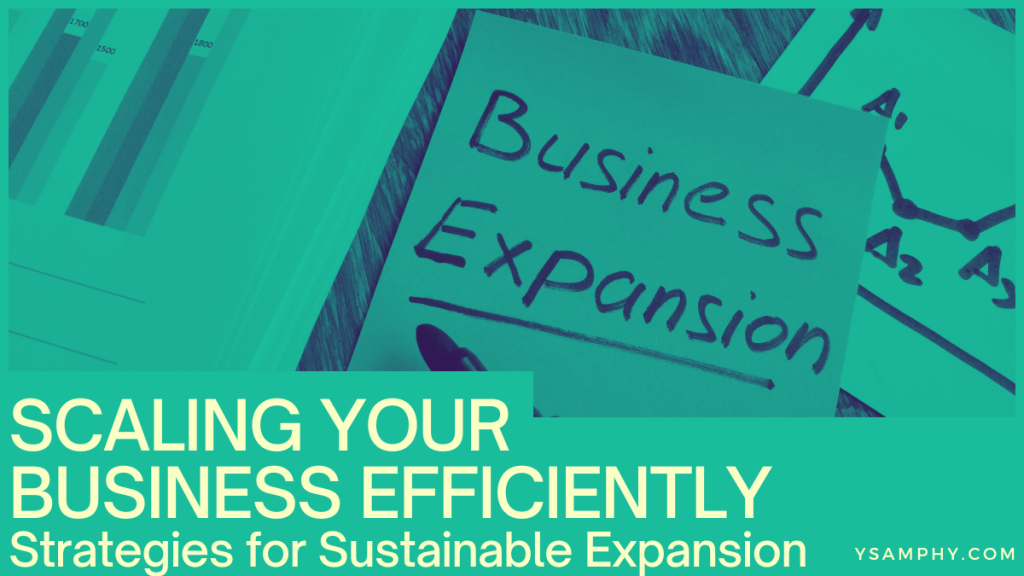
Efficiently scaling your business is about balancing growth, sustainability, and operational capacity. By ensuring your business model, infrastructure, and team can handle expansion, you can avoid the common pitfalls that often hinder growing companies.
Remember, scaling is an ongoing process of improvement and adjustment. Stay focused on your strengths, keep a close watch on your finances, and prioritize the customer experience. With the right approach, sustainable growth is well within reach.
FAQs about How to Scale Your Business Efficiently

What is the difference between scaling and growth?
Growth adds resources proportionally while scaling increases revenue without increasing costs at the same rate.
How do I know if my business is ready to scale?
Assess your financial stability, operational capacity, and leadership before embarking on scaling.
What are the biggest challenges when scaling a business?
Cash flow management, maintaining quality, and retaining customer satisfaction are common challenges.
How do I maintain quality during rapid expansion?
Focus on your core competencies, invest in automation, and ensure a strong customer experience strategy.
What role does technology play in scaling efficiently?
Technology streamlines operations, reduces costs and enables businesses to serve more customers without significantly increasing resources.