Emotional well-being is paramount to sustaining peak performance and creativity. However, emotional blunting—a condition characterized by reduced responsiveness to emotions—can profoundly impact professional performance. Individuals experiencing it may find it challenging to connect with colleagues, make effective decisions, and respond adaptively to stressors in the workplace. This blog delves into the causes, ramifications, and strategies to mitigate the effects of blunting emotions, aiming to empower professionals to reclaim their emotional vitality and enhance their productivity.

Image source:https://pixabay.com/photos/typing-computer-man-workspace-work-849806/
From Medication to Mental Health Conditions
Emotional blunting can stem from a variety of sources, with medication and mental health conditions being prominent contributors. Certain psychiatric medications, particularly antidepressants, and antipsychotics, are well-documented for their potential to dull emotional responses. While emotional blunting may be a desired effect in some cases, such as managing severe anxiety or psychosis, it can also have unintended consequences on one’s overall emotional well-being. This is especially true for individuals who rely on their emotions to connect with others and excel in their professional roles.
On the other hand, mental health conditions like depression and post-traumatic stress disorder (PTSD) can also lead to it. These conditions often involve disruptions in brain chemistry and functioning, resulting in a reduced capacity to experience emotions fully. In addition, the stigma surrounding mental health issues may discourage individuals from seeking help and addressing underlying causes of blunting.
Recognizing the Signs
Recognizing the signs is crucial for addressing the issue and seeking appropriate interventions. Common indicators include a pervasive sense of numbness or indifference, diminished enjoyment in once-pleasurable activities, and a noticeable lack of emotional highs and lows. Individuals may also experience challenges in forming or maintaining close relationships due to their diminished ability to empathize and engage emotionally. In the workplace, signs may manifest as reduced enthusiasm for projects, difficulty in making decisions that require emotional insight, and a general sense of disconnection from colleagues and organizational goals. Being attuned to these signs enables individuals to take proactive steps toward regaining their emotional balance and improving their professional performance.
The Professional Repercussions
The professional repercussions can be extensive and far-reaching, impacting various aspects of an individual’s job performance and career trajectory. Reduced emotional responsiveness can hinder effective communication and collaboration, as the ability to read and respond to colleagues’ emotional cues is diminished. This can lead to misunderstandings, strained relationships, and a lack of cohesive teamwork, ultimately affecting team morale and productivity.
Moreover, decision-making processes are often compromised when emotions are blunted. Many professional decisions require a balance of logic and emotional insight to gauge potential outcomes and stakeholder impacts accurately. Without the ability to fully engage with their emotions, individuals may struggle to assess risks and benefits effectively, potentially leading to suboptimal outcomes.
Job satisfaction can also suffer, when individuals are unable to take joy in their accomplishments or feel passionate about their work, motivation can wane. This lack of motivation not only diminishes personal fulfillment but can also lead to decreased productivity and higher absenteeism rates. Additionally, the persistent sense of disconnection may cause individuals to question their career choices or feel compelled to seek new opportunities that might reignite their emotional engagement.

Communication Challenges
Communication is a cornerstone of effective professional collaboration and success. However, emotional blunting can significantly impair one’s communication abilities, creating barriers to expressing ideas and building rapport. Individuals experiencing this may struggle to convey enthusiasm, empathy, or urgency in their interactions, leading to misunderstandings and a lack of emotional connection with colleagues. Additionally, their responses may seem flat or insincere, undermining trust and the ability to inspire or motivate others.
The reduced ability to read and respond to the nonverbal cues of others can further complicate communication. Nonverbal signals such as facial expressions, tone of voice, and body language play a crucial role in conveying emotions and intent. When individuals are less attuned to these cues, they may misinterpret the sentiments and needs of their teammates, resulting in ineffective or inappropriate responses. This can create a cycle of miscommunication that exacerbates workplace tensions and diminishes overall team cohesion.
Addressing these communication challenges requires a conscious effort to develop and practice emotional awareness and empathy. By acknowledging the effects of blunting emotions and implementing strategies to enhance emotional intelligence, professionals can improve their interactions and foster a more supportive and collaborative work environment.

Decision-Making and Problem-Solving
The influence of blunting extends deeply into the realms of decision-making and problem-solving, two critical functions in any professional setting. Emotions play a pivotal role in processing information, assessing risks, and foreseeing the potential outcomes of various actions. When emotions are blunted, the decision-making process can become overly analytical and devoid of the nuanced insights that emotions provide. This lack of emotional input can lead to decisions that are technically sound but lack the necessary empathy and foresight to consider the human element, potentially resulting in solutions that are impractical or insensitive to stakeholders’ needs.
Problem-solving, similarly, benefits from a balanced emotional perspective. Emotions can drive creativity and innovative thinking, allowing individuals to approach challenges from different angles and devise unconventional solutions. Emotional blunting, however, may dampen this creative spark, leading to a more rigid and linear approach to problem-solving. Effective problem-solving often requires resilience and the ability to remain adaptable in the face of setbacks. It can reduce an individual’s capacity to cope with frustration and adapt to changes dynamically, potentially hindering the resolution process.
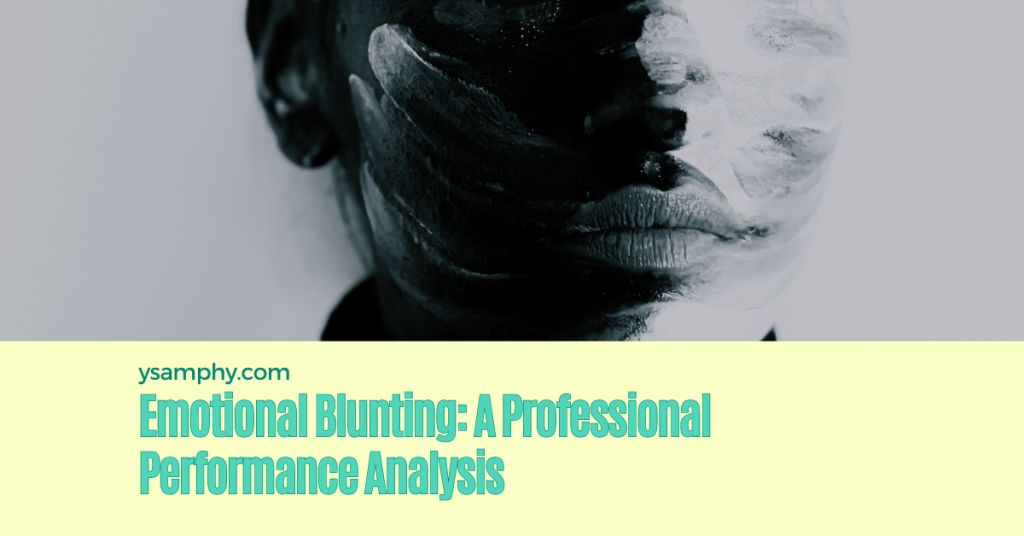
Professionals can mitigate these drawbacks by adopting strategies to improve their emotional engagement and awareness. Techniques such as mindfulness meditation, cognitive-behavioral strategies, and seeking feedback from trusted colleagues can be useful in reconnecting with one’s emotional state and enhancing decision-making and problem-solving capabilities. By cultivating emotional intelligence, individuals can enrich their professional efficacy and navigate complex workplace challenges with greater dexterity and empathy.
Emotional dampening can have a profound impact on professional performance, affecting communication, decision-making, problem-solving, and overall job satisfaction. Understanding the causes and consequences of this condition is crucial for developing effective interventions and strategies to mitigate its effects. By prioritizing emotional well-being and fostering emotional intelligence in the workplace, professionals can improve their productivity and interpersonal relationships, leading to a more fulfilling and successful career.