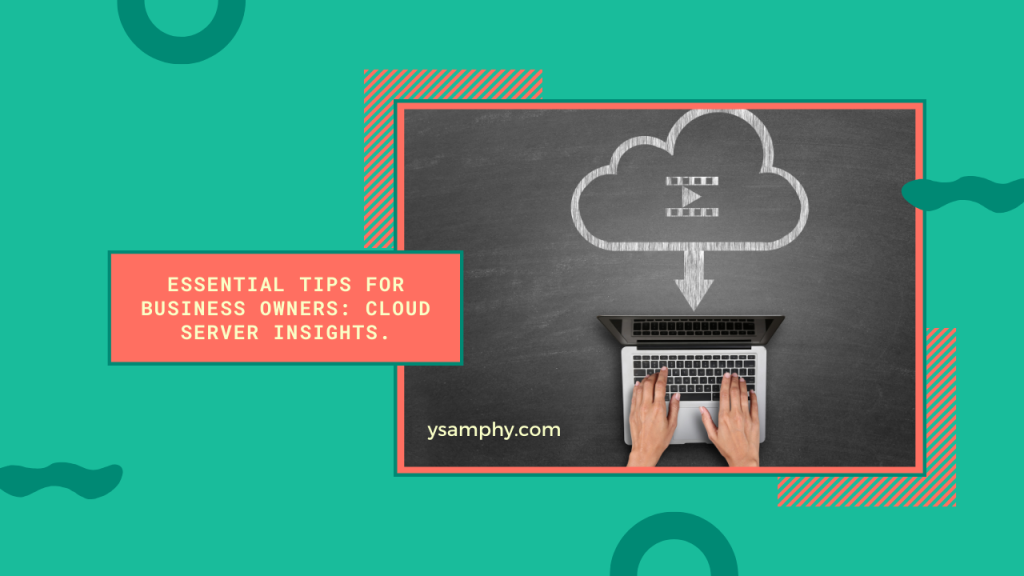
Cloud servers have become an essential component for businesses of all sizes. They offer a range of benefits from cost savings to enhanced scalability, enabling companies to focus on growth and innovation rather than IT infrastructure. Understanding the fundamentals of cloud servers and how they can be leveraged is crucial for any business owner looking to stay competitive in the modern marketplace. This guide aims to demystify cloud servers and provide you with the knowledge you need to make informed decisions about their implementation and management.
Benefits of Cloud Servers
Cloud servers provide numerous advantages that make them attractive for businesses across various industries. One of the primary benefits is cost savings. By leveraging cloud infrastructure, businesses can reduce capital expenditures associated with purchasing and maintaining physical servers. Instead, they can opt for a subscription-based model that allows for better budgeting and financial planning.
Another significant benefit is enhanced scalability. Cloud servers can easily adapt to the changing needs of a business. Whether a company requires more storage during peak seasons or needs to scale down during quieter periods, cloud solutions offer the flexibility to adjust resources without any hassle. This scalability can lead to more efficient operations and ensure that businesses only pay for what they use. Look for articles with titles similar to Cloud Server for Small Business Guide 2024 to learn more about how cloud servers can benefit your specific business needs. It’s also worth noting that cloud servers often come with built-in redundancy, ensuring high availability and minimizing downtime for critical business operations.
Types of Cloud Server Models
There are several cloud server models that businesses can choose from based on their specific needs and goals. The three primary models include public, private, and hybrid clouds. Public clouds are typically managed by third-party providers and offer resources over the internet to multiple clients, making them cost-effective and easy to deploy.
On the other hand, private clouds are dedicated environments tailored to a single organization’s needs. They offer greater control and security, although they may come with higher costs. Hybrid clouds combine elements of both public and private clouds, providing a balanced approach that can be customized to meet specific requirements while optimizing for cost and performance.
Security Considerations
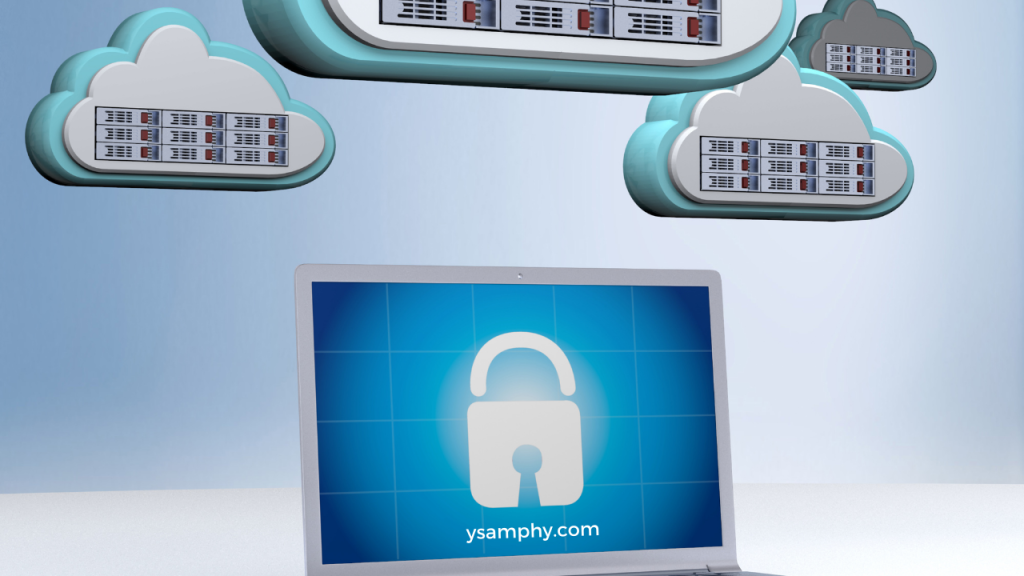
Security is a critical concern when it comes to cloud servers. Businesses must ensure that their data and applications are protected from potential threats and vulnerabilities. Cloud providers often implement robust security measures, including data encryption, firewalls, and regular security audits, to safeguard sensitive information.
It is also essential for businesses to take an active role in security management. This includes setting up strong access controls, educating employees about cybersecurity best practices, and regularly updating software to protect against the latest threats. By partnering with a reputable cloud provider and maintaining a proactive security stance, businesses can minimize risks and ensure their data remains secure.
Implementing Cloud Servers
The implementation of cloud servers requires careful planning and execution. Before making the transition, businesses should conduct a thorough assessment to understand their current IT infrastructure, future needs, and potential areas for improvement. This step helps in identifying the most suitable cloud model and provider.
Once the assessment is complete, the next phase involves migration planning. Businesses must develop a detailed migration strategy that outlines the steps, timelines, and resources required for a smooth transition. It is crucial to minimize downtime and ensure data integrity throughout the migration process. Post-migration, ongoing management, and optimization are essential to ensure the cloud servers continue to meet the business’s evolving needs and drive long-term success.

Choosing the Right Cloud Provider
Selecting the right cloud provider is a pivotal decision that can significantly impact your business operations. It’s essential to evaluate potential providers based on factors such as reliability, performance, and support services. A detailed comparison of service level agreements (SLAs) can offer valuable insights into the uptime guarantees and response times you can expect. Additionally, consider the geographical location of data centers, as this can influence latency and compliance with local regulations.
Customer support is another critical factor to consider. Ensure that the provider offers 24/7 support and has a positive track record for resolving issues swiftly. Look for customer reviews and case studies to get a better understanding of the provider’s strengths and weaknesses. By thoroughly vetting potential providers, businesses can make an informed choice that aligns with their operational goals and technical requirements.
Performance Monitoring and Management
Once your cloud servers are up and running continuous performance monitoring becomes vital. Tools and metrics for monitoring can help you track server load, response times, and overall system health. These insights enable proactive management of resources, ensuring that performance remains optimal and any issues are addressed promptly before they escalate.
Effective management also involves regular reviews and fine-tuning of server configurations. As your business grows and evolves, your cloud environment may need adjustments to maintain efficiency and cost-effectiveness. Implementing automated scaling policies can help dynamically allocate resources based on real-time demand, ensuring that your cloud infrastructure always performs at its best.
Cost Management Strategies
Cloud servers offer the potential for significant cost savings, but without proper management, expenses can quickly spiral out of control. Implementing cost management strategies is crucial for keeping expenditures in check. Start by optimizing resource usage—ensure that you’re not paying for unused or underutilized services. Utilize tools provided by your cloud provider to monitor expenses and identify areas for optimization.
Another effective strategy is to leverage cost-saving options like reserved instances, which offer lower pricing for long-term commitments. Regularly review your cloud spending to identify trends and anomalies, and adjust your usage patterns accordingly. By adopting a proactive approach to cost management, businesses can maximize their return on investment and ensure financial sustainability.
Disaster Recovery and Business Continuity
Planning for disaster recovery and business continuity is a critical aspect of cloud server management. The unpredictable nature of cyber threats, hardware failures, and natural disasters necessitates a robust disaster recovery plan. Cloud providers often offer various tools and services for automated backups and replication, ensuring that your data is safe and can be quickly restored in the event of an incident.
Define clear recovery time objectives (RTO) and recovery point objectives (RPO) to establish acceptable downtime and data loss thresholds. Regularly test your disaster recovery procedures to ensure they are effective and can be executed smoothly under pressure. By having a well-defined plan in place, businesses can mitigate risks, minimize downtime, and maintain operational continuity even in adverse situations.

Cloud servers offer a range of benefits that can significantly enhance business operations and drive growth. By understanding the fundamentals of cloud infrastructure, choosing the right provider, and implementing effective management strategies, businesses can leverage this technology to stay competitive in today’s fast-paced business landscape. Continuously evaluate and optimize your cloud environment to ensure it remains aligned with your evolving needs and goals for long-term success.